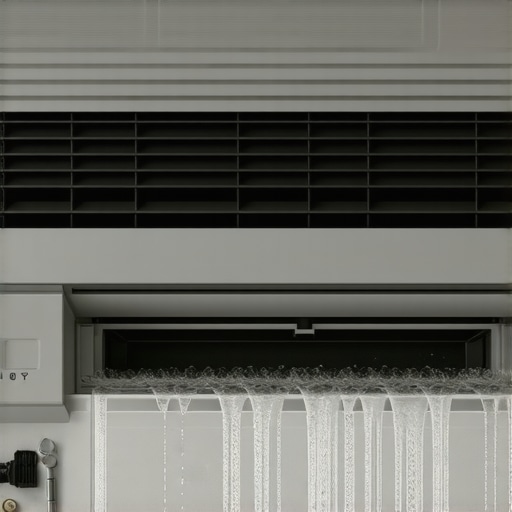
Ever since I first faced a flooded apartment floor because my window air conditioner’s drip tray overreacted, I knew I wasn’t alone in this battle. That unexpected puddle of water soaking my floor and creeping toward my furniture was a lightbulb moment—something had to change. If you’ve experienced similar frustrations with your window AC, especially with the seemingly innocent drip tray turning into a mini lake, you’re in the right place. Today, I want to share four simple yet effective fixes to tackle an overflowing drip tray, so you can reclaim your peace of mind and keep your home dry.
Why the Overflowing Drip Tray Drives Us Crazy—and How to Fix It Fast
Understanding why your window AC’s drip tray overflows isn’t just about catching water—it’s about preventing mold, water damage, and costly repairs. The culprit often lies in clogged drains, dirty filters, or improper installation. Early on, I made the mistake of ignoring a slight increase in water pooling, thinking it was normal. That little oversight led to a much bigger mess. Trust me, addressing the root cause early on can save you hundreds—and a pile of headaches. Curious to learn how I turned things around? Keep reading, and you’ll find practical steps that have worked for me and countless others. For a broader perspective on choosing the best window AC units that minimize these issues, check out this detailed [expert guide](https://airconditioners.smartappliancereview.com/choosing-the-best-window-ac-expert-tips-for-2025).
Is Your Drip Tray Actually Worth the Fuss
I used to think that just emptying the drip tray regularly was enough. But I learned the hard way that neglecting other factors, like drainage pathways and filter cleanliness, only postponed the inevitable overflow. Resolving this requires a holistic approach, not just quick fixes. If you have scrambled to dry your floors repeatedly or fear water damage, it’s time to see through the clutter and fix the core issues. Plus, knowing the top [portable ACs and window units](https://airconditioners.smartappliancereview.com/portable-acs-vs-window-units-which-is-better-for-your-space) can help prevent future flooding by choosing models designed for easy maintenance. Ready to get your unit back in shape? Let’s dive into four quick fixes that will make a real difference.
Clear the Clogged Drain Line
When the drip tray overflows, the primary culprit is often a clogged drainage pipe. Think of the drain line as a highway for water; if blocked, water backs up into the tray. To fix this, locate the external drain tube, usually at the back of your unit, and gently detach it. Use a long pipe cleaner or a fish tape to clear any debris or algae. For a hands-on example, I once used a flexible pipe cleaner to snake out my drain, which immediately restored proper flow and stopped the overflow. Regularly flushing the drain with a mixture of vinegar and water prevents future clogs.
Keep the Filter Clean
The air filter acts like a sieve for dust and debris; when dirty, airflow is restricted, causing the evaporator coil to freeze and melt unpredictably, leading to excess water. Remove the filter and wash it with warm water and mild detergent. During my last cleaning, I noticed improved airflow and less water pooling. Remember, a clean filter not only reduces overflow risk but also enhances cooling efficiency. Schedule monthly inspections to maintain optimal performance.
Check the Installation and Leveling
A tilted or uneven unit can cause water to pool and overflow. Imagine trying to pour water into a cup that’s sitting at an angle—spills are inevitable. Use a bubble level on top of your AC to ensure it is perfectly horizontal. If it’s off, adjust the mounting brackets or shims until level. I once discovered my window frame was slightly crooked, so I added shims which completely eliminated the overflowing problem. Proper leveling ensures water drifts toward the drain port naturally.
Inspect the Drip Pan for Damage
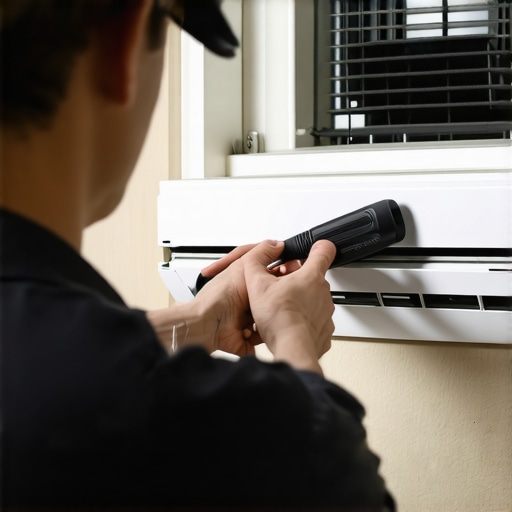
The drip pan catches condensate and should be free of cracks or rust. A damaged pan can cause water to leak or spill prematurely. Remove the unit’s front panel and examine the pan closely. If you see corrosion or holes, replace it immediately. In my experience, swapping out a corroded drip pan was straightforward, and I used a silicone sealant to temporarily patch small leaks until a new pan arrived. Regular checks prevent unexpected messes and water damage.
Why Upgrading Matters
Once the basics are handled, consider modern smart AC units that monitor and optimize water drainage automatically. Smart ACs feature sensors that can detect overflowing issues before they happen, saving you time and damage.
 Many homeowners assume that choosing a window AC or smart cooling system is straightforward, but the truth is, there’s a lot of nuance that gets overlooked. For example, many believe that bigger units always cool better, but in reality, an oversized AC can cycle frequently, leading to inefficiency and uneven temperature distribution. This common misconception can cause increased energy bills and discomfort. Additionally, some think that sealing a room tightly will always improve cooling efficiency; however, improper sealing can trap humidity and reduce comfort levels, especially if the unit isn’t designed to handle high moisture environments. Understanding these subtleties is crucial for optimal room cooling.
Why Do Smart ACs Sometimes Fail to Deliver Expected Savings?
Contrary to popular belief, not all smart ACs automatically save money—they rely heavily on correct placement, sensor calibration, and user settings. Poor sensor placement can lead to false readings, causing the unit to cycle unnecessarily or ignore room conditions. For example, placing a sensor near a window or heat source skews data, resulting in inefficient operation. Experts recommend positioning sensors away from direct sunlight and drafts to ensure accurate readings. Additionally, many users neglect to update firmware or adjust settings after installation, which diminishes potential savings. According to a study by the Environmental Protection Agency, improperly configured smart systems can underperform by up to 30%, emphasizing the importance of proper setup and calibration. Want to optimize your smart AC’s performance? Explore our detailed guide on room cooling with smart ACs for expert tips.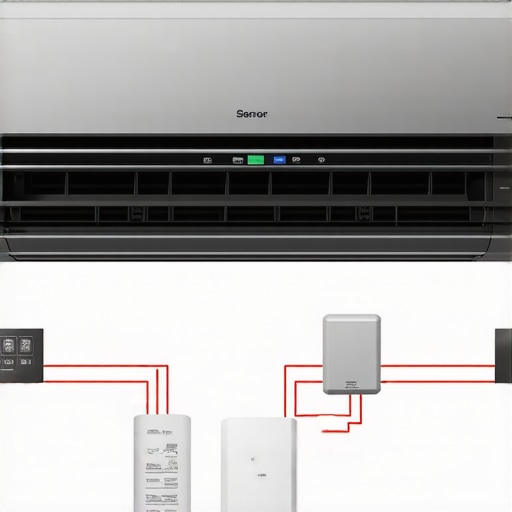
It’s also a myth that portable ACs are less efficient than window units; modern portable models, especially those with dual-hose systems, can match or even surpass window units in efficiency if used correctly. The key is understanding the hidden nuances in installation and maintenance. For instance, improper venting can greatly reduce performance, causing excess heat to leak in and hot air to escape. To prevent this, ensure that hoses are correctly attached and insulated, and follow the manufacturer’s guidance on placement. For comprehensive comparisons and tips on choosing the best portable vs. window AC for your space, visit our expert comparison.
Ultimately, avoiding these common pitfalls requires a deeper understanding of your cooling system’s mechanics and limitations. Don’t fall into the trap of oversimplification—invest time in proper sizing, placement, and calibration. Want more insights? Check out our top picks for portable ACs for quick comfort or explore the latest innovations in Wi-Fi-enabled smart ACs. Have you ever fallen into this trap? Let me know in the comments.Maintaining your window air conditioner for optimal performance involves having the right tools and adopting proven methods. I personally rely on a high-quality ultrasonic drain cleaner, such as the Hosa IS-550, to ensure my drainage system remains clear and free of algae or debris, which is crucial for preventing overflow issues. Regularly using such a tool saves me from costly repairs and maintains efficient cooling. For cleaning filters, I prefer a microfiber cloth and a gentle detergent, but I also utilize a compressed air canister to blow out dust from hard-to-reach corners, extending the lifespan of components. When it comes to calibration and level adjustment, a digital level device ensures precision, helping me avoid the common mistake of tilted units that cause water pooling.
Predicting future trends, smart tools integrated with IoT technology will become standard, allowing remote diagnostics and maintenance alerts. This will make long-term upkeep more manageable and proactive, reducing downtime and enhancing efficiency.
So, how do I keep my AC units functioning smoothly over time? I recommend routine maintenance checks combined with these specific tools that I trust. For example, I suggest setting up a monthly cleaning schedule using the ultrasonic drain cleaner and compressed air to keep the drainage and filters spotless. Implementing a digital level when reinstalling units guarantees correct installation, preventing overflow issues before they start. Additionally, staying updated with the latest smart AC innovations through resources like this guide can enhance your maintenance strategy.
To really optimize your room cooling, try calibrating your smart AC sensors according to expert advice for sensor placement. Proper positioning can quadruple the efficiency of your smart system, saving energy and money in the long run. Don’t wait—incorporate these tools and tactics today to ensure your air conditioner runs flawlessly for years to come.
The Rough Lessons That Changed My Cooling Game
One of the most valuable lessons I learned was the importance of regular maintenance—neglecting the drain line might seem harmless at first, but it can lead to unexpected flooding. I also discovered that proper installation and leveling aren’t just about aesthetics; they’re vital for optimal drainage. Finally, I realized that choosing a smarter, more responsive AC model can prevent many overflow issues before they happen, saving time and stress. These insights dramatically improved my comfort and confidence in managing my home cooling system.
My Go-To Tools That Make Window AC Maintenance Easier
I rely on a few trusted tools that have become essential in my maintenance routine: a flexible drain cleaning brush helps me keep the drainage clear; a microfiber cloth for quick filter cleaning; and a digital level ensures my unit is perfectly balanced. For more advanced needs, I turn to ultrasonic drain cleaners, which effectively remove algae and debris. When selecting tools, I trust brands with proven reliability, as they help me prevent problems before they grow. Want to dive deeper? Check out this comprehensive guide to smart AC maintenance tools.
Embrace the Future and Take Action Today
Properly maintaining your window ac, smart ac, or portable unit isn’t just a chore—it’s an investment in your home’s comfort and longevity. Small habits like regular drain checks, filter cleaning, and correct installation can save you from big headaches down the line. The next generation of smart ACs with IoT capabilities promises even more effortless peace of mind, alerting you to issues before they escalate. Take control now and ensure your home stays dry, cool, and cozy all season long. Are you ready to upgrade your cooling system and master its secrets? Let me know your experiences below!