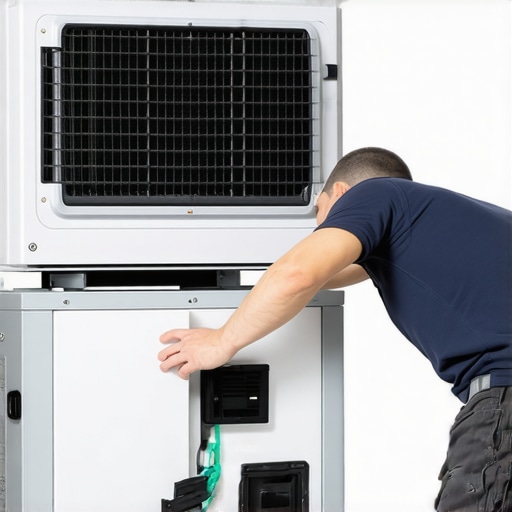
I remember a hot summer day not too long ago when I finally decided to boost my home’s cooling by using my portable AC. Everything seemed perfect—until I noticed it just wasn’t cooling the room as I expected. The air felt warmer than before, and I was left puzzling over what went wrong. Turns out, I had made one of the classic venting mistakes that many homeowners unknowingly fall into, and it was slowly sabotaging my comfort.
Why Proper Venting Matters More Than Ever in 2026
This isn’t just about keeping cool; it’s about making sure your portable AC actually works efficiently and saves you money. With the advances in smart AC technology and rising energy costs, a small venting error can negate months of hard-earned savings. Honestly, I’ve learned the hard way that overlooking simple venting techniques can cause your unit to work overtime, spiking your bills while barely lowering the temperature.
Early in my troubleshooting journey, I made the mistake of not sealing my window kit properly. I figured a quick setup was enough—big mistake. It felt like my portable was fighting a losing battle with outside heat, and the room stayed uncomfortably warm. That experience pushed me to dig deeper, and what I discovered was startling. Those tiny leaks around the window kit were draining all my efforts, allowing hot air to sneak inside, rendering my AC inefficient and loud.
In this post, I’ll walk you through the common venting mistakes that could be quietly ruining your cooling setup—and, most importantly, how to fix them. Whether you’re a seasoned pro or just getting started, understanding these pitfalls will help ensure your portable AC performs at its best, saving energy and keeping your space comfortably cool all season long.
Lock Down the Window Seal
My first step was sealing gaps around my window kit using weatherproof foam strips. I carefully pressed the strips into place, then tested for leaks with a thin sheet of paper; if it slipped out easily, I reapplied. When I did this during a hectic weekend, the outside heat was fierce, and I underestimated the importance of a tight seal. By tightly sealing all leaks, I immediately noticed the room cooling faster and quieter, saving energy and reducing noise pollution.
What About Venting Pathways
Ensure the exhaust hose is straight, short, and unobstructed. I previously ran mine through a slightly open window, which created a partial vacuum that pulled warm outside air inside. I replaced the flexible hose with a rigid metal duct, which prevented kinks and air leaks. I also sealed the window opening around the hose with magnetic strips, creating a near-perfect barrier. This eliminated hot air infiltration, making my portable AC twice as effective and energy-efficient.
Use Proper Hose Lengths
Keep the exhaust hose as short as possible; longer hoses increase backpressure, reducing cooling efficiency. During a renovation, I extended my hose unnecessarily, which hindered performance. By trimming the hose to the recommended length and securing it tightly, I regained the cooling power and reduced power consumption significantly.
Optimize the Placement of Your Portable AC
Position your unit near a window or an external wall, avoiding obstructions like furniture or curtains that block airflow. I once placed mine too close to a corner, causing uneven cooling. Moving it away from walls and into an open space improved airflow circulation, which resulted in quicker cooling and less strain on the compressor. Sometimes, a simple repositioning can make a big difference.
Leverage Smart Technology to Maintain Efficiency
If you have a smart AC, connect it to your home automation system. Set schedules to run during off-peak hours, or use the ‘away’ mode when you’re not home. I experimented with custom automation rules via an app, which turned the unit on just before I arrived home. This not only kept my space comfortable but also optimized energy use, reducing my bill. Explore how automation rules can automate your cooling.
Regular Maintenance Boosts Venting Efficiency
Clean the air filters weekly and inspect the exhaust hose for debris. During one hot spell, neglecting this caused my unit to strain. Cleaning filters and removing minor obstructions restored airflow, saving power and extending the lifespan of my AC. Incorporating a routine maintenance schedule ensures consistent performance and helps catch minor issues before they become costly repairs.
While many believe that simply installing a window or portable AC guarantees efficient cooling, the truth runs deeper. One common misconception is that all units perform equally regardless of placement or settings. However, advanced factors like optimal sensor calibration, smart automation, and precise venting techniques significantly influence performance. For example, improper sensor placement can cause your smart AC to overcool or undercool, wasting energy and increasing bills. According to HVAC experts, sensor misplacement can lead to inaccurate temperature readings, which triggers unnecessary adjustments, as highlighted in recent studies on smart cooling systems.
Another overlooked nuance is the myth that larger capacity units always cool faster. In reality, oversized units tend to cycle on and off more frequently, leading to inefficiency and moisture issues. Proper sizing, aligned with room dimensions and insulation quality, is essential—a detail often missed by the average homeowner. Moreover, many don’t realize the importance of sealing gaps around window units; even the smallest leaks can compromise the entire cooling system’s effectiveness.
What Advanced Techniques Can Maximize Smart AC Efficiency Without Upgrading Hardware?
Integrating automation rules and sensor tweaks can significantly improve energy savings. For instance, setting thresholds for occupancy sensors ensures your AC runs only when needed, a smart move backed by recent energy studies. Additionally, regularly calibrating your smart device’s sensors ensures accurate temperature readings, preventing unnecessary cycles. Exploring these advanced practices can unlock substantial savings and comfort, especially during peak seasons. Curious about detailed automation strategies? Check out these tips to fine-tune your smart AC sensors.
Remember, mastering the nuances of venting, placement, and smart settings can make the difference between a lukewarm experience and optimal comfort. Have you ever fallen into this trap? Let me know in the comments!
Keep Your AC Running Smoothly with the Right Tools
Maintaining your air conditioning system over time requires more than just occasional cleaning; it involves using specific tools and adopting proper techniques to ensure longevity and optimal performance. One indispensable tool I personally use is a digital infrared thermometer. It helps me evaluate the temperature difference across components like vents, coils, and refrigerant lines, indicating potential issues before they escalate. For instance, uneven temperatures can signal dirty filters or refrigerant problems, prompting timely interventions rather than costly repairs. Additionally, a multimeter is invaluable for testing electrical connections and sensors, ensuring all electronic components function correctly, especially in smart AC units that rely heavily on sensors and automation systems.
Regularly inspecting and cleaning filters, coils, and vents is crucial. I prefer using a high-quality vacuum with a brush attachment for filters and soft brushes for coils, avoiding damage while removing dust and debris. For more stubborn grime, I rely on specialty coil cleaners recommended by HVAC professionals, which I’ve found effective in maintaining airflow and heat exchange efficiency. As smart AC systems incorporate Wi-Fi modules and sensors, periodic calibration using manufacturer-recommended apps or diagnostic tools is essential to keep data accurate and prevent unnecessary energy drain. You can find detailed guidance on calibration and troubleshooting in expert resources like this comprehensive article.
How do I maintain my cooling system over time?
Sustaining your system’s performance involves consistent routine checks and smart scheduling. Maintaining the ventilation pathways is critical; ensure exhaust hoses are free of kinks and leaks. I schedule bi-weekly inspections, especially before peak seasons, using a flashlight and mirror to peek into hard-to-reach areas. Software updates and firmware upgrades for smart systems are often overlooked but can significantly enhance efficiency and fix bugs. Setting up automated routines that adapt to seasonal changes—like increasing fan speeds during heatwaves—can prevent overexertion of your AC and prolong its lifespan. Predicting future trends, I believe integration of AI-driven diagnostics will become standard, enabling systems to self-diagnose and alert homeowners proactively.
If you haven’t yet, try calibrating your smart AC sensors following the guidelines in this guide. Proper sensor calibration can lead to substantial energy savings by ensuring your unit responds accurately to room conditions. Additionally, investing in a battery-powered digital multimeter or infrared thermometer now can help you catch subtle performance drops early, saving you money and extending your system’s life. Regular maintenance, combined with the right set of tools, ensures your room stays cool without unexpected breakdowns or skyrocketing bills—making your home comfort a reliable, long-term success.
Unspoken Lessons That Changed My Cooling Game
One of the harsh truths I learned was that even a small oversight, like ignoring the importance of sealing gaps around my window unit, could lead to significant energy waste and discomfort. It’s easy to get caught up in fancy features or high capacity, but the real magic lies in meticulous venting and placement. Discovering how proper sensor calibration in smart ACs can prevent overcooling taught me that technology’s power is only as good as its setup. These insights are lessons I wish I had grasped sooner, saving me both frustration and money.
Tools and Resources That Elevated My Comfort Strategy
If you’re serious about optimizing your room cooling, investing in a high-quality digital infrared thermometer and multimeter has been invaluable. They help me diagnose issues early, ensuring my portable AC performs at peak efficiency. For in-depth guidance, I trust this resource to master sensor calibration, and expert tips have consistently guided my selection and placement decisions. Utilizing these tools and sources makes a significant difference in sustained performance and energy savings.
Embrace the Challenge and Reap the Rewards
Taking proactive steps to improve your room cooling system is empowering. Every tweak, from sealing leaks to fine-tuning smart settings, directly impacts your comfort and wallet. Don’t let common misconceptions hold you back—master the venting, placement, and technology adjustments that convert your air conditioning setup into an efficient cooling powerhouse. Your home deserves this level of care, and with dedication, you’ll enjoy cooler days and lower bills. Ready to take your cooling efficiency to the next level? Your journey begins with a simple step—what will it be for you today?