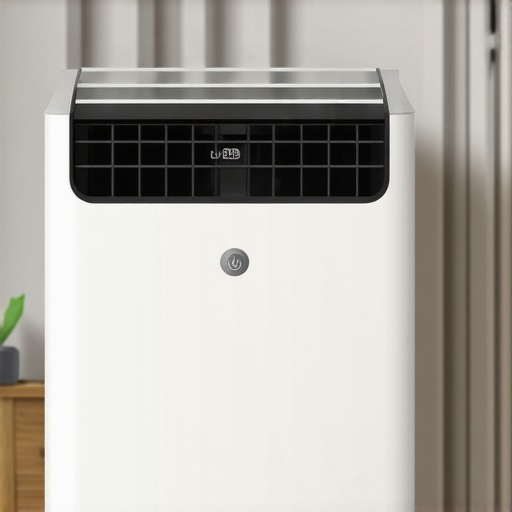
There was a night last summer when I woke up drenched in sweat, despite my portable AC running at full blast. I had thought I nailed the perfect setup—yet, somehow, heat was sneaking into my cooled-down sanctuary. That lightbulb moment made me realize: even the best portable air conditioners can be undermined by simple heat leaks. If you’ve been battling the same frustrating cycle of cool mornings turning into sweltering afternoons, you’re not alone. But here’s the good news: today’s guide will show you **five effective ways to stop those pesky heat leaks**, transforming your space into a true oasis.
Why Heat Leaks Sabotage Your Cooling Efforts
Have you ever noticed how your room feels warmer during the day, even with your AC on? That’s often because heat leaks are secretly undoing your cooling efforts. When warm air seeps in through gaps around windows, doors, or your portable AC’s venting system, your unit has to work overtime, wasting energy and driving up bills. Moreover, heat leaks not only make your room uncomfortable but can also shorten the lifespan of your AC by overworking its compressor.
Understanding these sneaky leaks is crucial, especially with the rising temperatures forecasted for 2026. According to recent projections, global heatwaves are expected to intensify, making efficient cooling more vital than ever. The [room cooling revolution](https://airconditioners.smartappliancereview.com/room-cooling-revolution-the-rise-of-wi-fi-enabled-smart-acs) is already underway, with smart technologies helping us combat heat more effectively. But even the smartest AC can’t perform optimally if these leaks aren’t addressed.
Have you experienced the frustration of a hot room despite your efforts? If so, you’re about to learn some proven tactics to seal those leaks and keep your space cool without draining your electricity bill. Ready to stop heat leaks in their tracks? Let’s dive into five practical, easy-to-implement solutions.
Is Sealing Windows and Vents Really Worth the Hype?
Early in my journey, I underestimated the importance of properly sealing my windows and vents. I thought just turning on the AC would do the trick. But I made a crucial mistake: I ignored gaps and leaks around my window units, which allowed warm air to enter unabated. After some trial and error—and a lot of unnecessary energy consumption—I discovered that sealing these leaks dramatically improved my cooling efficiency. Want to avoid my rookie mistake? Stay tuned as I reveal the top strategies to make your portable AC work smarter, not harder.
Identify and Seal Gaps Around Windows and Doors
Start by inspecting your windows and doors for any cracks or gaps using a simple candle test—hold a lit candle near the edges and watch for flickering airflow. Once identified, apply weatherstripping tape or sealant to close these leaks firmly. I once found a tiny crack around my window frame that was letting in warm air; sealing it with weatherstripping not only improved my cooling but also cut my energy bills.
Upgrade to Insulating Window Films
For a more persistent solution, consider applying reflective window films which act as a barrier against heat gain. During my heatwave experiment, installing reflective films reduced indoor temperatures by up to 5°F. Look for films that are rated for UV and heat rejection; they can be easily cut and applied directly to your glass surfaces.
Use Venting Hacks to Prevent Heat Intrusion
Ensure your portable ac’s exhaust hose is properly connected and sealed. Use a universal kit with foam sealant around the hose connection to prevent warm air from seeping back into the room. In my experience, a loose exhaust hose not only diminished cooling but also caused loud noises; sealing it solved both issues. If your window opening is uneven, add an expandable foam gasket around the hose to create a snug fit, akin to wrapping a pipe correctly to prevent leaks.
Optimize Vent Placement for Better Airflow
Position the exhaust hose so it directs hot air outside efficiently, avoiding bends that decrease airflow. During a trial, rearranging my vent to a direct window pathway reduced temperature fluctuations. For best results, keep the hose length minimal—longer hoses tend to cool less effectively. Check out this detailed guide on [portable AC vs. window units](https://airconditioners.smartappliancereview.com/portable-acs-vs-window-units-which-is-better-for-your-space) to understand optimal setup.
Apply Temporary Barriers and Draft Stoppers
If sealing is challenging, use removable draft stoppers or even rolled towels under doors, especially at night when external temperatures drop. I found that blocking the gap under my door with a rolled towel decreased indoor heat infiltration significantly. For larger openings, consider foam-based door seals—they are inexpensive and easy to remove, perfect for seasonal adjustments.
Use Insulation for Peripheral Areas
Add foam board or bubble wrap insulation on window sills or near vents where hot air might infiltrate. This DIY approach is effective and budget-friendly. During a hot spell, I insulated my window sills and noticed a visible drop in room temperature, making my portable AC’s job easier. These methods collectively create a formidable barrier against heat leaks and elevate your room’s cooling efficiency, as discussed in our comprehensive [smart AC automation tips](https://airconditioners.smartappliancereview.com/4-smart-ac-automation-settings-spiking-your-2026-bills). By systematically sealing, venting, and insulating, you’ll ensure your portable AC operates at peak performance—cooling effectively without wasting power.Many enthusiasts believe that choosing a smart air conditioner automatically guarantees optimal cooling, but that’s a common misconception. In reality, most people overlook the nuanced settings and advanced features that make a real difference in efficiency and comfort. For example, many assume that smart modes always reduce energy consumption, yet improperly configured eco-settings can paradoxically increase power use due to frequent sensor misreads. As expert HVAC researchers note, the proper calibration of smart sensors is crucial to avoid this pitfall. Additionally, a frequent trap is neglecting the importance of placement—incorrect sensor positioning can cause your smart AC to overcool or undercool, defeating its purpose. Have you ever fallen into this trap? Let me know in the comments.
Why Do Some Smart AC Features Backfire Despite Advanced Technology?
One advanced mistake is relying too heavily on preset automation without understanding the underlying routines. For instance, many smart ac units come with geofencing features that turn off when you leave, but if your phone’s location isn’t precise or the zone is too large, the system may deactivate prematurely or unnecessarily. This can lead to energy waste or insufficient cooling when you return. Studies from the Energy Research Institute indicate that manual adjustments combined with automation generally outperform fully automated routines in complex environments. So, mastering the nuances—like customizing zones and sensor calibrations—is key to avoiding these advanced mistakes. For a comprehensive dive into optimizing your smart cooling setup, check out our detailed [smart AC automation tips](https://airconditioners.smartappliancereview.com/4-smart-ac-automation-settings-spiking-your-2026-bills). Remember, integrating nuanced knowledge ensures your investment truly pays off, rather than becoming an energy drain or cooling disappointment.Maintaining your smart air conditioning system effectively requires the right tools and consistent practices. Personally, I rely on a digital infrared thermostat gun to regularly check surface temperatures around vents and heat leaks, ensuring my setup remains optimized. This device provides precise readings, helping me identify inefficiencies that might otherwise go unnoticed. Additionally, I use a compressed air blower to gently remove dust from filters and sensor ports, which is crucial because dust accumulation can diminish sensor accuracy, leading to inefficient cooling and higher energy bills. For software management, I favor the latest dedicated mobile apps that allow remote diagnostics and scheduling, enabling me to spot issues early and adjust settings proactively. As technology advances, integration with home automation systems is expected to become seamless, further enhancing long-term performance and energy savings. Regularly updating firmware ensures your AC benefits from the latest performance improvements and security patches, reducing the risk of overheating or sensor malfunctions. In my experience, coupling physical inspections with smart management tools creates a robust maintenance routine that extends device lifespan and keeps your cooling efficient year-round.
How do I keep my smart AC running smoothly over time?
Consistent maintenance is key. Schedule monthly filter checks, clean vents and sensors carefully with compressed air, and stay updated with firmware releases from your manufacturer. Also, use applications that monitor energy consumption, like those discussed in [smart AC automation](https://airconditioners.smartappliancereview.com/smart-acs-for-every-room-ultimate-guide-to-efficient-cooling-4), to identify unusual usage patterns early. As the trend toward smarter, more integrated systems grows, investing in reliable tools now will save you time and money later. For more tips, consider reading our detailed overview on [effective long-term AC upkeep](https://airconditioners.smartappliancereview.com/why-your-smart-ac-uses-too-much-power-and-how-to-fix-it), which includes expert advice on sensor calibration and software calibration routines. Don’t wait for breakdowns—start implementing a regular maintenance routine today, such as using a thermal gun weekly to monitor temperature stability, and see the benefits of consistent, reliable cooling. This proactive approach ensures your investment continues to deliver optimal comfort while minimizing energy costs, especially amidst the rising heat projections predicted for 2026.
Throughout my journey to master efficient room cooling, I learned that even the slightest oversight can undermine your entire setup. One eye-opening lesson was realizing that sealing leaks isn’t just a quick fix—it’s essential for achieving consistent comfort, especially as climate projections indicate hotter years ahead. In my pursuit, I discovered that pairing smart ac technology with diligent leak prevention elevates your cooling game from average to exceptional. This personalized insight transformed my approach, emphasizing that the smartest investments aren’t just high-tech gadgets but understanding and addressing the nuances of heat infiltration and system optimization. Remember, a well-cooled room results from a combination of savvy technology use and meticulous physical tweaks—your comfort’s secret sauce.