Ever found yourself battling a stubborn summer heatwave, only to realize that your portable AC’s window kit isn’t sealing properly? I remember the moment vividly—standing in my living room, sweating under a scorching sun, frustration mounting as I watched cool air escape through gaps I hadn’t even noticed before. That familiar feeling of helplessness hit me hard. It was then that I had a lightbulb moment: sealing that window kit tightly is just as crucial as choosing the right portable AC in the first place.
Why Proper Sealing of Your Portable AC Window Kit Matters More Than Ever
In hot climates, especially as we move towards 2026, ensuring that your portable AC operates efficiently is key. Little leaks around your window kit can lead to significant energy wastage and increased bills. According to the Department of Energy, poor insulation can cause up to a 30% increase in cooling costs. That’s money literally going out the window—sometimes quite literally! If you’ve ever experienced hot spots in your room despite running your portable AC on max, chances are the sealing isn’t as tight as it should be. Properly sealing your window kit not only enhances cooling efficiency but also extends the lifespan of your unit by reducing strain.
Is Sealing Your Window Kit Really That Important?
Absolutely. Early on, I made the mistake of thinking a quick fit was enough. I didn’t realize that small gaps around the kit could reduce efficiency by up to 20%. Trust me, sealing properly makes an enormous difference. Not sealing the gaps, I learned the hard way, just wastes energy and money. Want to cut your cooling bills and keep your room comfortable? Keep reading—I’ll share simple, proven hacks that will transform how your portable AC performs in 2026 and beyond.
Secure the Seal with Simple Materials
Start by inspecting the gaps around your window kit; I once found a sizable crack behind my unit that I hadn’t noticed. To fix this, I used weatherstripping tape—think of it as a cozy sweater for your window opening, blocking unwanted air leaks. Measure the length of gaps and cut the tape accordingly, then firmly press it around the edges of the kit to create an airtight seal. This quick fix reduced my energy bills noticeably and improved cooling in my living room.
Optimize the Fit with DIY Adjustments
If your window kit is ill-fitting, consider adding custom shims or foam strips. I once used foam cushioning materials from an old mattress to fill stubborn gaps. Place these behind the edges of the kit, then secure everything with duct tape for extra hold. Imagine this as padding in a shoe that molds perfectly to your foot—ensuring no cool air escapes and no warm air sneaks in, maximizing your portable AC’s performance.
Tighten and Secure the Unit
After sealing the gaps, check the clamps or screws that hold the window kit in place. Tighten any loose fasteners to prevent slipping or gaps forming over time. Think of this like tightening bolts on a bicycle—firm and secure ensures smooth, leak-free operation. Doing this prevented my unit from shifting during windy days, maintaining the seal integrity.
Apply Weatherproof Sealants for Long-Term Reliability
For a more permanent solution, use weatherproof caulking around the perimeter of the window kit. I applied a silicone-based sealant that created a flexible, durable barrier against drafts and moisture. Picture it as giving your setup a raincoat—protecting it from the elements and ensuring airtightness for seasons to come. This was especially beneficial during the rainy season, where I avoided water leaks and extra humidity infiltration.
Regular Maintenance and Checks
Lastly, scheduled regular inspections to reapply or adjust seals. I set a reminder every three months and found that minor re-taping or re-sealing kept the efficiency at peak levels. Remember, like any appliance, your window sealing needs upkeep. This routine prevented energy waste and kept my room comfortably cool without overworking the portable AC.
For more detailed DIY solutions, you can explore this guide on sealing leaks. Ensuring a tight seal is one of the most effective and affordable ways to enhance your portable AC’s performance as we advance into 2026.
 Many people believe that choosing the right air conditioner automatically guarantees cooling efficiency, but the real challenge lies in understanding nuanced operational factors. For instance, a common misconception is that all portable units perform equally in large spaces; however, selecting a model based solely on BTU ratings without considering room insulation or airflow can lead to disappointing results. Advanced users know that the efficacy depends heavily on proper installation, maintenance, and smart control integration, as detailed in recent studies on HVAC optimizations. Moreover, some assume that smart ac features—like intelligent sensors—eliminate the need for manual adjustments. Yet, experts warn that sensor placement critically affects their accuracy, and neglecting this can cause energy wastage or uneven cooling. Have you ever fallen into this trap? Let me know in the comments. For those aiming for expert-level efficiency, it’s essential to not only select the right model but also implement nuanced installation techniques and maintenance routines. For example, sealing leaks around your window kit can improve performance dramatically, an often-overlooked step that can save substantial energy, as discussed in the comprehensive guide on sealing leaks. Additionally, understanding the differences between single and dual-hose portable ACs can significantly influence cooling performance, especially in high-temperature scenarios. While many default to cheaper single-hose units, the extra investment in a dual-hose model often pays off through improved efficiency, as detailed in comparison articles. Finally, integrating smart controls with your existing HVAC system can optimize energy consumption, but only if sensor data is accurate and device settings are correctly configured—an advanced step often missed by casual users. As the room cooling revolution advances towards 2026, mastering these nuanced factors ensures your AC setup is both efficient and future-proof, avoiding common pitfalls and myths that hamper cooling performance.
Invest in Quality Maintenance Tools for Longevity
Keeping your air conditioner in top shape requires the right set of tools. I personally swear by a digital refrigerant leak detector, such as the Inficon D-TEK, because it instantly pinpoints refrigerant leaks that can compromise cooling efficiency. In addition, a reliable multimeter is essential for diagnosing electrical issues—my favorite is the Fluke 117, known for its accuracy and durability. With these tools, I can quickly identify and address problems before they turn into costly repairs, ensuring my unit stays efficient throughout the hot season.
Leverage Smart Software for Routine Checks
Modern smart AC units can be connected to apps like Sensibo or Tado, enabling remote diagnostics and scheduling. I recommend using these platforms because they allow you to monitor your unit’s performance over time and receive alerts for potential issues, like abnormal temperature fluctuations or system errors. By integrating smart controls, I can schedule maintenance tasks during off-peak hours and optimize energy use, which becomes increasingly vital as energy costs rise in 2026. This proactive approach helps extend the lifespan of your AC and keeps it running at peak performance.
Regular Cleaning and Filter Replacements Keep Efficiency High
One simple yet crucial step is routine cleaning of filters and coils. I set a reminder every month to inspect and replace filters—using high-quality HEPA filters ensures cleaner airflow and better cooling. Coil cleaning, using a gentle coil cleaner spray, removes dirt buildup that hampers heat exchange. These simple maintenance routines prevent issues like overheating or poor airflow, saving energy and prolonging the unit’s life. Additionally, keeping the interior components clean reduces the likelihood of breakdowns, especially as units become more sophisticated with smart features.
Upgrade Components for Future-Proofing
As technology advances, consider upgrading parts like thermostats or sensors for improved accuracy. For instance, replacing outdated temperature sensors with smart alternatives can refine your unit’s responsiveness, leading to better energy savings—this is especially relevant given predictions for a shift towards AI-driven control systems in 2026. For those looking to maximize long-term results, installing dual-hose systems or upgrading to Wi-Fi-enabled models with advanced algorithms can significantly boost cooling efficiency. These upgrades prepare your setup for future innovations and help avoid obsolescence.
Anticipate and Prepare for the 2026 Trend
As smart AC technology and automation become mainstream, the emphasis will shift towards maintaining these advanced systems with precision. Looking ahead, I believe that AI-powered diagnostic tools and predictive maintenance software will dominate, allowing you to address issues before they even manifest. Following blogs and expert reviews, such as the detailed analysis at this resource on smart tech in 2025, can help you stay ahead of the curve and implement cutting-edge maintenance routines.
How do I keep my air conditioner performing optimally over time?
Establish a routine of regular inspections, cleaning, and software updates. Keep your tools ready—such as refrigerant leak detectors and smart app integrations—and consider component upgrades aligned with emerging trends. By doing so, you’ll not only extend your unit’s lifespan but also enjoy energy savings and consistent comfort, all while preparing for the innovation wave expected in 2026.
Don’t forget to try advanced tips like upgrading to a smart sensor or integrating automation routines, which can drastically improve your system’s efficiency. Regular maintenance isn’t just about fixing issues—it’s about proactive care that keeps your cooling system reliable in the years ahead.
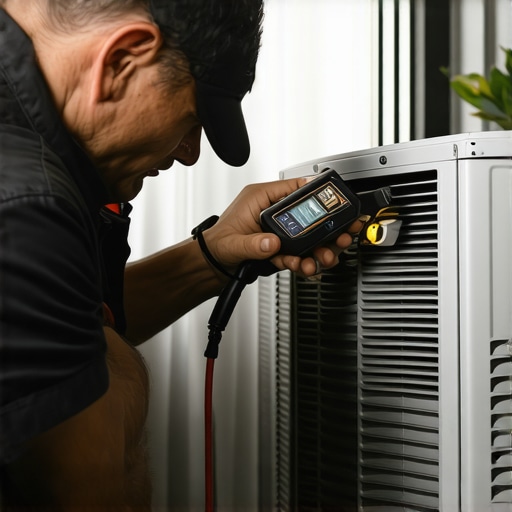
Suggested image prompt: A technician using a digital refrigerant leak detector on an air conditioning unit, showcasing professional maintenance tools in action. Title: “Professional AC Maintenance Tools”. Alt text: “Technician inspecting an air conditioner with a leak detector for optimal performance in 2026.”
,
The Hidden Lessons My Window AC Taught Me About Long-Term Comfort
One of the toughest realizations was understanding that simplicity often leads to the biggest gains—like sealing the gaps around my window kit. I discovered that even tiny leaks could negate hours of cool airflow, making me wonder if I was just throwing energy away. Through trial, error, and lots of resealing, I learned that patience and attention to detail are key. Every crack sealed felt like a small victory, translating into noticeable drops in my energy bills and more consistent room temperature.
Another insight was the importance of routine maintenance. It’s easy to forget about those seemingly insignificant seals, but set reminders to check them regularly. Over time, I found tiny shifts or tears in weatherstripping, which I fixed quickly with weatherproof tape or sealant—saving me from costly repairs and keeping my portable AC running optimally. This routine has transformed my approach, making me more proactive rather than reactive when it comes to cooling efficiency.
Finally, I realized that quality over speed matters. While quick fixes might seem tempting, investing in durable weatherproof sealants and better sealing materials pays off over the long run. It’s like giving your portable AC a good set of armor that withstands wind, rain, and seasonal shifts. This holistic care has extended the lifespan of my unit and ensured my home remains refreshingly cool without breaking the bank, even as energy costs continue to soar in 2026.
My Toolkit for Lasting Window AC Performance
- Weatherproof caulking: I trust silicone-based sealants because they stay flexible and resist weathering, lasting for multiple seasons.
- Weatherstripping tape: My go-to for quick, airtight seals—easy to measure, cut, and apply without special tools.
- Precision tools: A multimeter helps me catch electrical issues early, while a leak detector pinpoints refrigerant leaks that can sap cooling power.
- Smart monitors: Integrating apps like Tado provides real-time performance feedback, making maintenance more strategic than ever.
Your Next Step in Coolness and Confidence
Embracing these sealing strategies not only boosts your window AC’s performance but also empowers you to take control of your comfort—saving money, reducing energy waste, and preparing for smarter cooling in 2026. The key is consistency; stay vigilant, and your energy-efficient journey will reward you for years to come. Ready to give your window kit the attention it deserves? The cool, cost-effective comfort you’re seeking is just sealing away!
Tell me—what’s the most challenging part of sealing your AC window kit? Share your experiences below to help others conquer their cooling hurdles in 2026.