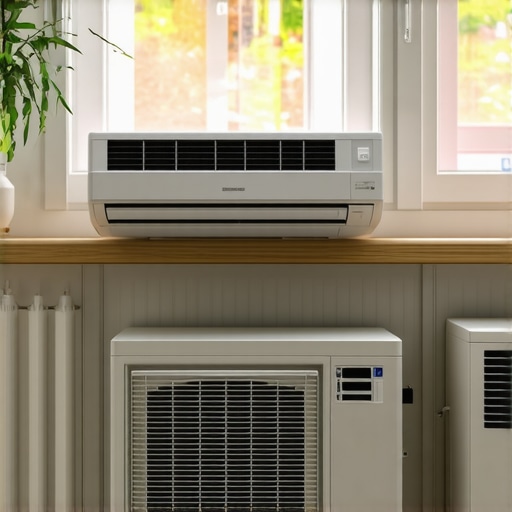
Last summer, I found myself drenched in sweat, desperately trying to cool down my tiny apartment with an aging window unit that groaned louder than a freight train every time I turned it on. After countless futile attempts, I had my lightbulb moment: there has to be a better way. That realization led me to explore the world of top window and portable air conditioners for 2024. And let me tell you, my comfort has never been the same since.
Why Now is the Perfect Time to Upgrade Your Home Cooling System
With temperatures rising each year, efficient cooling isn’t just a luxury anymore — it’s a necessity. And if you’re like me, battling with bulky, noisy, and ineffective units, the thought of upgrading might seem overwhelming. But here’s the thing: technology has advanced rapidly, making modern window and portable ACs incredibly user-friendly, energy-efficient, and powerful. Plus, they are designed to fit seamlessly into your home without the massive installation hassle of the past.
Is All the Hype About These New Units Just Marketing?
Honestly, I was skeptical at first. I made the mistake early on of assuming that newer models would just be a bunch of bells and whistles with no real benefits. But I discovered that investing in the right unit saves money and stress in the long run. For example, smart AC technology now allows remote control and energy monitoring, which can significantly cut down your electricity bills. According to recent studies, ENERGY STAR-rated units can save homeowners up to 30% on cooling costs — that’s a lot of saved dollars and a lot more comfort during those sizzling summer days.
If you’re tired of sweating through another summer or frustrated by inefficient cooling solutions, you’re in the right place. Over the next sections, I’ll guide you through how to choose the best units for your needs, what features matter most, and how to avoid common pitfalls. Ready to turn your home into a cool oasis? Let’s dive in.
Choose the Right Unit for Your Space
Start by assessing your room size and layout, which directly influences the type and capacity of the air conditioner you need. For small bedrooms or offices, a compact portable AC might be perfect. For larger living rooms, consider a window unit with higher BTU ratings. When I replaced my old unit last summer, I measured my room carefully and realized that a 10,000 BTU portable was ideal — it cooled my space quickly without overwhelming it. To get accurate sizing, use a calculator or consult the expert tips for selecting the best window AC.
Prioritize Energy Efficiency and Smart Features
Invest in models with the ENERGY STAR label and smart technology. These units not only consume less power but also offer remote control and scheduling, which saves you money and hassle. I installed a smart window AC that I can control from my phone, making it easy to turn on before I arrive home or set a schedule to match my daily routine. Smart features like voice control and energy monitoring can significantly cut down your bills and boost convenience. For detailed advice on choosing such units, check the latest smart AC technology in 2025.
Installation and Placement Matter
Proper placement of your AC unit ensures maximum efficiency. For window units, install them high in the window frame to facilitate airflow and prevent warm air from re-circulating. Portable units should be positioned against an exterior wall with the exhaust hose vented outside through a window kit, which I learned the hard way — I initially placed mine in a corner that blocked airflow, causing it to work harder and get noisier. Use the manufacturer’s guidelines, and consider sealing gaps around the unit to prevent warm air leaks. For expert tips on installation, visit the best practices for installing window ACs.
Maintain and Optimize Your System
Regular maintenance prolongs the lifespan and keeps your unit running efficiently. Clean or replace filters monthly, and check for dust or obstructions in vents. During peak season, run a quick efficiency check, ensuring the unit is cooling properly without excessive noise or vibration. I set reminders to clean filters and inspect the exhaust hoses, which helped me avoid costly repairs later. Additionally, using curtains or blinds during the hottest part of the day reduces load on your AC, making your system more effective. For comprehensive maintenance tips, see the smart AC room cooling tips for 2024.
Leverage Technology for Better Comfort
Utilize the latest innovations like Wi-Fi-enabled units that allow control from anywhere. This feature proved invaluable when I forgot to turn off my AC before leaving, saving energy and costs. Some models even adapt their cooling based on your habits, optimizing performance without manual input. By integrating these units with home automation systems, you can create a seamless cooling environment that responds to your lifestyle. Explore the top Wi-Fi-enabled smart ACs to find the best fit for your home.
While it might seem straightforward to pick an air conditioner based on BTU ratings or price, there are subtle nuances that often go unnoticed but can significantly impact performance and longevity. Many homeowners fall into common traps because they rely on surface-level information or marketing claims rather than digging deeper into the technical details. Let’s explore some of these overlooked aspects that can make or break your cooling experience.
Why Bigger Isn’t Always Better for AC Capacity
A widespread misconception is that choosing an AC with the highest BTU rating guarantees cooler rooms and quicker cooling. However, oversizing an air conditioner can lead to short cycling, where the unit turns on and off frequently, wasting energy and causing uneven cooling. This phenomenon not only reduces efficiency but also accelerates wear and tear, potentially shortening the lifespan of your system. For optimal comfort and efficiency, it’s crucial to select a unit that matches your room size accurately. Use an expert-approved calculator or consult professional tips for choosing the right window AC to avoid this common mistake.
Furthermore, many think that all units with similar BTU ratings perform equally, but the design and technology behind the compressor, fan, and insulation significantly influence actual cooling performance. A high-quality unit with advanced inverter technology can maintain consistent temperatures more efficiently than a basic model with higher BTUs, saving you money in the long run.
Smart Features Are Not Just a Gimmick
Another trap homeowners often fall into is dismissing smart features as unnecessary or just marketing hype. In reality, smart technology such as Wi-Fi control, scheduling, and energy monitoring can transform your cooling experience. These features allow you to pre-cool your home, turn off the unit when not needed, and track energy consumption, which can lead to substantial savings. I’ve personally found that integrating my smart AC with home automation systems simplifies managing comfort and reduces waste—something that’s especially valuable during hot spells or when away from home.
It’s worth noting that not all smart units are created equal. Look for models with reliable connectivity, user-friendly apps, and compatibility with your existing smart home ecosystem. For a deep dive into the latest smart AC innovations, see the 2025 smart AC technology review.
Don’t Neglect Installation and Maintenance
Many overlook the importance of proper installation. Incorrect placement can drastically reduce efficiency, cause noise issues, and increase energy bills. For instance, placing a portable AC in a corner or close to heat sources can impair airflow. Similarly, window units installed without sealing gaps can allow warm air to re-enter, making the system work harder than necessary. Proper venting and sealing are critical for optimal operation. Check out the best practices for installing window ACs to avoid these pitfalls.
Beyond installation, regular maintenance like filter cleaning and coil checks are vital. Neglecting these can lead to decreased performance and higher energy costs, not to mention potential system failure. Remember, a well-maintained unit not only cools better but lasts longer, saving you money over time.
In conclusion, understanding these nuanced factors—accurate sizing, smart features, proper installation, and diligent maintenance—can significantly enhance your cooling experience. Don’t fall for the common myths or superficial specifications. Instead, dig deeper and choose a system tailored to your needs. Have you ever fallen into this trap? Let me know in the comments.
How do I maintain my air conditioning system over time to ensure it keeps working efficiently
Maintaining your cooling system is crucial for long-term performance and energy savings. I personally rely on a combination of professional-grade tools and simple routines that keep my units running smoothly year after year. One of my favorite tools is a digital infrared thermometer, which I use regularly to check the temperature difference across the evaporator coils. This helps me identify when my system isn’t cooling as effectively as it should, signaling that it might need cleaning or servicing. Additionally, I invest in a high-quality vacuum pump for cleaning filters and coils, ensuring dust and debris don’t impair airflow or cause strain on the compressor.
For software, I utilize smart home apps that sync with my Wi-Fi-enabled AC units. These apps provide real-time diagnostics, energy consumption reports, and maintenance reminders, making it easier to stay on top of routine tasks. For instance, I get alerts when filters need replacing or when the system detects abnormal operation, allowing me to act proactively rather than reactively. According to experts, regularly scheduled maintenance—like cleaning filters monthly and inspecting vents—can extend your unit’s lifespan by years and prevent costly repairs down the line.
Looking ahead, I believe the trend will shift even more toward AI-powered diagnostics and automated maintenance. Future systems may self-monitor and perform certain upkeep tasks autonomously, reducing the need for manual intervention. This seamless integration will make it easier for homeowners to keep their cooling systems in prime condition without the hassle of frequent checks.
What tools do I recommend for optimal cooling maintenance
My top recommendation is a reliable Wi-Fi-enabled smart AC because it combines convenience with diagnostics. Pair it with a digital infrared thermometer, which helps monitor temperature discrepancies and diagnose cooling issues early. For cleaning, a high-pressure vacuum with a brush attachment is invaluable for removing dust from filters and coils. I also keep a set of replacement filters and a coil cleaning spray on hand to perform quick upgrades when needed.
Don’t forget to schedule seasonal professional inspections. A certified technician can perform thorough checks on refrigerant levels, electrical connections, and compressor health, catching problems before they escalate. Using these tools and routines, I’ve managed to keep my home cool efficiently and affordably, even during scorching summers.
Remember, consistent maintenance is the key to long-term comfort and savings. Try incorporating these tools into your routine, and you’ll notice a significant difference in system performance and longevity. For more detailed advice, visit our ultimate guide to window and portable ACs.
The Hardest Lesson I Learned About Room Cooling Efficiency
One of my biggest surprises was realizing that bigger isn’t always better when choosing an air conditioner. Oversizing a unit often leads to short cycling, which wastes energy and causes uneven cooling. It’s a lesson I wish I knew earlier—accurate sizing based on your room’s square footage and layout is key to efficient cooling and longer system lifespan. Trust me, investing time in proper measurement and expert advice can save you from costly mistakes and frustration.
My Secret Weapon for Smarter Room Cooling
Smart technology has transformed my approach to home comfort. I rely on Wi-Fi-enabled units that I control remotely via apps, allowing me to pre-cool my space or turn off the system when I leave. These features do more than convenience—they cut down on energy bills. I personally recommend exploring latest smart ACs in 2025 for their reliability and innovative capabilities. They’re a game-changer in maintaining perfect comfort effortlessly.
Installation and Maintenance: The Unsung Heroes
Proper installation isn’t glamorous but is absolutely essential. I learned this the hard way by placing my portable AC in a corner that blocked airflow, making it work harder and noisier. Correct venting, sealing gaps, and choosing the right placement can dramatically improve efficiency. Regular maintenance, like cleaning filters and inspecting vents, has kept my system humming smoothly for years. These simple routines prevent breakdowns and ensure consistent cooling, saving money and stress in the long run.
Curiosity Unlocked: Lessons That Changed My Cooling Game
- Choosing the right size matters: Too big or too small can ruin your comfort and waste energy. Use expert recommendations to get it right.
- Smart features are worth the investment: From remote control to energy monitoring, they help you save money and enhance convenience.
- Installation is everything: Proper venting, placement, and sealing can make or break your system’s performance.
- Consistent maintenance is key: Regular cleaning and inspections extend your unit’s lifespan and keep it efficient.
Where to Go from Here
If you’re ready to upgrade, start by assessing your room size and exploring top window and portable ACs for 2024. Invest in energy-efficient, smart models, and follow expert installation tips. Remember, a little knowledge and proper care can transform your hot, stuffy space into a refreshing oasis. Your comfort is worth it—take the first step today.
Your Turn to Chill
Have you ever fallen into the trap of oversizing your AC or overlooked maintenance? Share your experiences below—I’d love to hear what worked or didn’t work for you on your cooling journey.
http://Jessica%20Morgan
Reading through your detailed post really resonated with me, especially the part about sizing your air conditioner correctly. I once bought a unit that was too powerful for my small living room, and I experienced constant short cycling, which actually made the room temperature fluctuate rather than stabilize. It was frustrating and obviously not energy-efficient. Since then, I’ve learned that proper sizing, along with smart features like timers and remote control, makes all the difference in managing comfort and costs. I’m curious, have you found that inverter-based units consistently outperform traditional models in real-world settings? I’ve read they do better with maintaining steady temperatures and saving energy, but I’d love to hear personal experiences or recommendations from others here.
http://Michael%20Roberts
This post hits all the right points for anyone about to upgrade their home cooling system, especially with how technology has transformed the options available. I totally agree that proper sizing is so often overlooked; I once installed a unit that was way too large, and it ended up short cycling constantly, which I learned was detrimental to both the energy efficiency and the lifespan of the AC. Since then, I’ve been focused on detailed measurements and consulting experts, especially for inverter models that maintain steadier temperatures and reduce power consumption. Have others found that inverter technology makes a noticeable difference over traditional units in real-world use? I’d be curious to hear experiences because I’m contemplating switching to a Smart inverter model and want to make an informed decision.
http://Emily%20Carter
This post really underscores how essential proper sizing and smart features are in modern AC units. Last summer, I also struggled with an old, noisy window unit that barley cooled my small apartment effectively. Since upgrading to a smart, inverter-based portable AC, I’ve noticed not only a quieter operation but also better temperature stability. I believe the inverter technology makes a noticeable difference because it varies the compressor speed, reducing energy use and preventing the short cycling you mentioned. Has anyone experienced significant energy savings or improved comfort after switching to inverter technology? I’m curious whether the initial investment pays off over time and if certain brands or models stand out for durability and seamless smart integration. It’s amazing how far the technology has come, making cooling much more efficient and user-friendly.