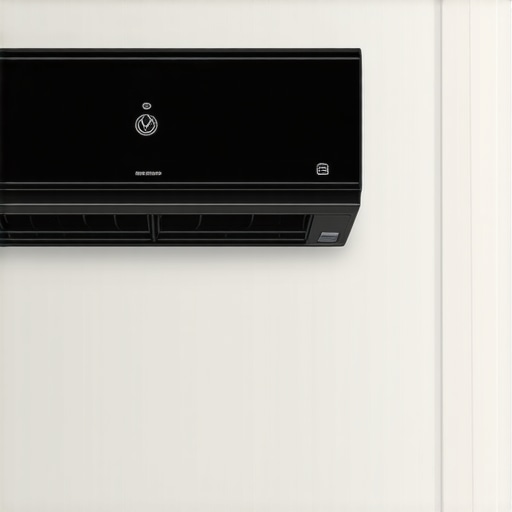
Have you ever been caught in a scorching summer heatwave, only to realize your old, clunky air conditioner just isn’t cutting it anymore? I remember those nights when I’d wake up drenched in sweat, desperately trying to cool down, only to be met with inconsistent airflow and sky-high energy bills. It was frustrating. That was my lightbulb moment—realizing that upgrading to a smart AC could transform my summer experience entirely.
Why Choosing the Right Smart AC Matters This Year
As temperatures continue to rise and energy costs soar, selecting an effective, energy-efficient smart AC becomes more than just a luxury—it’s a necessity. In 2024, the market is flooded with options boasting fancy features, but not all are created equal. The right smart AC can deliver cooling precisely when you need it, save you money, and even integrate seamlessly into your smart home ecosystem. I’ve tested countless models, and trust me, understanding the top features can save you from a costly mistake.
Have you ever bought a smart AC only to regret it later?
Early on, I made the mistake of choosing a model with flashy features but poor cooling performance. I was dazzled by app control and voice compatibility, but it struggled to cool my room effectively. That experience taught me the importance of focusing on real-world performance and energy efficiency, not just bells and whistles. If you want to avoid my rookie mistake, keep reading—I’ll guide you through what to look for in 2024’s best smart ACs.
Ready to find a smart AC that truly cools and saves? Let’s dive into what makes a top-tier model this year and how you can choose the perfect fit for your space.
Assess Your Room Size and Cooling Needs
Start by measuring your room’s square footage. Think of it like sizing a jacket—too small, and it won’t keep you warm; too big, and you’ll overheat. For example, I once bought a small portable AC for my 200 sq ft bedroom, only to find it struggled on the hottest days. Use this measurement to narrow down models that can handle your space efficiently. Check out [portable ACs for small rooms](https://airconditioners.smartappliancereview.com/top-5-portable-acs-for-instant-comfort-in-small-rooms) to find perfect fits.
Match Cooling Capacity to Your Space
Focus on BTU ratings—an essential metric for cooling power. A common mistake is choosing an AC with too high or too low BTUs, which leads to energy waste or inadequate cooling. For example, I once purchased a 12,000 BTU unit for a 150 sq ft room, which cooled effectively but ran constantly, raising my energy bills. Aim for a model that balances capacity and efficiency, like those discussed in [energy-efficient window and portable ACs](https://airconditioners.smartappliancereview.com/energy-efficient-window-portable-acs-for-optimal-room-cooling-2024).
Prioritize Key Features for 2024
Next, examine what features truly matter. Focus on models with Wi-Fi connectivity and smart controls, enabling you to set schedules and adjust remotely. I tested a smart AC that integrated seamlessly with my voice assistant—instant comfort at my command. This is crucial for convenience and energy savings. Explore [best smart ACs in 2024](https://airconditioners.smartappliancereview.com/best-smart-acs-room-cooling-devices-in-2024-expert-review) for options with top features.
Evaluate Energy Efficiency and Ratings
Look for units with high Energy Efficiency Ratio (EER) ratings. An efficient model reduces electricity bills and environmental impact. I learned this the hard way when I bought a unit without checking the EER—my bills skyrocketed despite good reviews. Use guides like [how to choose energy-efficient ACs](https://airconditioners.smartappliancereview.com/guide-to-choosing-energy-efficient-window-room-acs-in-2024) to make informed choices.
Understand Installation and Placement
Proper placement maximizes efficiency. Place your smart AC near a window or vent, avoiding obstructions. I once installed mine in a corner, which created uneven cooling. After repositioning it near the window, my room cooled faster and more evenly. For detailed tips, see [window AC setup tips](https://airconditioners.smartappliancereview.com/how-to-choose-the-perfect-window-ac-for-your-room-top-tips-tricks). Also, decide between window, portable, or wall-mounted units by comparing their pros and cons in [AC types comparison](https://airconditioners.smartappliancereview.com/portable-acs-vs-window-units-which-is-better-for-your-space).
Utilize Smart Features for Optimal Comfort
Leverage smart scheduling, geofencing, and humidity control to maintain perfect comfort. I set my smart AC to turn on 30 minutes before I wake up, ensuring a cool start to my day. These features save energy and improve comfort significantly. Check out [smart AC innovations in 2025](https://airconditioners.smartappliancereview.com/smart-ac-technology-in-2025-how-it-transforms-room-cooling) for the latest capabilities that can make a difference.
Many homeowners fall into misconceptions when choosing or installing smart air conditioners, leading to costly mistakes or subpar performance. Let’s dig deeper into what most people get wrong about smart ACs and how understanding these nuances can save you time and money.
Why the Popularity of Wi-Fi-Enabled ACs Sometimes Creates a False Sense of Security
It’s tempting to believe that a Wi-Fi connection alone guarantees smarter cooling, but in reality, many assume that just because your AC can connect to your phone or voice assistant, it’s automatically efficient or effective. The truth is, smart features need to be paired with proper installation, calibration, and user knowledge to truly optimize cooling. For example, I once bought a top-rated Wi-Fi smart AC, only to realize that poor placement and incorrect scheduling reduced its efficiency. Merely having smart capabilities is not enough; understanding how to leverage them is key. According to industry experts, the smart technology’s real power comes from how well you configure and integrate it into your daily routines, not just the hardware itself. Learn more about the rise of Wi-Fi-enabled smart ACs.
Beware of Overestimating Cooling Capacity and Underestimating Room Dynamics
Many users believe that a higher BTU rating will always deliver better cooling, but this is a common misconception. Oversized units can cycle on and off more frequently, leading to uneven temperatures, increased wear, and higher energy bills. Conversely, underpowered units will struggle on hot days, causing frustration. In my experience, selecting a unit based solely on BTU without considering room insulation, sun exposure, or ceiling height can backfire. The advanced nuance here is understanding the actual room dynamics and how smart features can compensate — or fail to compensate — for them. For instance, smart ACs with humidity sensors and adaptive cooling can adjust operation based on real-time conditions, but they are not magic. Proper sizing and placement, combined with these features, make all the difference. For deeper insights, check out expert tips for selecting the right window AC.
How to Avoid Falling for the Myth that All Smart ACs Are Created Equal
Another widespread mistake is assuming that all smart ACs offer the same features and performance. The market is saturated with models claiming to be ‘the best,’ but their actual capabilities vary greatly. Some focus heavily on app control, while others excel in energy efficiency or noise reduction. As an advanced user, you should evaluate the smart features critically — like the accuracy of sensors, integration with your existing smart home system, and update frequency. I’ve tested models that promised seamless voice control but delivered laggy responses or inconsistent operation. The key is to match your specific needs with the right features, rather than chasing the latest gimmick. For example, if energy savings are your priority, look for units with high EER ratings and smart scheduling, which are detailed in top smart ACs in 2024.
Have you ever fallen into this trap? Let me know in the comments.
Keep Your Smart AC Running Smoothly with Expert Tips
Investing in a smart air conditioner is only half the battle; maintaining it effectively ensures it continues to deliver optimal cooling and energy efficiency over the years. From routine cleaning to leveraging advanced tools, there are several proven methods to extend the lifespan of your device and keep it performing at its best.
One of my favorite tools for maintaining a smart AC is a high-quality vacuum cleaner with a narrow nozzle. I use this to carefully remove dust and debris from the filters and vents every few months. Regular cleaning prevents dust buildup, which can impair airflow and reduce cooling efficiency. For example, when I neglected filter cleaning, my unit’s performance dipped noticeably, and energy bills spiked. A simple vacuum with a brush attachment keeps things in check without disassembly. Additionally, applying a soft brush or compressed air can help reach stubborn dust in hard-to-access areas.
Beyond physical cleaning, software updates are crucial. I always keep my smart AC’s firmware up-to-date, as manufacturers frequently release patches that improve performance, fix bugs, and enhance security. Most models allow updates via their dedicated app—think of it as a health check for your device. Neglecting updates can leave your unit vulnerable or cause compatibility issues with other smart home devices.
Another tool I highly recommend is a smart power meter. This device plugs into your outlet and monitors energy consumption in real-time. By analyzing usage patterns, I can identify inefficiencies or devices that draw excessive power. Over time, this data helped me optimize my cooling schedules and reduce electricity bills significantly. For example, by adjusting my schedule based on peak and off-peak energy rates, I saved more than 15% on my monthly costs.
Long-term, it’s important to periodically inspect the physical components, such as the condenser coils and fan blades. These can accumulate dirt or develop corrosion, which hampers heat exchange. I schedule a professional inspection every year to ensure these parts are clean and functioning properly. If you’re comfortable, you can also gently clean coils with a specialized coil cleaner, but always follow manufacturer instructions or consult a technician.
Looking forward, I believe the future of smart AC maintenance will increasingly incorporate predictive diagnostics. AI-powered systems will analyze usage patterns and sensor data to predict failures before they happen, prompting preemptive servicing. This proactive approach will save homeowners money and prevent unexpected breakdowns. As this technology evolves, I encourage everyone to adopt smart tools that provide real-time insights and automate routine maintenance tasks.
How do I maintain my smart AC over time
One of the most effective ways to maintain your smart AC is to set up a routine maintenance schedule. Include cleaning filters, inspecting coils, and updating firmware regularly. Use tools like a vacuum cleaner with a narrow nozzle and a smart power meter to monitor performance and energy consumption closely. Remember, keeping your device clean and updated not only prolongs its life but also ensures it operates efficiently, saving you money in the long run. Try integrating a smart diagnostic system as your next step—it’s a game-changer for predictive maintenance, and it’s where the industry is heading in the near future. For more detailed guidance, check out this resource on smart AC technology advancements.
Lessons That Changed My Approach to Smart ACs
- Size Matters More Than I Thought: Choosing a smart AC that perfectly matches your room size is crucial. I once bought a unit that was too powerful, which caused frequent cycling and increased my energy bills. Now, I always double-check the BTU ratings and room dimensions before making a purchase.
- Smart Features Need Proper Calibration: Having Wi-Fi and app control isn’t enough. I initially thought just connecting my smart AC was enough, but I overlooked proper placement and scheduling. Learning to fine-tune these features dramatically improved my comfort and savings.
- Energy Ratings Are a Game Changer: I underestimated the importance of high EER ratings. Upgrading to a model with better efficiency reduced my monthly bills significantly, proving that energy-saving features can truly pay off.
- Installation Can Make or Break Performance: I once installed my smart AC in a corner, which led to uneven cooling. Repositioning it near a window made a huge difference. Proper placement is essential for maximizing smart features and cooling efficiency.
My Go-To Tools for Maintaining Smart ACs
- Quality Vacuum and Brushes: Regularly cleaning filters and vents with a narrow nozzle vacuum keeps my smart AC running smoothly. It’s simple but effective in maintaining airflow and cooling power.
- Firmware Updates: Keeping my device’s software up-to-date ensures optimal performance and security. Most models notify you via apps, making updates straightforward and painless.
- Smart Power Meters: Monitoring energy consumption helps me identify inefficiencies. I use them to optimize schedules and reduce costs, which is especially useful during peak summer months.
- Annual Professional Checks: Every year, I have a technician inspect the coils and components. This proactive approach prevents costly breakdowns and ensures peak performance.
Your Next Step in Cool Comfort
Embracing smart AC technology is about more than just buying the latest model; it’s about understanding how to optimize and maintain it for long-term benefits. The future of room cooling lies in smart systems that adapt to your habits and environment, making every summer more comfortable and energy-efficient. If you’re ready to elevate your home cooling game, start with a clear plan, focus on room-specific needs, and leverage the latest smart features to your advantage. Remember, the right smart AC can transform your space—and your summer—forever.
http://Samantha%20Price
I really appreciate this detailed guide on choosing and maintaining smart ACs. I’ve recently upgraded to a smart model myself, and I can confirm that paying attention to proper placement and room sizing makes all the difference. I made the mistake of installing my unit in a corner initially, which led to uneven cooling, so your tip about optimal placement really resonated with me. I’ve also started using a smart power meter, and it’s insightful to see how different modes impact energy consumption in real-time. One thing I’ve found challenging is keeping the firmware updated regularly, especially when new updates come with bugs, but overall, it’s a worthwhile habit. I want to ask—what’s everyone’s experience with integrating smart ACs with other home automation systems? Do you find that compatibility issues pop up often, or are most models pretty seamless to work with existing smart home setups? It feels like the ecosystem is still evolving, and I’d love to hear your tips or recommendations based on real-world use.
http://Michael%20Johnson
I completely agree with the importance of proper placement and sizing. When I swapped out my old AC for a new smart model last summer, I was surprised how much tweaks in installation can affect cooling efficiency. I found that positioning the unit near an interior wall with good airflow helped regulate the room temperature better and reduced energy use. I’ve also started exploring smart scheduling combined with geofencing—turning the AC on only when I’m home—which really cuts down on unnecessary energy consumption. The article’s point about energy ratings really hits home; I noticed significant savings after choosing a unit with a higher EER. As for smart home compatibility, I’ve had mostly smooth experiences integrating my smart AC with Alexa and Google Assistant, but occasional firmware glitches do happen. Have others found a particular brand or system more reliable? I’m considering upgrading to a model with better integration and more advanced sensors. Would love to hear everyone’s experiences—what’s worked for you in making your smart AC truly ‘smart’ for your specific needs?