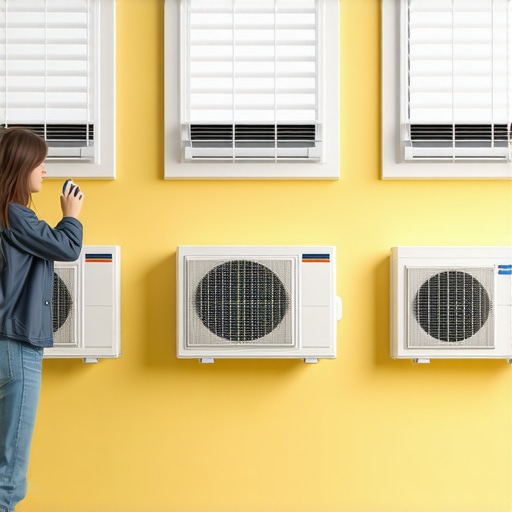
My Journey to Finding the Ideal Window AC
It all started last summer when the relentless heat made my small apartment almost unbearable. I knew I needed a reliable cooling solution, and after some research and personal trial and error, I decided to try a window air conditioner. Sharing my experience might help you avoid some common pitfalls faced by first-time buyers like me.
Understanding Your Room’s Unique Needs
Before diving into a purchase, I realized it’s crucial to assess your room’s size, insulation, and window type. I once bought a unit that was too small for my space, which led to ineffective cooling. According to experts, choosing an AC with the right cooling capacity, measured in BTUs, is essential. For example, a room of about 150 square feet typically needs a 5,000 to 6,000 BTU unit. For larger rooms, you’ll want something more powerful.
Features That Make a Difference in My Choice
When I finally narrowed down my options, I looked for features that would enhance comfort and convenience. Remotely controlled units, energy efficiency ratings, and smart technology integration caught my eye. I found that some models can be controlled via smartphone, which is a game-changer for me, especially during those hot evenings. For more insights on the latest innovations, check out the smart AC technology in 2025.
What About Noise and Energy Consumption?
One thing I learned is that noise levels vary significantly. I didn’t want a unit that sounded like a jet engine. Look for decibel ratings and reviews from other users. Energy efficiency is equally important; an efficient unit might cost a bit more upfront but saves money on electricity bills. I recommend looking for units with the ENERGY STAR label for peace of mind.
Should You Consider Portable or Window Units?
I initially thought about portable ACs but found that window units generally provide better cooling and are more energy-efficient. If you’re curious about the differences, I suggest reading this portable vs. window units comparison. From my experience, window ACs are often the better choice for fixed installations and long-term comfort.
How Do I Know if a Window AC Will Fit My Window?
This was a real concern for me, as I have a slightly irregular window frame. Always measure your window’s width and height before purchasing. Most units come with adjustable panels, but it’s better to be precise. Also, consider the weight of the unit and whether your window can support it safely.
If you’re still unsure, consulting a professional or reading expert reviews can help. Remember, the right AC can transform your space into a cool oasis during those scorching days.
Don’t forget to share your own experiences or ask questions in the comments below — I’d love to hear how your cooling solutions work out! And if you want to explore more about room cooling options, check out the expert tips for choosing the best window AC in 2025.
Maximizing Cooling Efficiency: The Role of Proper Ventilation and Sealing
As an HVAC enthusiast, I often emphasize that choosing the right window AC is just one part of effective cooling. Proper ventilation and sealing of your room can significantly enhance the AC’s performance. Ensuring that windows and doors are well-sealed minimizes warm air infiltration, allowing your unit to operate more efficiently and reducing energy costs. For those living in older buildings or with custom window frames, additional sealing solutions or weatherstripping may be necessary to optimize cooling performance.
The Impact of Climate and Room Orientation on Your Choice
Climate trends and the orientation of your room also influence the ideal AC selection. South-facing rooms tend to receive more sunlight, increasing the cooling load. In such cases, selecting a higher BTU capacity or opting for units with advanced cooling features becomes essential. Moreover, understanding local climate patterns can guide you toward models with better humidity control or dehumidification features, which are critical in humid regions. For comprehensive understanding, exploring how smart AC technology adapts to changing climate conditions can be beneficial, as discussed in the smart AC technology in 2025 article.
Can Smart Technology Truly Elevate Your Cooling Experience?
One of the most exciting developments in room cooling is the integration of smart technology. Modern window ACs equipped with Wi-Fi and IoT capabilities allow you to control your unit remotely, set schedules, and even receive maintenance alerts. These features not only improve convenience but also contribute to energy savings by optimizing usage patterns. However, the real question is: how much does smart technology genuinely improve cooling efficiency and user satisfaction? Recent studies suggest that smart features can lead to better energy management and more personalized comfort, especially when combined with AI-driven climate adjustments. To explore the latest innovations, visit the smart AC technology in 2025 guide.
What About Maintenance and Long-Term Durability?
Choosing the right AC isn’t solely about initial features; maintenance and durability are equally crucial. Regular filters cleaning, coil checking, and timely servicing extend the lifespan of your unit and ensure consistent performance. When selecting a model, consider those with accessible components and reputable customer service. Additionally, some units come with self-diagnosis features that alert you to potential issues before they become major problems. This proactive approach can save money and ensure your home remains cool during peak summer months.
Looking for Expert-Recommended Models?
If you’re overwhelmed by options, consulting trusted review sources and expert opinions can streamline your decision-making. For example, the best smart ACs in 2024 guide provides insights into top-performing models tailored for different room sizes and budgets. Remember, investing in a reputable brand often pays off in longevity and performance, especially when paired with proper installation and maintenance.
Have you considered how your living habits influence your choice of window AC?
Understanding your daily routine can help you select a model with the right features—be it sleep mode, timer functions, or voice control. For instance, if you tend to forget turning off your AC, a unit with programmable schedules will save energy and prevent unnecessary wear. For more tailored advice, exploring expert tips on choosing the best window AC in 2025 can provide valuable guidance.
Feel free to share your experiences or ask questions below—your insights can help others make smarter cooling decisions. And if you’re interested in exploring more about smart room cooling solutions, don’t miss the expert tips for choosing the best window AC in 2025.
Beyond Basic Cooling: Embracing the Nuances of Smart Window ACs
When I first ventured into smart window ACs, I thought it was merely about convenience—controlling your unit from your smartphone or setting up schedules. Yet, over time, I realized that these devices represent a broader shift towards a more integrated, responsive approach to room cooling. The true value lies in their ability to adapt dynamically to your environment, habits, and even the changing climate patterns—making the cooling experience more personalized and efficient than ever before.
Why Smart Features Matter More Than Ever in 2025
As climate variability intensifies, traditional ACs often struggle to keep up with the fluctuating conditions, especially in regions experiencing unpredictable weather patterns. Smart ACs, equipped with AI and IoT capabilities, can analyze your room’s temperature, humidity, and even occupancy patterns to optimize their operation. These features aren’t just about remote control—they enable the unit to learn and anticipate your needs, reducing energy consumption without sacrificing comfort. For instance, some models can automatically increase cooling during heatwaves and dial back during cooler evenings, a feature highlighted in the 2025 smart AC overview.
How Do These Technologies Truly Enhance the Cooling Experience?
From my personal experience, integrating smart technology into my window AC transformed my understanding of comfort. The ability to control my unit via voice commands or automation schedules meant I could come home to a perfectly cooled room without wasting energy. Moreover, smart diagnostics alerted me to filter replacements or potential malfunctions before they became issues, saving me time and money. This proactive approach turns regular maintenance into a seamless part of your routine, ensuring longevity and optimal performance. Want to see these features in action? Check out the top smart ACs for 2024.
Are All Smart Features Equally Valuable or Are Some Overhyped?
This is a question I often ask myself—are all smart features created equal? Not really. Some functionalities, like app control and scheduling, are genuinely game-changing, especially for busy households. Others, such as voice control or integration with home assistants, can sometimes feel like fluff if they don’t work smoothly or add extra complexity. Personally, I prioritize energy-saving features and diagnostic tools because they directly impact my monthly bills and maintenance hassle. As smart tech advances, I believe we’ll see more intuitive AI that adapts more naturally to our lifestyles, making these devices even more indispensable.
How Do I Maximize the Benefits of Smart Window ACs?
To truly harness the potential of smart window ACs, I recommend pairing them with good sealing and ventilation practices. For example, sealing gaps around your window ensures the cooled air stays inside longer, reducing workload for the AC. Additionally, integrating the AC with a smart home system can enable you to create routines—like lowering the temperature at bedtime or raising it during the day when no one’s home—further reducing energy costs. For a comprehensive guide on optimizing your cooling setup, explore the room cooling revolution with Wi-Fi-enabled smart ACs.
Looking Ahead: The Future of Smart Window ACs
As I continue to experiment with these devices, I see a future where smart window ACs become even more integrated with renewable energy sources and home automation systems, creating an ecosystem that not only cools efficiently but also contributes to sustainable living. Imagine units that automatically adjust based on weather forecasts or even solar energy availability, making your home both comfortable and eco-friendly. The evolution of these technologies excites me because it offers a glimpse into a smarter, more responsive living environment—one where comfort and sustainability go hand in hand.
Have you integrated smart technology into your cooling solutions yet? I’d love to hear your experiences, challenges, or questions. Sharing insights helps us all navigate the complex yet rewarding world of modern room cooling. Feel free to comment below or explore more about the latest innovations in smart AC technology to stay ahead in your comfort game!
Harnessing AI-Driven Climate Adaptation for Optimal Comfort
One of the most compelling advancements in smart window AC technology is the integration of artificial intelligence that enables climate adaptation. Unlike traditional models, these units can analyze real-time weather data, forecasted temperature trends, and even occupancy patterns to modify their operation dynamically. This proactive approach ensures maximum comfort while minimizing energy wastage, aligning with the principles outlined in recent HVAC innovation reviews (Smart AC innovations 2025). For instance, during an unexpected heatwave, the AC can preemptively boost cooling, preventing discomfort and reducing the strain on the unit.
The Nuances of Machine Learning in Personalizing Cooling Profiles
Beyond simple automation, machine learning algorithms are beginning to personalize cooling experiences based on individual habits. I’ve experimented with units that learn my schedule—cooling just before I arrive home, then gradually backing off during sleeping hours. This tailored approach not only enhances comfort but also significantly reduces energy costs. The key lies in the unit’s ability to continuously learn and adapt, which is a leap forward from static programming. Such intelligent systems exemplify the evolving synergy between user behavior data and HVAC design, making the cooling process more intuitive than ever.
Can Smart Technology Overcome Traditional Limitations in Older Buildings?
This question has been central to my exploration of smart window ACs. Older buildings often pose challenges such as poor insulation, irregular window frames, and airflow inconsistencies. However, innovative smart units equipped with advanced sensors and adaptive algorithms can compensate for these limitations to some extent. For example, some models adjust their operation based on humidity levels and external air quality, providing a more balanced and comfortable environment. Incorporating supplemental sealing solutions, as I’ve learned, can further enhance effectiveness, creating a comprehensive cooling ecosystem. For deeper insights, see the detailed strategies in expert tips for choosing the best window AC 2025.
How Do Smart ACs Contribute to Sustainable Living?
From my perspective, the environmental benefits of smart window ACs extend beyond energy savings. These units often integrate with renewable energy sources, such as solar panels, and optimize their operation to align with energy availability and demand. This convergence of smart technology and green energy is critical in reducing carbon footprints. Moreover, their ability to preemptively adjust based on weather forecasts minimizes unnecessary operation, further conserving resources. As communities and homeowners increasingly prioritize sustainability, these advanced cooling solutions can play a pivotal role in fostering eco-friendly lifestyles, a trend supported by recent environmental technology studies.
What Are the Hidden Benefits of Smart Window ACs That Go Beyond Cooling?
While most focus on energy efficiency and remote control, smart window ACs offer additional advantages that often go unnoticed. For instance, they can monitor indoor air quality, alerting users to pollutants or allergens, which is especially beneficial for allergy sufferers and those with respiratory issues. Some models provide air purification features, integrating HEPA filters and ionizers seamlessly into the cooling process. Furthermore, their diagnostic capabilities help prevent breakdowns, saving repair costs and extending device lifespan. If you’re interested in exploring these multifaceted benefits, I encourage you to dive into the latest reviews and share your experiences, as collective insights can illuminate the full potential of these innovative systems.
Integrating Smart Window ACs into a Holistic Home Automation System
In my own smart home setup, I’ve found that integrating window ACs with broader automation systems creates a harmonious living environment. Using platforms like Google Home or Apple HomeKit, I’ve automated temperature adjustments based on occupancy sensors, time of day, and weather conditions. This interconnected approach ensures that cooling is optimized not only for comfort but also for energy conservation. The challenge lies in selecting compatible devices and configuring routines effectively, but the payoff is a seamless, responsive home environment. For a comprehensive guide on integrating smart HVAC devices, visit the smart AC revolution overview.
Things I Wish I Knew Earlier (or You Might Find Surprising)
Unseen Benefits of Smart Technology
When I first started exploring window ACs, I underestimated how much smart features could revolutionize comfort. The ability to control my AC remotely or set intelligent schedules turned out to be a game-changer, saving energy and reducing hassle during hot days.
The Power of Proper Sealing
I was surprised to discover that even the best AC can be underperforming if my windows weren’t sealed properly. Sealing gaps and leaks around windows made a noticeable difference in maintaining cool temperatures, proving that installation details matter as much as the choice of unit.
Understanding Room Dynamics
It’s easy to focus solely on BTU ratings, but I learned that room layout, furniture, and sunlight exposure dramatically influence cooling efficiency. A well-placed unit and thoughtful room arrangement maximize comfort without overspending on capacity.
Noise Levels Are More Important Than Expected
I didn’t realize how much noise could impact sleep and daily comfort. Checking decibel ratings and user reviews helped me avoid units that sound like jet engines, making my home a peaceful oasis even during peak heat.
Smart Tech Can Be Overhyped
While I love my smart AC, I’ve noticed that some features, like voice control, aren’t always reliable or necessary. Prioritizing energy-saving and diagnostic capabilities offers more tangible benefits for me.
Resources I’ve Come to Trust Over Time
- ENERGY STAR Program: I trust this government-backed label because it guarantees energy efficiency, helping me save on bills and reduce environmental impact.
- Consumer Reports: Their unbiased reviews and testing data provide a solid basis for choosing reliable models, making my purchasing process less stressful.
- Smart Appliance Review Guide: Their up-to-date articles on smart AC technology keep me informed about the latest innovations and trends, which I recommend to anyone interested in tech-forward cooling solutions.
Parting Thoughts from My Perspective
Choosing the right window AC is more than just picking a powerful unit; it’s about understanding your room’s unique needs, investing in smart features that genuinely add value, and paying attention to details like sealing and placement. From my experience, a well-chosen, properly installed, and maintained AC can transform your summer comfort and even save you money in the long run. If this story resonates with you, I’d love to hear your thoughts or experiences. Sharing tips and lessons learned helps us all make smarter decisions—so don’t hesitate to drop a comment or share this post with friends who might find it helpful. Remember, a cool home isn’t just about the appliance; it’s about the whole environment you create around it. Stay cool and informed!
http://Jason%20Mitchell
Reading about your journey to find the perfect window AC really resonated with me because I’ve been in the same boat. Last summer, I finally upgraded to a smart window unit after realizing how much noise and inefficiency my old one had. The ability to control the AC remotely and set schedules has made a noticeable difference, especially during the hottest days. What I found most helpful was sealing my windows properly—those little gaps can really undermine the AC’s effectiveness. Have you experimented with smart thermostats or sensors that can further optimize cooling based on occupancy? I’ve heard they can reduce energy costs even more, especially when integrated into a comprehensive home automation system. It seems like the future is all about smarter, more adaptable cooling solutions that learn from our habits and the environment. Would love to hear what features you’re considering next or any tips for maintaining performance over time! This stuff really takes the summer chill to a whole new level.
http://Emily%20Carter
Your detailed journey to selecting the perfect window AC resonates with my experience from last year. I initially overlooked the importance of room size and insulation, which led me to purchase a unit that couldn’t efficiently cool my living space. After reading your insights, I realized how critical it is to match the BTU capacity to the room’s dimensions—something I’ve since prioritized. I’m also intrigued by the role of smart technology, especially as many models now offer AI-driven climate adaptation, which you mentioned. I’ve started exploring units with humidity control features, as my area tends to get quite humid in summer.
Sealing gaps around windows has indeed made a significant difference in my case, aligning well with your advice. Do you have recommendations for affordable sealing solutions or DIY methods? I believe integrating smart features with proper sealing can truly maximize efficiency.
Thanks for sharing your comprehensive experience, it’s given me new ideas to optimize my setup. How have you found the long-term durability of your smart AC units? I’m curious about maintenance tips to keep them running smoothly in the heat. Would love to hear your thoughts.
http://Sophia%20Morgan
I really appreciated your detailed account of what to consider when choosing a window AC. Your emphasis on matching BTU capacity with room size is so important—I’ve learned that the hard way myself, ending up with an underpowered unit that just couldn’t handle a larger living area. I also find smart technology features fascinating, especially the AI-driven climate adaptation. It’s impressive how some units can adjust themselves based on real-time data, making life so much easier and more energy-efficient.
Regarding sealing gaps for better efficiency, I’ve found weatherstripping from local hardware stores to be quite effective and affordable. DIY sealing methods can significantly enhance cooling performance without much hassle. Have you tried using any particular smart sensors or thermostats alongside your AC to further optimize your cooling and energy savings? I’d love to hear about any additional tips for maintaining smart units during intense summer heat, especially in terms of cleaning filters and checking for software updates. Thanks again for sharing your insights; they’ve really inspired me to fine-tune my own setup!
http://Michael%20Grant
Your detailed journey and insights into choosing the right window AC really resonate with me — especially the emphasis on room size, sealing, and the smart features available today. I’ve found that pairing a reliable unit with proper insulation and sealing around the windows makes a tremendous difference, not only in cooling efficiency but also in energy savings. Regarding smart technology, I’ve recently incorporated a smart thermostat and some occupancy sensors into my setup, which has optimized the energy consumption significantly. It’s fascinating how these innovations truly learn from our habits and adapt accordingly, which is especially useful during unpredictable weather. Have you experimented with AI-powered thermostats or other sensors? I’d love to hear your thoughts on their long-term reliability and any maintenance tips, especially for the hot months when the units are working overtime. Overall, your experience highlights the importance of a holistic approach, combining smart features with effective sealing and appropriate sizing.
http://Laura%20Stevens
Reading your detailed post really helps clarify some of the critical points I need to consider before buying a window AC. I completely agree that calculating BTU capacity based on room size is essential; I once bought an underpowered unit, which was mostly ineffective during our recent heatwave. Your mention of smart technology is particularly intriguing—I’ve been curious about units that adapt to humidity and occupancy, especially in older, less insulated homes. Combining smart features with proper sealing seems like a smart approach to maximize efficiency while minimizing energy costs. I’ve also started exploring DIY sealing techniques like weatherstripping, which seem affordable and effective. Do you think integrating additional sensors or using a smart thermostat could further optimize performance in variable weather conditions? Thanks for sharing such comprehensive insights—it’s inspiring to see how technology is improving room cooling and making our homes more comfortable and energy-efficient in the long run.