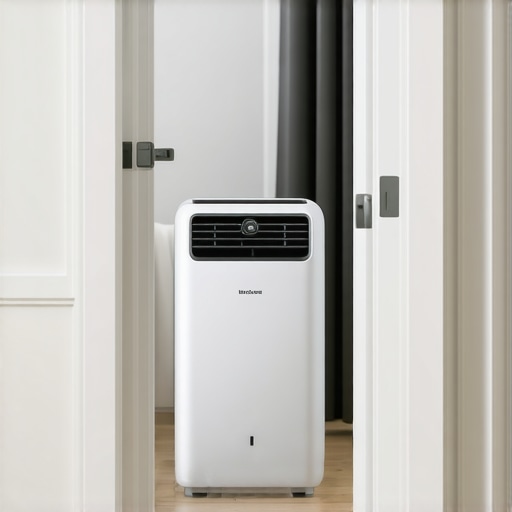
It was a hot summer evening when I finally realized I was in over my head trying to stay cool. My old, bulky window unit was loud, inefficient, and kept me trapped in a maze of cords and leaks. Sweat dripped down as I longed for a solution that wouldn’t turn my living room into a sauna. That lightbulb moment led me to explore portable air conditioners—compact, versatile, and surprisingly effective—but I had my fair share of missteps before I got it right. If you’ve ever wrestled with noisy, energy-hogging units or wondered if portable ACs are worth the hype, you’re not alone.
Why Modern Room Cooling Matters Now More Than Ever
Living through increasingly hotter summers, thanks to climate change, makes finding a reliable cooling solution a priority. Portable air conditioners have gained popularity because of their flexibility—they don’t require permanent installation and can be moved from room to room. But choosing the right model isn’t always straightforward. Many buyers hesitate, fearing high energy costs, inefficiency, or simply wasting money on gadgets that underperform. Early in my journey, I made the mistake of believing all portable ACs are created equal—most marketed as effective actually fell short, especially in larger rooms. Now, I want to help you avoid those pitfalls and find a unit that makes summer bearable, not worse.
Will I Waste Money on a Portable AC That Doesn’t Cool?
My biggest skepticism was whether these compact units deliver what they promise. I’d read glowing reviews but still doubted if they could really tackle the oppressive heat of my small apartment. Turns out, not all portable ACs are built for the same purpose. Selecting one without considering room size, BTU ratings, and features like energy efficiency can lead to frustration and wasted money. Trust me, I’ve been there. For more insights, check out this comprehensive guide on portable vs. window units—it helped me understand that choosing the right type depends on your specific needs. Are you tired of pouring cash into cooling solutions that barely make a dent? Stay tuned, because I’ll show you how to select a portable AC that truly works for your space, backed by expert tips and real-world experience.
Determine the Room Size to Match Your Ac
First, measure your room’s square footage accurately using a tape measure to avoid overestimating its size. When I set up my small bedroom, I realized my initial mistake was choosing an AC with too low BTU capacity, which barely cooled the space. Use the guidelines provided in this expert tips for selecting the right BTU to match your room size, ensuring efficient cooling without wasting energy.
Calculate the Cooling Power Needed
Think of your portable AC as a heat extractor—its BTU rating tells you how much heat it can remove per hour. A larger room requires a unit with higher BTUs; otherwise, you’ll find yourself frustrated amid persistent heat. My experience swapping out a 6,000 BTU unit for an 8,000 BTU model in the living room solved my cooling issues completely. Remember, too high a capacity can lead to short cycling, which wastes energy; aim for a balanced match. For detailed capacity recommendations, this capacity guide is invaluable.
Focus on Placement and Ventilation
Position your portable AC near a window or door to maximize exhaust airflow—think of it like a chimney pulling hot air out efficiently. When I first set mine up, I placed it haphazardly, causing reduced airflow and poor cooling. During my second attempt, I ensured the exhaust hose was as straight and short as possible, which improved performance noticeably. Use the adjustable window kit included with many units to seal gaps and prevent warm air from entering. Proper placement not only boosts efficiency but also prolongs the life of your device.
Optimize Settings for Efficiency
Adjust your unit’s temperature settings to the highest comfortable level—around 75°F (24°C)—to conserve energy. Utilizing smart features like timers and eco modes can reduce electricity bills and lower your carbon footprint. I experimented with different settings and noticed that enabling the sleep mode kept my room cool through the night without excessive power consumption. For more advanced options, explore the smart AC feature set to learn how automation can enhance comfort and efficiency.
Maintain and Clean Regularly
Keep filters clean and free of dust—think of it as a doctor’s hygiene for your cooling friend. A clogged filter restricts airflow and reduces cooling effectiveness. During my initial setup, I neglected this step, which resulted in louder operation and subpar cooling. Regularly cleaning filters and checking for obstructions will ensure your portable AC operates at peak performance. Consider creating a maintenance schedule, similar to my weekly check, to extend the device’s lifespan and save on repairs.
Compare Portable and Window Units Before Finalizing
While portable units offer flexibility, in some cases, a window AC might provide superior cooling for larger rooms. I briefly considered a window unit but chose portable for my rental flexibility. If you weigh the pros and cons carefully using this comparative review, you can select the best option suited to your needs. Remember, the right choice depends on your room size, window accessibility, and mobility needs.
While many believe that investing in a smart air conditioner automatically guarantees optimal cooling efficiency, this is a misconception worth challenging. In reality, technical nuances such as proper installation, room size matching, and understanding smart features significantly influence performance. For example, some users assume that their Wi-Fi-enabled ACs will always optimize energy use; however, if the unit isn’t properly calibrated or placed, smart features won’t compensate for basic setup errors. Additionally, many fall prey to the myth that more features equate to better cooling—what matters most is the appropriate BTU rating and ventilation strategy for your space, not the number of bells and whistles. One common mistake I see is neglecting the importance of proper ventilation and exhaust placement, which can dramatically reduce a unit’s efficiency. Moreover, not all smart ACs are created equal; some lack advanced sensors that adjust cooling based on real-time occupancy or indoor humidity levels, which are crucial for true energy savings and comfort. For those seeking an in-depth understanding, this article on smart AC technology offers expert insights into the latest innovations. Remember, the key to effective room cooling isn’t just having the newest smart device but leveraging its advanced features appropriately. Avoid common pitfalls by ensuring your setup aligns with the space’s needs and utilizing expert tips available in our comprehensive guides. Have you ever fallen into this trap? Let me know in the comments.
Tools That Keep My Air Conditioner in Top Shape
Managing a smart room cooling system isn’t just about choosing the right device; it’s also about maintaining it properly over time. Personally, I’ve found that investing in specific tools makes all the difference in ensuring my portable AC continues delivering efficient comfort throughout the summer. First, a high-quality digital multimeter is essential for troubleshooting electrical issues. I use my Fluke multimeter weekly to verify voltage and current readings, preventing minor problems from escalating. Second, a reliable microfiber cloth and a can of compressed air are my go-to for cleaning filters and vents. Regular cleaning ensures unobstructed airflow and preserves energy efficiency. Third, I rely on a hygrometer—like the ThermoPro TP50—to monitor indoor humidity levels. Maintaining optimal humidity, around 40-50%, not only improves comfort but also reduces the workload on my AC unit, prolonging its lifespan. Additionally, I utilize smart home automation platforms such as Google Home or Amazon Alexa. These platforms allow me to schedule maintenance reminders, control the AC remotely, and receive alerts for filter replacements. Integrating these tools with my smart AC helps me stay proactive. As technology advances, expect these maintenance tools to become more integrated with AI diagnostics, predicting issues before they occur. According to recent reports, leveraging IoT-enabled diagnostics reduces downtime and repair costs significantly, with some experts suggesting preemptive maintenance can extend device lifespan by up to 30%. For example, using smart diagnostic apps that connect directly to your AC’s Wi-Fi can provide real-time fault detection, similar to what is detailed in this expert analysis. I highly recommend trying out a simple yet effective tip: regularly use your multimeter to check the electrical connections and verify the unit’s operational voltage. This proactive step catches potential issues early, saving you money and hassle later. Embracing these tools will give you peace of mind and ensure your cooling system remains efficient season after season. If you want to explore more advanced smart maintenance options, check out our guide on smart AC maintenance technology in 2025.
What I Wish I Knew Before Dropping Big Bucks
It took me multiple tries and a few overheated days to realize that not all portable ACs are built equal—the hard way taught me to prioritize BTU ratings matching my space, and never to skip ventilation setup. My biggest lightbulb moment was understanding that smart features won’t do much if your unit isn’t correctly installed or suited for your room size.
Tools That Turn Routine Maintenance Into Smart Savings
Investing in a quality hygrometer and smart diagnostic apps transformed my approach to keeping my AC efficient. These tools help me catch issues early, save money on repairs, and extend the lifespan of my cooling system. Check out our comprehensive guide on smart AC maintenance for more insights.
Your Next Move in Achieving Cool Comfort
Now that you’re armed with expert tips and my personal lessons, it’s your turn to choose the right portable air conditioner with confidence. Remember, effective cooling isn’t just about the device—it’s about smart setup, ongoing maintenance, and understanding your space’s unique needs. Take action now, and don’t let the heat take control of your home life.
Have you ever struggled with finding the perfect placement or maintaining your portable AC? Share your experiences below—I’d love to hear how you’re mastering your room cooling solutions!
http://Sarah%20Mitchell
Reading this post really resonated with me, especially the part about the importance of proper placement and ventilation. When I first got my portable AC, I underestimated how crucial it was to position the exhaust hose correctly and seal the window gaps tightly. I noticed a big difference in cooling performance once I fixed these issues. It made me think about how many people might overlook basic setup steps and consequently waste energy or end up dissatisfied. I also started using a hygrometer to monitor humidity levels—something I never considered before but now see as vital for comfort and efficiency. Has anyone experimented with different placement strategies or ventilation techniques to optimize their portable AC’s performance? I’d love to hear tips or experiences from others who’ve refined their setup over time, as I’m always looking for ways to improve my own cooling system.