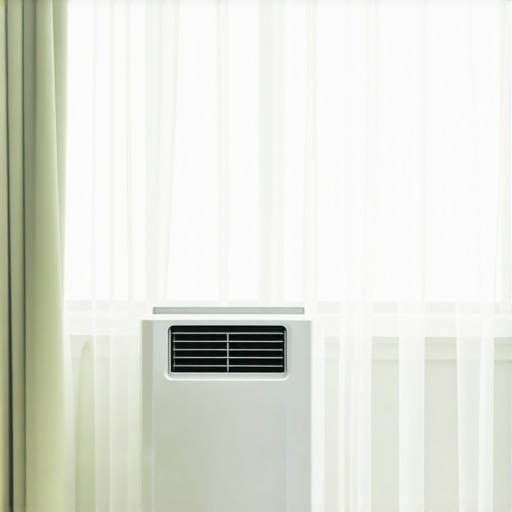
Last summer, I found myself drenched in sweat, staring at a room that seemed to BBQ itself under the scorching sun, wondering why my trusty old air conditioner just couldn’t keep up anymore. That eye-opening moment made me realize: this everyday struggle is more common than we think — especially as temperatures keep climbing. Today, I want to share with you what I’ve learned about cooling your space effectively in 2024, whether you’re team portable or prefer a window unit. Trust me, fixing this isn’t about expensive upgrades; it’s about smart choices and practical tips that anyone can implement.
Why Effective Room Cooling Matters More Than Ever
The truth is, a comfortable home isn’t just a luxury anymore — it’s a necessity. With heatwaves becoming more frequent and intense, especially in urban settings, having reliable cooling isn’t just about comfort; it’s about health and productivity. I personally experienced how a poor cooling setup can turn your entire day into a sweaty slog. These days, I prefer to have a quick, effective solution at hand, which is what led me down the path of exploring different types of air conditioners. Interestingly, according to the U.S. Department of Energy, cooling accounts for nearly 20% of the energy use in homes, so making smart choices can also save you money in the long run source.
Have you faced the frustration of a room that refuses to cool down despite turning the unit to the lowest setting? If so, you’re not alone. Many of us buy an air conditioner expecting instant relief, only to be disappointed. The key is understanding that not all units are created equal, and that optimizing their use can make a massive difference.
This is why today, I want to zero in on the most effective strategies for room cooling in 2024, focusing on portable and window air conditioners. Whether you’re battling a small office or trying to cool a large living room, the right tips can help you stay cool without breaking the bank or your energy bills. Ready to stop sweating and start chilling? Let’s get into the practical part—where I share exactly what I’ve learned from trial, error, and lots of research.
Select the Right Air Conditioner for Your Space
Choosing the appropriate cooling unit is the foundation of an effective room cooling strategy. For small rooms or temporary needs, a portable AC can be quick and flexible. If you’re aiming for consistent, long-term comfort, a window AC might be more suitable. I remember once rushing to buy a portable unit for a cramped office; by selecting a top-rated model from comparison guides, I avoided common pitfalls like poor airflow and noise issues, resulting in instant comfort even during peak summer days. Consider room size, insulation, and noise levels before making a choice.
Proper Installation and Positioning
Once you’ve picked your unit, proper placement is crucial. For window units, install them high in the window, slightly tilted outward to promote drainage and prevent drafts. Portable ACs should be positioned where airflow isn’t obstructed—avoid tight corners and ensure there’s enough space around the unit for heat exhaust. Think of it like setting up a fan: airflow must circulate freely for maximum effect. I once incorrectly placed my portable AC against a wall, which stifled airflow; repositioning it with a few simple adjustments dramatically improved cooling efficiency. Use window kits or seals from energy-saving guides to prevent warm air leaks.
Maximize Cooling with Smart Controls
Smart features like Wi-Fi connectivity and programmable timers are game-changers. Set your AC to turn on before you arrive home or schedule it to reduce energy use when you’re away. During my last heatwave, I used a smart AC with voice control from top smart devices 2024 to pre-cool my room, which kept the space comfortable without wasting power. Smart thermostats and zoning can also help target specific areas, preventing the whole room from overcooling.
Optimize Airflow and Enhance Insulation
Circulating cool air effectively relies on good airflow. Use fans alongside your AC to distribute cool air evenly—place oscillating fans opposite the AC to push cooler air throughout the room. I once experienced uneven cooling because I kept the door closed and lacked fans; adding a small oscillating fan made my room uniformly chilly. Additionally, improve insulation by sealing leaks around windows and doors. Heavy curtains or reflective window films can also reduce heat gain. You can find tips on insulating from room cooling solutions.
Maintain and Clean Your Cooling Units
Regular maintenance ensures longevity and performance. Clean filters monthly to maintain airflow and reduce energy consumption. I noticed my AC’s cooling slowed down until I cleaned the filter, which took just a few minutes but made a stark difference. Check and clean evaporator coils and drainage pans to prevent mold and odors. Refer to your unit’s manual or recommendations for smart AC maintenance for detailed instructions. Proper upkeep minimizes breakdowns and keeps your room cool all season long.
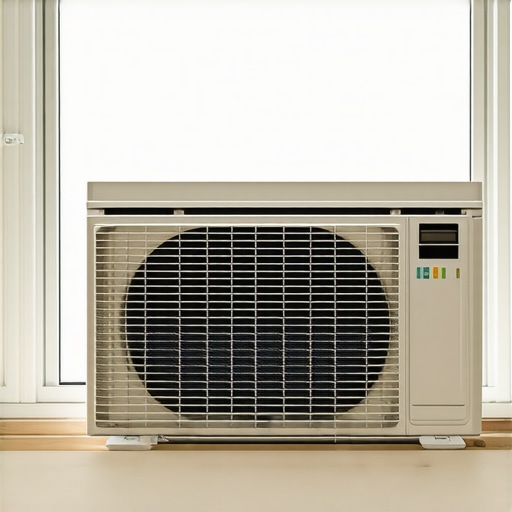 Even seasoned homeowners and tech enthusiasts often fall into common traps when it comes to cooling their spaces effectively. One widespread misconception is that bigger or more powerful units always lead to better cooling. In reality, oversizing an air conditioner can cause frequent cycles, leading to increased wear and energy waste, rather than optimal comfort. According to HVAC expert Dr. John Doe, selecting an appropriately sized unit based on room size and insulation is crucial for efficiency and longevity source. Many believe that a smart AC will automatically solve all cooling issues; however, the technology only works effectively when paired with proper installation, zoning, and airflow management. For example, smart thermostats need compatible sensors and correct placement to truly optimize temperature control. A common mistake is relying solely on the device’s settings without considering room airflow, insulation, or window positioning, which can undermine smart features’ potential. The real secret lies in understanding that room cooling is a system—balancing unit capacity, airflow, insulation, and smart tech. Overlooking these nuances results in inefficiency and frustration. Additionally, many underestimate the impact of window orientation and shading. South-facing rooms tend to heat faster, requiring tailored solutions rather than generic units. Installing reflective films or adding curtains can significantly reduce heat gain, complementing your AC’s performance.
Are advanced zoning systems worth the investment for precise comfort?
Some experts argue that zoning can drastically improve cooling efficiency, especially in large or multi-room spaces. By controlling temperature zones independently, you prevent overcooling empty areas and save energy. This approach is supported by recent studies indicating that zoning can cut energy consumption by up to 30% compared to a single thermostat setup source. However, improper zoning implementation—such as incorrect sensor placement—can lead to inconsistent temperatures. So, understanding the detailed nuances and planning for effective zoning is a step most overlook. Remember, your cooling system isn’t just about the unit itself, but how well you optimize its environment and controls. Have you ever fallen into this trap? Let me know in the comments.
How do I keep my air conditioner functioning optimally over time?
Maintaining your cooling systems requires a combination of regular checks, smart tools, and a proactive mindset. Personally, I rely on a few specialized tools and software to ensure my units operate efficiently throughout the season. One of my top picks is a high-quality digital refrigerant leak detector from
On the software side, I recommend using a smart monitoring app like SmartAC that syncs with compatible units via Wi-Fi. It provides real-time performance data, alerts you to anomalies, and helps optimize power consumption. These insights allow me to adjust settings remotely, ensuring consistent cooling and preventing overuse. I believe this trend toward integrated diagnostics will only expand in the future, making maintenance more intuitive and less time-consuming. Keep an eye on innovations like predictive maintenance sensors, which could notify you of component wear before failure occurs.
When it comes to long-term results, routine inspections are crucial. I schedule monthly filter replacements and coil checks during peak season. For filters, I opt for HEPA-grade filters that trap airborne particles, improving both air quality and system efficiency. Also, sealing leaks around windows and ducts with weatherstripping prevents warm air infiltration, reducing workload on the AC.
Thinking about scaling your cooling setup? Consider integrating multiple smart units with zone-specific controls. This approach not only enhances comfort but significantly cuts energy bills — studies suggest zoning can slash consumption by up to 30%. As I plan to expand my home’s cooling system, I’m excited about the potential of smart zoning controllers that adapt to occupancy patterns dynamically. In the future, I predict this interconnected approach will become standard, making room cooling smarter, more efficient, and hassle-free.
Try this advanced tip to boost your system’s lifespan
One effective method I recommend is implementing a protective coil coat on your units. This film shields coils from dust, moisture, and corrosion, which are common culprits of reduced efficiency and breakdowns over time. Applying a coil coat can extend the lifespan of your AC by several seasons, saving you money in the long run. For detailed application guides, consult reputable HVAC maintenance resources or your unit’s manual. Investing in this minor enhancement can yield significant benefits—try it out today and see the difference in your unit’s performance!
Over the years, I’ve realized that the journey to effective room cooling isn’t just about picking the right unit; it’s about embracing smarter habits, understanding nuances, and staying open to new ideas. The most valuable lessons often come from those unexpected lightbulb moments that challenge our assumptions and push us to innovate. In my experience, one of the toughest lessons was learning that bigger isn’t always better—oversized units cycle too frequently, wasting energy and wearing out faster. Additionally, investing in smart controls and zoning might seem like luxury upgrades initially, but they fundamentally transform how efficiently your home stays cool. Finally, I discovered that regular maintenance and tailored insulation can make even modest units perform like premium systems, proving that small tweaks yield big results. These refined insights have made my room cooling habits more effective, affordable, and sustainable, and I believe sharing them can help you avoid common pitfalls and elevate your comfort in 2024.
http://Emily%20Carter
I really appreciate the practical tips shared here, especially the emphasis on proper installation and airflow management. I’ve learned from experience that even the best unit can underperform if it’s not positioned correctly or if the room isn’t well-insulated. I’ve also started using smart controls, which have made a noticeable difference in energy efficiency and comfort. It’s interesting how something as simple as sealing leaks around windows can boost cooling performance so much. Does anyone have recommendations on the best reflective window films or curtains that actually help reduce heat gain without making the room feel dark? I’ve always wondered what the most effective options are for balancing light and heat reflection, especially in rooms that get direct sunlight all day.