
It was a scorching July afternoon when I finally lost my temper. My window air conditioner, which I rely on to keep my living room cool, started making the most terrible rattle. At first, I thought it was just some loose part, but then it became a relentless noise that echoed through my apartment, disrupting my work and my peace of mind. That moment was a lightbulb that I couldn’t ignore—my trusty AC was turning into a nuisance, and I needed a solution.
Seizing the Moment: Why Solving Your AC Noise Problem Matters
Dealing with a noisy window air conditioner isn’t just about annoyance; it can affect your sleep, concentration, and overall comfort. Plus, persistent rattling might indicate underlying issues that, if ignored, could lead to more significant and costly repairs down the line. I learned that silent fix methods are not only affordable but also surprisingly simple, transforming my overheated summer days into cool, peaceful escapes. If you’ve ever experienced a similar frustration, you’re not alone. Many homeowners and renters face this challenge, and the good news is, effective fixes are within reach.
Does Noise Really Just Happen, or Is There a Smarter Way?
In my early attempts to resolve the rattle, I made a common mistake—assuming that all noises stemmed from major mechanical faults. Instead, I discovered that many issues stem from small, easy-to-fix parts or arrangements, such as loose panels or vibrating components. Addressing these minor causes with targeted solutions can restore quiet and extend the life of your unit. And, as I found out, a little DIY effort can make a world of difference without requiring a professional overhaul. Want to learn how I finally tamed my noisy AC? Keep reading for the practical, silent fixes that can bring peace to your home.
Secure Loose Panels and Components
Start by turning off your AC and carefully inspecting the front and side panels. I once noticed a loose vent cover that vibrated when the fan ran, causing a rattling noise. Tightening screws with a screwdriver instantly reduced the noise. Tighten all visible screws and clips to ensure everything sits snugly. If panels are cracked or broken, replace them to prevent further vibrations and noise issues.
Check and Tighten Fan Blades
Vibrating fan blades can create significant noise. Remove the front grille and examine the blades for bends, dirt buildup, or looseness. Use a wrench to tighten the central bolt—be cautious not to overtighten, which could warp the blades. While I cleaned mine, I found one blade slightly wobbling, so I realigned it for smoother operation. Properly balanced blades run quieter and more efficiently.
Inspect Mounting Hardware for Stability
The unit’s mounting frame or brackets can loosen over time, leading to vibrations. Confirm that the AC is firmly mounted to the window frame or wall. Tighten any loose bolts or brackets with appropriate tools. I learned this when my unit shifted slightly, causing a persistent rattle—fixing the mounting hardware made a noticeable difference.
Apply Anti-Vibration Pads or Tape
If vibrations persist, place anti-vibration pads or strips of rubber tape between the unit and window frame or mounting surface. This acts like a buffer, dampening vibrations. I used rubberized tape around the mounting area, which resulted in a drop in noise levels — a simple and cost-effective solution.
Lubricate Moving Parts Carefully
Some ACs have adjustable fan motors with accessible bearings. Applying a few drops of light machine oil can silence squeaks and reduce vibrations. Always disconnect power before lubricating. During my attempt, I applied oil to a squeaky fan motor, which quieted the noise immediately. Be cautious not to over-lubricate, as excess oil can attract dust and cause other issues.
Replace Worn or Damaged Parts
Persistent rattling might indicate worn belts, broken mounts, or damaged fan blades. Consult your user manual and consider ordering replacement parts online. When my fan motor’s belt looked frayed, replacing it cured a persistent vibration. Regular maintenance prevents small issues from escalating into major repairs.
Keep the Unit Clean and Clear
Blocked airflow or accumulated debris can cause irregular vibrations. Regularly clean filters, fins, and vents with a vacuum or soft brush. I cleaned mine last summer, noticing a significant decrease in rattling and an improvement in cooling efficiency. Proper airflow reduces strain on mechanical parts, prolonging the unit’s lifespan.
While many believe that simply choosing a higher BTU or a more expensive unit guarantees optimal cooling, the real nuances of air conditioner effectiveness go far beyond surface-level specifications. One common myth is that all portable or window ACs are interchangeable; in reality, each type has distinct advantages and limitations tailored to specific room sizes, layouts, and user needs. For instance, many overlook how proper installation and placement influence efficiency — a window unit placed in direct sunlight or obstructed airflow can perform poorly regardless of its advertised capacity. Additionally, there’s often a misconception that smart ACs automatically save energy by themselves; in truth, their true potential lies in smart settings, sensors, and user habits, which many fail to leverage effectively. An advanced mistake many make is ignoring insulation and room sealing, assuming the AC alone can fix a poorly insulated space, leading to higher energy bills and incomplete comfort. This oversight often results in frustration, as users believe their units are inadequate when the real issue is some overlooked environmental factors. Moreover, some homeowners rely solely on the cooling capacity specified in the manual, without considering the unit’s actual placement, airflow dynamics, or the influence of space design, which can drastically diminish performance. Experts emphasize that understanding these nuances is critical for maximizing efficiency; for example, strategic window sealing or using supplementary fans can significantly enhance cooling without upgrading the AC itself. Have you ever fallen into this trap? Let me know in the comments. For a deeper dive into choosing the right unit for your space, check out our comprehensive guide comparing portable ACs versus window units, which clarifies their respective pros and cons.
The Right Tools Make All the Difference
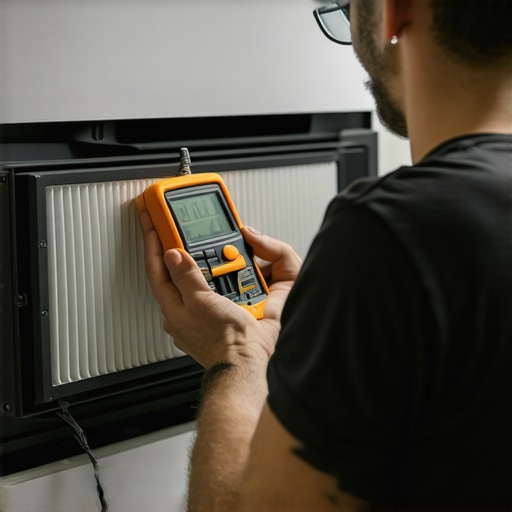
Maintaining your air conditioning system effectively requires more than just routine cleaning. I personally swear by a set of specialized tools that help me catch issues early and keep the unit running at peak performance. A digital multimeter, for example, is indispensable for checking electrical components and ensuring the compressor and fan motors are functioning correctly. I also recommend a high-quality screwdriver set with insulated handles to safely tighten or replace panels and mounting hardware. For cleaning, a soft-bristled brush and a vacuum with a HEPA filter are essential for removing dust from filters and fins without causing damage.
Why I Rely on Specific Equipment
My digital multimeter allows me to quickly diagnose electrical faults, saving me both time and money, especially when troubleshooting smart and Wi-Fi-enabled ACs. The insulated screwdrivers prevent accidental shorts during maintenance. For cleaning, I prefer a vacuum with a HEPA filter because it traps airborne particles, improving indoor air quality alongside the AC’s efficiency. These tools have helped me extend the lifespan of my units and reduce costly repairs—personal savings that add up over time.
Leveraging Software for Optimal Performance
Beyond hardware tools, I utilize dedicated maintenance apps designed for smart AC systems. These apps provide diagnostic reports, real-time temperature data, and alerts for filter changes or potential malfunctions. For example, my app notifies me when filter cleaning is due—often overlooked but critically important for long-term efficiency. I also use energy monitoring software to track power consumption, which informs me whether my setting adjustments or appliance upgrades are truly saving energy.
Future Trends in AC Maintenance Tools
Looking ahead, integration of artificial intelligence and IoT devices promises even smarter maintenance solutions. Imagine an AC that automatically schedules filter replacements, detects refrigerant leaks, and suggests optimal settings—all from a smartphone or voice assistant. Such advancements will make keeping your system in top shape even more accessible and less time-consuming. According to expert insights, AI-powered diagnostic tools will soon become standard, reducing downtime and extending equipment longevity.
How Do I Maintain My AC Over Time?
The key is consistent, scheduled maintenance combined with the right tools and smart monitoring. I recommend setting regular check-ins for filter cleaning, coil inspections, and electrical testing. Incorporating a remote diagnostic app can also help preempt major failures. Don’t wait until your AC stops cooling—proactively managing upkeep ensures efficiency and comfort year-round. For detailed guidance on choosing reliable equipment, check out our recommended maintenance tools list. And I urge you to try integrating a smart diagnostic app into your routine—it’s a game changer for long-term performance and peace of mind.
** **
**
The Hardest Lesson I Learned About Portable and Window Air Conditioners
The biggest surprise was realizing that most noise issues are fixable with simple adjustments rather than expensive replacements. I once believed that a noisy AC meant it was nearing the end of its life, but I discovered that loose panels or unbalanced fan blades often caused the rattle. Fixing these small problems not only restored quiet but also extended my unit’s lifespan.
How I Wasted Time on Useless Tips and What Works Instead
I used to flush my system with harsh chemicals and replaced parts prematurely, thinking that was the only way to reduce noise. Later, I learned that regular cleaning and tightening screws made a bigger difference. For optimal results, focusing on routine maintenance and understanding your specific unit is key.
The Real Power of Smart Tools for Peaceful Cooling
Investing in diagnostic tools like a digital multimeter and a good set of insulated screwdrivers revolutionized my maintenance approach. These allowed me to pinpoint issues quickly and safely, saving me money and preventing unnecessary service calls. Starting with these essential tools can make home AC care much less intimidating.
What I Wish I Knew About Room Design and Insulation
An often-overlooked lesson was how room insulation and placement impact noise and cooling efficiency. Strategically sealing leaks and positioning units away from direct sunlight significantly reduced strain on the AC and minimized vibrations. More than fixing the unit, optimizing the environment makes a profound difference.
Curated Resources That Changed My Cooling Routine
For anyone serious about keeping their portable or window AC silent and efficient, I recommend exploring specialized maintenance apps for smart AC systems. These apps can alert you to filter changes and diagnose faults early, much like I trust the comprehensive guides on effective room cooling strategies found on top industry sites. Additionally, reading up on the latest smart AC features through trusted reviews can help you harness technology to your advantage.
Don’t Let Noise Shut Down Your Comfort Journey
Every home deserves a peaceful, cool environment—especially during scorching summers. By mastering simple maintenance techniques and understanding your unit’s specific needs, you can enjoy quiet comfort without breaking the bank. Remember, the key to a serene summer is not just choosing the right AC but knowing how to keep it running smoothly. Take your next step with confidence and make your cooling system a source of relief rather than frustration. Have you ever struggled with a specific AC fix? Share your experience below; I’d love to hear how you tackled it.