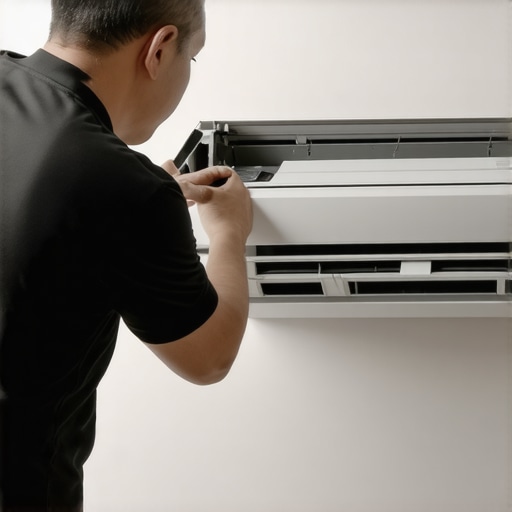
It was a scorching summer afternoon when I finally decided to turn on my portable air conditioner after a long day of relentless heat. As the cool air started seeping into the room, I noticed something was off — the room wasn’t getting as cool as I’d hoped, and the noise from the unit was louder than usual. That frustrating moment of realization made me wonder: had I been making simple venting mistakes all along that sabotaged my cooling efficiency?
In my quest for a perfect cool oasis, I discovered that even minor venting errors can significantly reduce your portable AC’s performance. If you’re like I was, battling discomfort and high energy bills without knowing why, this post is for you. Today, I’ll share the common venting pitfalls and how to sidestep them so your portable AC works like a breeze—literally.
Why Proper Venting Is the Secret to Cooler Rooms and Lower Bills
Proper venting isn’t just about comfort; it directly impacts how well your portable AC cools and how much energy it consumes. When vents aren’t set up correctly, hot air can leak back into the room, forcing your unit to work harder—think of it as fighting your own shadow. This not only hampers cooling but also spikes your electricity costs.
Early on, I overlooked the importance of sealing exhaust hoses tightly and positioning vents correctly. This small mistake made my unit run non-stop without delivering the cooling I expected. According to experts, improper venting can reduce cooling efficiency by up to 30%, which is a huge waste when you’re trying to beat the heat without cranking up your bills. For more insights on choosing the right setup, check out [this guide](https://airconditioners.smartappliancereview.com/portable-ac-not-cooling-4-fixes-that-actually-work-in-2026).
Are you struggling with your portable AC not cooling effectively? Do you suspect venting issues but aren’t sure where to start? Keep reading, because I’ll walk you through the most common mistakes and proven ways to fix them—so you can enjoy a comfortably cool home, even during the hottest days.
Secure the Exhaust Hose Correctly
When I first tried to set up my portable AC, I merely attached the exhaust hose without ensuring a tight seal. As a micro-story, I remember the first attempt involved loosely connecting the hose to the window kit, which resulted in warm air sneaking back into the room. To prevent this, firmly attach the hose and seal all gaps with the provided foam or insulation strips, ensuring no hot air escapes. Think of it like sealing a zipper—it must be airtight for maximum efficiency.
Position the Ventilation Correctly
Next, I placed the vent so that it pointed directly outside, avoiding bends or kinks in the hose. Elliptical or curled hoses cause airflow restrictions, much like trying to breathe through a straw. During my test run, I replaced a twisted hose with a straight, flexible one, and cooling improved noticeably. Also, keep the hose as short as possible to maximize the distance for hot air expulsion. Proper positioning minimizes resistance and boosts cooling performance.
Choose the Right Window Kit
Another critical step is selecting a window kit compatible with your window type. I initially used a generic kit that didn’t fit my sliding window, causing leaks and decreased efficiency. After switching to a custom-fit kit, sealing all edges with weatherstripping, I observed a marked difference in cooling speed. For tips on selecting the best unit, check [this guide](https://airconditioners.smartappliancereview.com/choosing-the-best-window-ac-expert-tips-for-2025). Ensuring a snug fit prevents hot air from re-entering and keeps the cool air inside.
Seal All Gaps and Leaks
I learned that even tiny gaps around the window kit or hose can undermine your efforts. I used expanding foam sealant around the edges of the window kit and layered weatherstripping along the hose connection. This airtight setup traps the cool air inside and prevents infiltration of outside heat. Remember, the goal is to create a controlled environment where the AC’s efforts aren’t wasted fighting leaks.
Monitor and Adjust for Optimal Performance
After completing the venting setup, I tested the system during the hottest part of the day. Using a digital thermometer, I measured the room temperature before and after. The difference validated my adjustments, and I found that rechecking the seals periodically helped maintain efficiency. Over time, hoses can slip or seals degrade, so regular inspection is key—think of it as tuning a musical instrument to keep the melody perfect. For more cooling innovations, see [smart AC technology](https://airconditioners.smartappliancereview.com/smart-ac-technology-in-2025-how-it-transforms-room-cooling).
Many tech enthusiasts assume that upgrading to a smart air conditioner automatically guarantees optimal cooling efficiency. However, this belief overlooks critical nuances that can trip up even seasoned users. One common misconception is that all smart ACs are inherently energy-saving; in reality, many models lack effective scheduling or adaptive features, which means they can end up consuming more power without delivering better performance. According to expert reviews, the true value of smart technology lies in its ability to optimize settings based on real-time data, a feature not present in all units.
Why Do Some Smart ACs Fail to Deliver on Efficiency?
Many users fall prey to the assumption that smarter equals better cooling, but neglect the importance of proper setup, climate considerations, or compatibility with existing home automation systems. An advanced mistake is ignoring the importance of accurately configuring your device’s sensors and routines, which can lead to prolonged runtimes or uneven cooling. For instance, integrating your smart AC with room occupancy sensors can significantly reduce wasted energy, yet many systems lack this feature or are improperly calibrated. Studies show that improper configuration can reduce expected energy savings by up to 25%. To maximize your investment, it’s worth exploring [top smart AC options for 2024](https://airconditioners.smartappliancereview.com/best-smart-acs-room-cooling-in-2024-top-picks) and understanding how to fine-tune their settings effectively. Another overlooked nuance is the importance of placement; even the most sophisticated smart AC won’t perform well if installed in a location prone to heat gain or airflow issues. Proper positioning ensures sensors accurately detect room conditions, enabling the device to operate efficiently. This is particularly vital for portable units, which lack ductwork and depend heavily on strategic placement. Additionally, many consumers underestimate the significance of routine maintenance—clean filters, unobstructed vents, and firmware updates are essential to sustain optimal performance. Even the most advanced units can suffer inefficiency losses if neglected. Remember, technology is only as good as its implementation. By paying close attention to setup details, environmental factors, and ongoing maintenance, you can leverage the full potential of your smart AC.
Prioritize Regular Maintenance for Peak Performance
One of the most effective ways to ensure your air conditioning units operate efficiently over time is through consistent maintenance routines. I personally recommend setting up a bi-monthly check-in schedule to inspect filters, vents, and drainage systems. Using high-quality, washable filters like the 3M Filtrete Ultra allergen filter not only prolongs the lifespan of your units but also maintains optimal airflow and cooling efficiency. Regularly cleaning or replacing filters prevents dust buildup, which can strain the compressor and reduce cooling capacity.
Invest in the Right Tools for Easy Upkeep
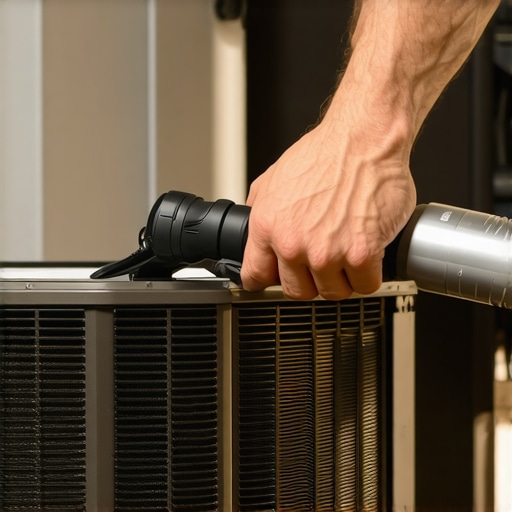
To simplify maintenance, I use a compressor vacuum cleaner designed specifically for HVAC systems. This tool makes it effortless to remove dust and debris from coils and vents without needing professional help. Additionally, a digital multimeter helps me verify the operational integrity of electrical connections, ensuring safety and preventing unexpected breakdowns.
Keeping Your Air Conditioner Efficient Over Time
Efficiency isn’t a one-and-done task; it involves ongoing monitoring. I routinely check for weird noises or inconsistent cooling, which can signal underlying issues. Installing a smart thermostat, such as the ecobee smart thermostat, allows me to set adaptive schedules that conserve energy while maintaining comfort. These devices learn your patterns and adjust settings accordingly, reducing unnecessary run times and extending the units’ lifespan.
Future of AC Maintenance and Scaling
Looking forward, I predict that AI-integrated diagnostics will revolutionize how we maintain heating and cooling systems. Imagine units that proactively alert you to component wear or inefficiencies before breakdowns occur, similar to what I observed with the latest smart AC models discussed in this comprehensive guide. Embracing these innovations will allow homeowners to scale their cooling solutions sustainably and cost-effectively.
How do I maintain my AC systems over time?
Consistent cleaning, professional inspections every year, and integrating smart technology for ongoing diagnostics are key. I also recommend keeping spare filters and small tools handy to quickly address minor issues before they escalate — this proactive approach saves both money and discomfort. To get started, try upgrading your filters today with the trusted Honeywell Home Allergen Plus filters, which I find greatly enhance indoor air quality and system longevity. Regular maintenance with the right tools ensures your cooling comfort remains reliable season after season.
Lessons I Wish I Had Learned Before Venting My Portable AC
- Timing matters—waiting until summer peak heat to set up venting can lead to unnecessary discomfort and energy waste. Early planning ensures optimal cooling when you need it most.
- The importance of testing your setup isn’t obvious at first glance. A quick air leak check with a tissue or dollar bill can save hours of frustration later.
- Investing in high-quality accessories like custom-fit window kits and proper insulation might seem costly initially, but they dramatically improve efficiency and reduce long-term bills.
- Replacing old hoses or worn weatherstripping proactively prevents performance dips. Routine checks become your secret weapon against sluggish cooling.
Tools and Resources That Transformed My Cooling Experience
- Smart Thermometers: Using a digital thermometer helped me precisely measure room temperature changes and confirm setup improvements—an invaluable step in fine-tuning efficiency.
- Top-rated smart AC models: These provide adaptive cooling that reacts to our daily routines. I trust reviews from this site because they highlight real-world performance and durability.
- Weatherstripping Supplies: Quality sealing materials made my setup airtight. I recommend high-grade foam options that resist temperature changes and last longer.
- Comparison guides for portable vs. window units: Understanding when to choose portable or window AC helps prioritize your needs and optimize savings.
Embrace the Cool — Your Journey Has Just Begun
“There’s a satisfying power in mastering your portable AC setup. With a bit of knowledge and attention to venting details, you unlock comfort that’s both effective and affordable. Don’t let missteps hold you back; take control of your cooling experience, and enjoy the relief you deserve. Ready to perfect your venting game and conquer the heat? Your cooler, more efficient home awaits.”