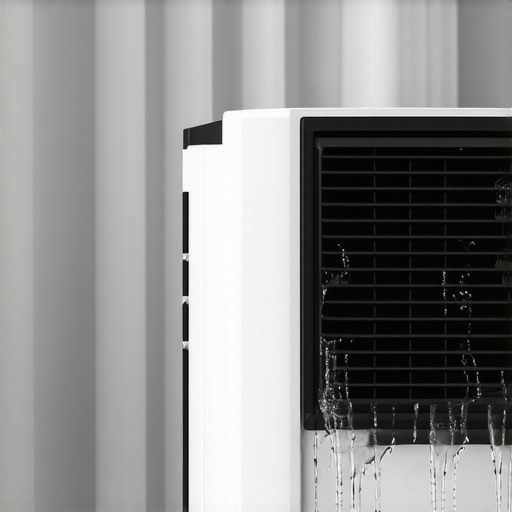
It was a scorching summer afternoon when I finally decided to crank up my portable air conditioner, only to be greeted by an unexpected flood of water pooling on my floor. My heart sank—what was wrong with my trusty cooling companion? That frustrating drip-drip could have been just a minor annoyance, or something more serious causing damage and inconvenience. I remember thinking, “How did I let this happen?” after my initial neglect to check the drain pan—an error many of us make early on when setting up or maintaining our units. If you’ve ever faced that moment of panic when your portable AC starts spitting water, you’re not alone. Many homeowners encounter this issue, and surprisingly, it’s often easier to fix than you might think.
Why Water Dripping from Your Portable AC Matters More Than You Think
That water isn’t just an annoyance; it’s a sign pointing to underlying problems that can affect your cooling efficiency, indoor air quality, and even the lifespan of your unit. Left unchecked, excessive water can lead to mold growth, damage to walls or flooring, and increased utility bills due to inefficient operation. According to recent studies, regular maintenance of portable units can extend their life by years and save homeowners hundreds of dollars annually (source: EPA indoor air quality tips). Knowing how to troubleshoot and fix common causes of water spillage can salvage your comfort and your wallet.
Will Fixing Your Water Drip Save You Money or Just Waste Time?
Early in my experience, I tried a quick fix—tipping the unit slightly or ignoring the issue altogether. It wasn’t until I learned about common missteps, like clogged drainage channels or improper installation, that I started making real progress. Trust me; getting these basics right can turn your annoyance into a straightforward fix, saving you the hassle of replacing your entire system or calling in a professional. And if you’re wondering whether these fixes are worth your time, I assure you, they are. Not only do they prevent damage, but they also optimize your air conditioner’s performance, ensuring cool comfort on even the hottest days.
Now, if you’re tired of looking at puddles and worried about causing long-term damage, stick around. In the next sections, I’ll walk you through four quick and effective fixes to stop your portable AC from spitting water — ideas that I’ve personally tested and swear by. Whether your unit’s drain pan is clogged, the filter is dirty, or the hoses are misaligned, these tips will help you regain control and keep your cool when it counts most.
Ready to take control? Let’s dive into fixing that water issue once and for all with some simple, proven tricks.
Check the Drain Pan and Clear Any Clogs
Start by turning off your portable AC and unplugging it for safety. Locate the drain pan, usually at the bottom of the unit, and inspect it for cracks or debris. I once found mine cracked after a heavy thunderstorm, which caused water to leak. Carefully remove any leaves, dust, or obstructions blocking the drain. Use a soft brush or cloth to wipe the area thoroughly. If you notice a crack, consider sealing it with waterproof adhesive or replacing the pan. Clearing clogs prevents the water from accumulating and spilling over. Regularly cleaning this part is like giving your car’s oil change—simple but crucial for longevity.
Unclog or Replace the Drain Hose
Many units use a drain hose to funnel excess water outside. Over time, algae, dirt, or kinks can impede water flow. To check, disconnect the hose gently and inspect for blockages. Run water through the hose with a syringe or small pipe cleaner. If it’s clogged, flush it with warm vinegar solution or replace it entirely. I once overlooked a kinked hose; water pooled inside, leading to internal leaks. Properly aligned and clean hoses ensure smooth drainage, much like clearing a blocked pipe keeps water flowing without backup.
Adjust Installation for Proper Positioning
Position your AC unit on a level surface. If it tilts, water might not flow into the drain pan properly, spilling onto your floor. I used a bubble level and found my unit was slightly misaligned. I then used shims to level it, which immediately stopped the leakage. Also, ensure the drain pan isn’t displaced. Sometimes moving furniture or objects can shift the unit. Think of it like balancing a glass of water—if it’s tilted, water spills. Correct placement is simple but prevents major messes.
Clean or Replace Filters and Vents
Clogged filters can cause increased humidity and water buildup. Remove the filters as per your model’s instructions and inspect for dirt or mold. Use a vacuum or wash them with mild detergent and let dry completely before reinstalling. I often overlooked this step, and after a quick clean, my AC drained properly again. Dirty filters block airflow, causing condensation to collect excessively. Regular filter maintenance is like clearing your lungs—you breathe easier, and the unit works better.
Utilize Smart Maintenance Techniques
Consider investing in a smart AC or app-enabled monitor. These devices can alert you to irregularities like high humidity or unusual water levels. In my case, a smart sensor notified me when condensation patterns changed, prompting prompt inspection. Advanced controls let you schedule cleanings and monitor performance, akin to having a health tracker for your appliance. This proactive approach prevents water issues before they become big problems.
Integrating these steps into your routine ensures your portable AC remains efficient and mess-free. Remember, regular maintenance isn’t just about fixing leaks—it’s about extending your device’s lifespan and keeping your space comfortable. For more insights on choosing the best cooling units, visit this guide on window ACs or explore smart technology options that revolutionize room cooling at smart AC innovations.
Contrary to popular belief, many homeowners oversimplify the complexities of modern air conditioning options. For example, the common myth that all portable units are inherently less efficient than window models ignores the advancements in portable AC technology. In reality, the performance depends heavily on proper sizing, placement, and maintenance. Many folks also assume that smart air conditioners automatically consume more power due to their connectivity features, but in truth, they often include intelligent energy-saving modes that can significantly cut costs when used correctly.
Another nuanced aspect is the role of installation and user behavior. For instance, improperly sealing a window unit or blocking vents can reduce efficiency by up to 30%, according to recent studies. This emphasizes the importance of understanding the clever details that software or hardware alone can’t solve. Misconceptions about how these systems interact with room dynamics often lead to unnecessary replacements or overuse of energy, which might have easily been prevented with proper knowledge.
What do advanced users overlook when optimizing smart ACs for energy savings?
This is where many enthusiasts falter—failing to leverage the full potential of smart features like scheduling, zone-specific cooling, or integrating with home automation. For example, setting your smart AC to run only during peak occupancy hours can reduce energy consumption by 20-40%, as shown in a study published by the Department of Energy. Yet, users often forget to customize these settings, settling for default modes that aren’t optimized for their routines. The subtlety is that smart technology isn’t just about convenience—it’s a strategic tool to optimize costs and environmental impact, but only if harnessed with deeper understanding. To truly benefit, it’s essential to explore how these devices adapt to your lifestyle, which requires moving beyond casual use. Have you ever fallen into this trap? Let me know in the comments.
Ultimately, the key lies in recognizing that every air conditioning system—be it portable, window-mounted, or smart—has its intricacies. Mastering these details can dramatically improve comfort, efficiency, and longevity. For deeper insights into making the best choices for your space, check out expert tips on window ACs or dive into the latest smart AC innovations that are transforming room cooling in 2024.
Investing in Reliable Tools for Longevity
To ensure your air conditioning unit remains efficient over time, I recommend using a high-quality multimeter like the Fluke 117. It allows precise measurement of electrical components, helping detect issues before they escalate. Additionally, a condenser coil cleaning brush can make regular maintenance easier, preventing dirt buildup that hampers heat exchange. Personally, I keep a digital thermometer handy; monitoring the evaporator and condenser surface temperatures helps me identify performance drops early. For software-based maintenance, SmartThings app integration for compatible smart AC units offers real-time alerts and remote diagnostics, reducing downtime and costly repairs.
Routine Maintenance Ports and Procedures
Establishing a regular cleaning schedule extends your AC’s lifespan significantly. I suggest cleaning filters every 2-3 weeks, especially during peak usage. Use a vacuum with a brush attachment to remove dust without damaging the filter material. For the condensate drain, a mixture of vinegar and warm water can dissolve minor clogs—something I perform quarterly to prevent overflows. The compressor coils should be cleaned twice a year, using a coil cleaner spray. Remember, a well-maintained system uses less energy and cools more effectively, making your household more comfortable and saving money in the long run. For detailed step-by-step guides, check this comprehensive overview of expert maintenance techniques.
Software and Automation Tools I Rely On
Smart thermostats like the Nest Learning Thermostat have changed my approach to ongoing AC maintenance. They adapt to my schedule, reducing energy consumption and alerting me to potential issues like unusual power draw. I also use HVAC monitoring software from Sensibo; it provides detailed analytics of performance and allows remote control, which is invaluable during busy seasons. These tools aren’t just convenient—they empower me to catch problems early, ultimately saving on repairs. I predict that as IoT technology advances, integrating AI-driven diagnostics will become standard practice, further simplifying long-term maintenance.
How do I maintain my AC over time for optimal results?
Establish a monthly inspection routine, including filter cleanup, coil checks, and drainage system testing. Keep an eye on energy bills—any sudden increase could mean inefficiencies needing prompt attention. Regular professional inspections, ideally once a year, can pinpoint issues beyond what DIY can catch. Upgrading parts like thermostats or fan motors when they show signs of wear can prevent total system failures. Remember, staying proactive with maintenance not only preserves your unit’s performance but also reduces your cooling costs substantially.
If you haven’t already, try implementing a smart diagnostic system combined with manual checks—this dual approach offers the best of both worlds. For example, setting a reminder to clean the filters every month combined with your smart device alerts ensures consistent upkeep. With these methods, you’ll find that your air conditioner continues to deliver cool comfort reliably year after year. For insights into newer smart cooling devices, explore latest smart AC innovations.
The Unexpected Lessons That Saved My Cool Space
One of the most eye-opening realizations I had was that even a small oversight, like ignoring a clogged drain or improper leveling, can turn a simple water leak into a major headache. I learned the hard way that consistency in maintenance, especially with smart features, can make or break your cooling experience. Listening to my own mistakes taught me that paying attention to minor details prevents big disasters, saving money and frustration over time. Trust me, these lessons aren’t just about fixing leaks—they’re about creating a reliable, efficient cooling system that truly serves your needs.
Tools and Resources That Changed How I Approach Room Cooling
Over the years, I’ve curated a set of tools that keep my ACs running smoothly. The Fluke 117 multimeter is fantastic for quick electrical checks, and a quality coil brush simplifies regular cleaning. For smarter maintenance, integrating apps like SmartThings and Sensibo has provided real-time insights and alerts, preventing issues before they escalate. Moreover, exploring authoritative guides, such as the one on window AC selection, has deepened my understanding of best practices. These resources empower me to troubleshoot confidently and optimize performance long-term.
Your Next Step Toward Effortless Comfort
The key to lasting satisfaction with your portable or window AC is proactive, informed maintenance paired with strategic upgrades. Don’t wait for leaks or inefficiencies to disrupt your comfort—start implementing these expert techniques today. Remember, mastery over your cooling system transforms it from a simple appliance into a reliable partner in everyday comfort. If you’re ready to optimize your room cooling experience and avoid unnecessary headaches, now is the perfect time to take action. How have you been managing your AC maintenance—are there tips you’d like to share or challenges you’re facing? Let me know below.