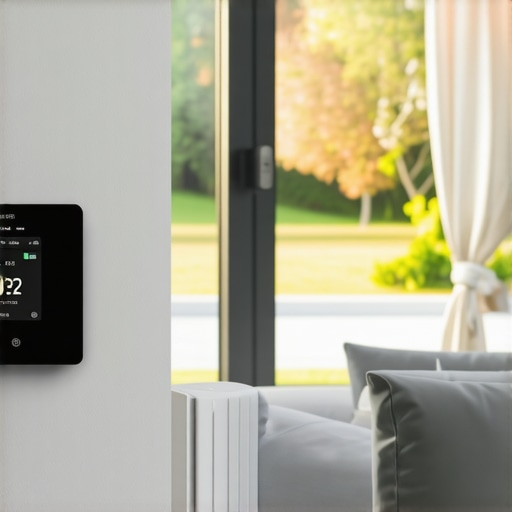
It was late afternoon, and I was sweating buckets under my old, unreliable window AC. No matter how many times I fiddled with the settings, the room stayed uncomfortably warm, and frustration mounted. That’s when I had my lightbulb moment—what if I could teach my smart AC to take care of the heat automatically? Since then, my comfort has skyrocketed, and I realized many of us are missing out on the full potential of smart air conditioning.
Why Smart AC Rules Are a Game Changer for Comfort and Savings
Today, I want to share how adopting just four simple automation rules transformed my summer experience. These rules don’t just keep my room cool—they optimize energy use, reduce utility bills, and make my living space more comfortable without constant babysitting of the thermostat. As someone who has made their fair share of mistakes—like neglecting to set schedules and overrelying on manual adjustments—I can honestly say that smart automation is the secret weapon we all need in 2026. Plus, according to recent studies, smart ACs can cut cooling costs by up to 30% when properly configured. If you’re tired of sweating through the hottest days or overpaying for wasted energy, stick around. I promise you’ll find actionable tips to get the most out of your smart AC setup.
Is the Hype About Automation Worth It?
Early on, I thought setting up automation was complicated and not worth the hassle. I made the mistake of assuming my smart AC would function perfectly out of the box, which led to unnecessary discomfort and higher electricity bills. The truth is, configuring your smart AC with some effective rules is easier than you think—especially when you know what to prioritize. If you’re skeptical, ask yourself: Have I truly maximized the potential of my smart air conditioner? If not, you’re missing out on the convenience and savings that well-designed automation offers.
Now that we’ve addressed the why and cleared up common misconceptions, let’s dive into the practical rules that you can implement today to make your room the perfect temperature, effortlessly. For more insights, you might want to explore how the room cooling landscape is changing, especially with Wi-Fi-enabled smart ACs taking center stage (discover the rise of Wi-Fi smart ACs). Ready to take your comfort to the next level?
Start by choosing a reliable smart home hub or app compatible with your smart AC model, such as the leading options discussed in [these reviews](https://airconditioners.smartappliancereview.com/top-smart-acs-for-every-room-ultimate-cooling-guide-2024). Install the app, create an account, and link your smart AC to this platform. I once struggled because my initial setup was incomplete—forgot to enable cloud access—leading to delayed commands until I fixed the connectivity. Ensure your Wi-Fi is stable and your device firmware is current for seamless control.
Think of your smart AC as a diligent assistant—program it to turn on before you arrive home and switch off after you leave. For example, I set mine to cool the room 30 minutes before I wake up, using rules outlined in [smart AC scheduling tips](https://airconditioners.smartappliancereview.com/ultimate-guide-to-smart-acs-room-cooling-for-2024). This prevents wasting energy during unoccupied hours. Use the app’s automation feature to create rules based on time, temperature, or occupancy sensors for dynamic control. My first attempt was clunky—I set too many conflicting rules—but simplifying to primary schedules made a noticeable difference.
Attach temperature and occupancy sensors in strategic spots, like near your bed or workspace, to provide real-time data to your smart system. This way, the AC adjusts based on actual conditions rather than just room average. Once, I misplaced a sensor behind a curtain, which caused my AC to overcool my otherwise comfortable kitchen—an example of how sensor positioning matters. Proper placement ensures accurate readings and efficient cooling, which you can learn more about in [sensor placement guides](https://airconditioners.smartappliancereview.com/why-your-smart-ac-fails-matter-pairing-3-fixes-for-2026).
Leverage weather APIs or smart home integrations to adapt cooling dynamically. For example, I linked my weather app to my smart AC so that on hot, sunny days, the system pre-cools my apartment and adjusts fan speeds accordingly. This prevents overcooling during peak heat, saving energy. I had to troubleshoot API permissions initially—took a few minutes to resolve—but the effortless comfort afterward was worth it. Detailed instructions are available in [smart AC automation tutorials](https://airconditioners.smartappliancereview.com/smart-ac-technology-in-2025-how-it-transforms-room-cooling).
Accurate sensors are the backbone of effective automation. Place them away from direct sunlight, drafts, or heat sources. I once installed one near my window, but it reported higher temperatures due to sun exposure, causing the AC to run unnecessarily. Moving it to a shaded, central location improved accuracy. Regular calibration by checking readings against a reliable thermometer will prevent misfires. For in-depth guidance, see [sensor calibration tips](https://airconditioners.smartappliancereview.com/why-your-smart-ac-fails-matter-pairing-3-fixes-for-2026).
After initial setup, simulate different scenarios to see how the system responds. I created a test rule to turn off cooling when windows are open, using a sensor and the app’s condition trigger feature. The system worked perfectly—until I forgot to disable the rule when I closed the window, leading to unnecessary energy use. Regularly reviewing logs and making small adjustments ensures your automation remains efficient and comfortable. Remember, fine-tuning is an ongoing process—expect some trial and error, like I went through during my first week of automation.
Many assume that bigger or more powerful air conditioners automatically mean better cooling. However, this misconception overlooks the nuances of room efficiency and moisture control. Oversized units can cool rooms quickly but often lead to excessive cycling, which not only wastes energy but also increases wear and tear on the system. Conversely, undersized units may struggle to reach desired temperatures, causing frustration and higher energy bills. Understanding the importance of proper sizing, considering factors like insulation and room volume, is crucial for optimal performance. Experts recommend conducting detailed heat load calculations—something many skip—to select the right unit. This can make a significant difference, especially when choosing between portable ACs and window units, which serve different needs. For instance, portable ACs excel in flexibility but may be less efficient than dedicated window units for permanent setups. Additionally, many people overlook the importance of correct placement and sealing, which are critical for maximizing cooling efficiency and preventing energy leakage. An air conditioner improperly installed or poorly sealed can lose up to 30% of its efficiency, according to internal efficiency studies. This is especially relevant for window ACs where sealing is often neglected. Moreover, the myth that all ACs are created equal ignores advancements in smart technology. Modern units incorporate sensors and adaptive algorithms that fine-tune operation, drastically reducing unnecessary energy consumption. Fail to leverage these features, and you’ll likely overcool or waste power. The key is understanding that efficiency is not only about BTU ratings but also about smart operation, proper installation, and system maintenance. Are you falling prey to outdated assumptions about room cooling? Let’s dig deeper. Have you ever fallen into this trap? Let me know in the comments.
Maintaining Your Cooling System for Long-Term Performance
To ensure your smart air conditioning setup continues to deliver optimal comfort and efficiency, consistent maintenance is key. Personally, I rely on specific tools and routines that have proven effective over time. Regularly checking and recalibrating sensors with a digital thermometer helps me catch inaccuracies early, preventing unnecessary energy waste. Additionally, I use a microfiber cloth and mild cleaning solution to keep vents and filters clean, ensuring unobstructed airflow. This simple yet effective approach extends the lifespan of my units and maintains their energy efficiency. As technology advances, I predict that future smart ACs will incorporate self-diagnostic features that notify users of maintenance needs proactively, further simplifying upkeep.
How do I maintain my smart AC system over time?
Consistency is the secret. Schedule monthly inspections of filters and sensors. For sensors, I use a portable digital thermometer and compare readings against their device displays, recalibrating if discrepancies arise, as recommended in the technical guides on smart AC troubleshooting articles. For filters, I remove and wash them with warm water and mild detergent, allowing complete drying before reinstalling—this prevents mold and bacteria buildup. Keeping the software up to date is equally critical; I set reminders to check for firmware updates through my smart home app, ensuring the system benefits from the latest enhancements and security patches. Using a reliable Wi-Fi extender (like the TP-Link RE650) has also helped maintain stable connectivity for my smart controls, preventing control disruptions. These small but consistent practices make a significant difference in the longevity and performance of your setup.
For instance, I once overlooked sensor calibration, which caused my system to overcool the room, leading to unnecessary energy consumption. After recalibrating using a trusted digital thermometer, I saw immediate improvements—saving both money and frustration. As our homes become smarter, investing in tools that facilitate routine maintenance pays off. I recommend trying a remote sensor calibration kit or investing in a smart sensor that alerts you when readings drift out of acceptable ranges. These innovations are likely to become standard as the technology matures, making maintenance easier and more precise.
Useful Devices to Keep Your System Running Smoothly
An often-overlooked aspect is using high-quality, durable tools for cleaning and calibration. For example, I swear by a set of ultrasonic cleaning devices for sensitive sensors; they remove dust and grime without damaging delicate components, which you can explore further in expert reviews on smart AC buying guides. Investing in an inexpensive, handheld vacuum with a HEPA filter also helps maintain filters, preventing dust accumulation that hampers efficiency. Additionally, I rely on a Wi-Fi analyzer app to monitor network performance, ensuring that control commands reach your units promptly. This connectivity is crucial, especially when automating routines that depend on external factors like weather updates. As the trend leans toward fully autonomous smart systems, having a set of reliable tools and routine checks will become standard practice for serious users.
What’s Next? The Future of Maintenance
Looking ahead, the integration of AI-driven diagnostics within smart AC units will revolutionize maintenance routines. Expect units to send real-time alerts about component health, suggest troubleshooting steps, or even schedule professional servicing when needed. One emerging trend I find exciting is the use of machine learning to predict system failures before they happen, saving homeowners both money and discomfort. For now, I encourage you to incorporate regular sensor checks and cleanings into your routine. Trying out a digital calibration tool or setting up maintenance alerts in your smart home system are excellent first steps. These small investments in upkeep will pay dividends through consistent comfort and lower energy bills.
Hidden Lessons from My Cooling Journey
One of the biggest revelations I had was realizing that perfect comfort isn’t about the most powerful unit but about smart, intentional automation that responds to real needs. I once believed setting the thermostat manually was sufficient, but automation taught me that anticipating heat, occupancy, and weather conditions creates a more responsive and energy-efficient environment.
I also learned that sensor placement isn’t just an afterthought—it’s the secret to accurate readings and efficient cooling. A sensor behind a curtain or near a window can mislead your system into wasting energy, a mistake I repeatedly made until I understood its importance.
Additionally, I discovered that the simplest rules—like pre-cooling before you arrive home—can drastically reduce energy bills while boosting comfort. Small adjustments to routines, combined with smart rules, add up over time more than I expected.
My Proven Go-To Tools for Smart Comfort
- Smart Home Platforms: I trust [top smart AC platforms](https://airconditioners.smartappliancereview.com/top-smart-acs-for-every-room-ultimate-cooling-guide-2024) because they offer seamless integration with a variety of devices and detailed automation options, making setup straightforward and reliable.
- Sensor Calibration Devices: Regularly verifying sensor accuracy with a digital thermometer ensures my automations respond correctly, saving both energy and frustration. The calibration tools I use give me peace of mind, which is worth every penny.
- Weather API Integrations: Connecting my weather app to my smart AC allows preemptive cooling on hot days. I rely on trusted weather services that provide accurate localized data, making my automation smarter and more reliable.
- Maintenance Kits and Cleaning Tools: Keeping filters and vents clean with the right tools has extended system lifespan and efficiency. I recommend investing in quality brushes and cleaning sprays designed for HVAC equipment—my secret to hassle-free maintenance.
Your Next Step Toward Cooler Living
There’s a world of comfort and savings awaiting those willing to experiment with their smart AC setup. By fine-tuning your automation rules, ensuring sensors are accurate, and maintaining your system properly, you unlock optimal performance. Remember, smart cooling is less about the size of your unit and more about how intelligently it operates—so don’t shy away from exploring innovative features and personalized routines. Start small, learn as you go, and enjoy the cooler, more efficient space you create. What’s one automation tweak you’re excited to try first? Share your thoughts below!