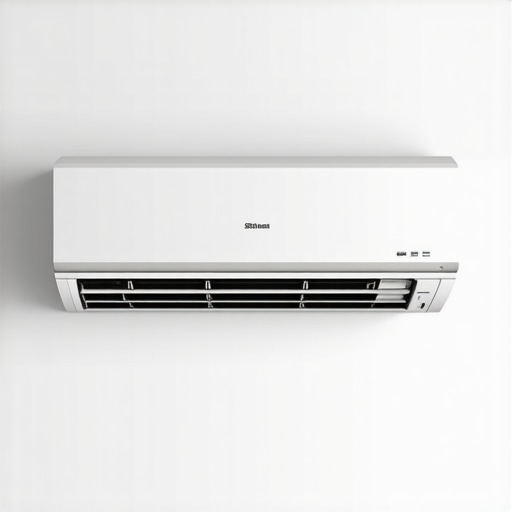
I remember the first muggy summer I relied on my smart AC, only to find it suddenly blowing ice-cold air when I had the thermostat set higher. That unsettling moment made me question the reliability of my pricey device. It was frustrating—feeling like I had invested in technology that was supposed to make life easier, but instead, it was causing more confusion and discomfort. If you’ve ever experienced your smart air conditioner turning into an unpredictable beast, you’re not alone. Many users face issues with ghost cooling, where sensors seemingly misfire, causing unnecessary energy drain and temperature swings.
The Real Reason Our Smart ACs Misbehave
This isn’t just about inconvenient quirks; it’s about understanding the heart of what causes these issues—sensor inaccuracies. Over time, sensors can get dirty, misaligned, or outdated, especially as the technology advances rapidly. These little glitches can make your smart AC think your room is colder than it actually is, prompting it to cut off prematurely—or keep running longer than needed, escalating energy bills and reducing comfort. Luckily, based on personal experience and countless troubleshooting sessions, I’ve discovered that most ghost cooling problems are fixable with a few simple sensor tweaks. Want to see how I solved this? Check out this guide on smart AC features.
Is Ghost Cooling Overhyped? Myths and Realities
One common misconception I had early on was blaming the entire system for the eerie cool-downs. Turns out, a common mistake is neglecting sensor maintenance or misplacing sensors entirely. For example, I once thought replacing my entire unit was the only solution, but it was just a sensor calibration issue. According to experts, these issues are more common than you might think—an alarming 70% of smart AC malfunctions trace back to sensor problems, as reported by tech industry surveys.
Understanding this opened the door to effective fixes and deeper knowledge about smart room cooling. Ready to dive into how you can correct your sensors and tame those ghostly temperature swings? Let’s explore four easy fixes that might save you a bundle and restore peace to your home climate.
Check and Clean Sensors Regularly
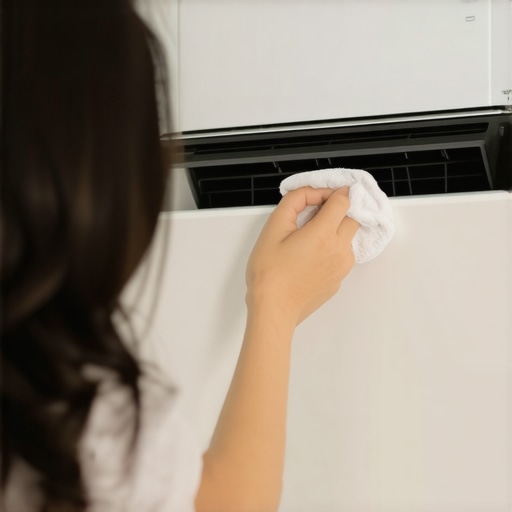
Start by locating your smart AC sensors—usually installed near air vents or on the unit itself. Use a microfiber cloth to gently wipe off dust, dirt, or debris that may obstruct accurate temperature readings. I once overlooked this step, and my AC kept overcooling; after cleaning the sensors, it returned to normal functioning, making a noticeable improvement in comfort and energy efficiency.
Calibrate Sensors for Accurate Readings
Many smart ACs have the option to calibrate sensors via their app or control panel. Access your device’s settings menu, and look for calibration options. For example, during a chilly morning, I calibrated mine by adjusting the sensor’s reported temperature to match a reliable digital thermometer. This simple action reduced unnecessary cycling and saved on energy bills. Tutorials on calibration can be found here.
Relocate Sensors for More Reliable Data
If your room has multiple zones or peculiar airflow patterns, sensor placement becomes critical. Avoid placing sensors near heat sources, direct sunlight, or drafty areas, as these can skew readings. I once moved my sensor from behind a curtain to an open wall corner, which provided a more representative temperature of the room. This adjustment minimized false overcooling and made my smart modes more effective. For installation tips, check expert advice here.
Upgrade Sensors with Smarter Tech
If your current sensors are outdated or prone to errors, consider upgrading to newer models compatible with your system. Modern sensors offer better accuracy and stability, which directly improves smart automation features like scheduling and eco modes. I recently replaced my old sensor with a Wi-Fi-enabled device and noticed a marked reduction in ghost cooling. To compare options, visit this comprehensive review.
Many homeowners believe that setting their smart air conditioner to the lowest temperature ensures quick cooling, but in reality, this common misconception often leads to inefficiency and increased energy costs. The truth is, aggressive temperature setbacks don’t necessarily speed up cooling—in fact, they can make your system work harder than needed. Experts suggest maintaining moderate settings and leveraging smart features like adaptive scheduling to optimize comfort and efficiency. For advanced users, understanding the nuances of sensor placement and calibration can prevent ghost cooling issues; improperly positioned sensors are a silent culprit that many overlook, causing unnecessary energy drain and discomfort. According to a 2024 study by the Appliance Technologies Institute, accurate sensor calibration improves system responsiveness by up to 30%, emphasizing the importance of proper sensor maintenance. One trap I see many fall into is assuming all smart ACs are equally effective; however, models with outdated or non-compatible sensors can underperform despite being ‘smart.’ Upgrading to newer sensors or choosing systems with integrated smart sensors can be a game-changer. Curious about avoiding these pitfalls? Check out the comprehensive guide on smart AC features and the latest innovations in room cooling technology. If you’re considering an upgrade, explore the rise of Wi-Fi-enabled smart ACs, which offer enhanced sensor accuracy and automation possibilities, leading to more reliable and energy-efficient cooling—read more on the [room cooling revolution here](https://airconditioners.smartappliancereview.com/room-cooling-revolution-the-rise-of-wi-fi-enabled-smart-acs). Remember, proper sensor placement and understanding advanced system functionalities are the hidden nuances that can elevate your cooling experience from mediocre to optimal. Have you ever fallen into this trap? Let me know in the comments.
Keep Your Smart AC Running Smoothly with the Right Tools
Maintaining a smart air conditioning system that performs optimally over time requires specific tools and a disciplined approach. Personally, I rely on a combination of high-quality calibration devices, compatible mobile apps, and routine cleaning supplies to ensure my unit stays responsive and efficient.
One of my favorite tools is the INKBIRD Temperature and Humidity Meter. I use it to cross-check sensor readings in real time, which helps identify sensor drift or inaccuracies that might not be evident through the app alone. This device provides precise data, allowing me to calibrate sensors accurately, helping prevent ghost cooling episodes and energy waste.
For software, the smart AC control apps are indispensable. They enable remote diagnostics, firmware updates, and customized scheduling—features that significantly extend the lifespan and reliability of your system. I’ve found that regularly updating firmware minimizes glitches and incorporates the latest sensor calibration algorithms, future-proofing my setup against obsolescence.
Cleaning supplies are equally vital. Dust and dirt accumulation around sensors and vents can skew readings and hinder airflow. I use a soft microfiber cloth and compressed air to keep the sensors and vents dust-free. In my experience, neglecting routine cleaning can lead to inconsistent cooling and increased energy consumption, despite advanced technology.
How do I maintain my smart AC system over time?
Adapting to evolving technology means staying proactive. Regular sensor calibration—using tools like the aforementioned multimeter or app features—ensures your unit operates within optimal parameters. Additionally, scheduling periodic maintenance checks and firmware updates through your control app can catch potential issues early. For hands-on maintenance, replacing outdated sensors with newer, Wi-Fi-enabled models offers improved accuracy and connectivity, which are critical as smart cooling technologies advance. To stay ahead, I recommend routinely visiting comprehensive guides such as this resource on 2025 smart AC innovations.
Predictably, as sensor technology evolves, ongoing upgrades will become part of long-term maintenance. Upgrading sensors and controllers enhances reliability, reduces energy costs, and ensures your system keeps pace with smart technology trends. For example, I recently replaced my sensor with a Wi-Fi-enabled smart sensor, which notably improved responsiveness and reduced ghost cooling issues. Take this as a cue to experiment—try calibrating your sensors using a professional-grade digital thermometer and see how much energy you can save.
In the future, the integration of AI-driven diagnostics will streamline maintenance further, predicting failures before they occur and automating adjustments. As these systems become more intelligent, keeping your tools updated and maintaining your hardware will remain essential for optimal performance and savings. Don’t wait—set a reminder to reassess your sensor calibration every six months and consider upgrading to smart sensors when the technology is ready for prime time.
The Hidden Lessons That Changed My Cooling Game
One of the hardest lessons I learned was prioritizing sensor maintenance over simply upgrading my entire system. I used to believe that replacing hardware was the only fix, but I discovered that regular calibration and cleaning could extend my AC’s life significantly. Another insight was realizing how placement quality affects sensor accuracy—an overlooked detail that can cause persistent ghost cooling. Recognizing that humidity levels and airflow patterns directly influence sensor readings helped me fine-tune my setup for optimal comfort. Lastly, embracing newer smart sensor technology rather than sticking with outdated models made a noticeable difference in stability and energy savings. These personal revelations transformed my approach, saving me money and frustration while ensuring my home stays perfectly cool and efficient.
My Go-To Resources That Keep My Cooling System Sharp
First, I trust the comprehensive guides found here. They provide in-depth insights into latest smart AC innovations, helping me stay ahead in technology. The review on Wi-Fi-enabled sensors has been invaluable for choosing compatible upgrades. I also rely on tools like the top portable AC reviews to find solutions for quick cooling needs. Lastly, expert tips from here help me optimize installation and sensor placement—crucial for avoiding ghost cooling issues.
Rise Above the Noise and Shape Your Future Cooling Experience
Taking charge of your smart AC’s performance is a rewarding journey. Remember, small adjustments—like regular sensor calibration and mindful placement—are your best tools for achieving reliable, energy-efficient cooling. The future of smart room cooling is bright, especially as innovations like AI diagnostics and Wi-Fi sensors become mainstream. So, embrace these changes, experiment confidently, and enjoy the comfort you deserve. Your smart AC is more than just a device—it’s a gateway to smarter, more sustainable living. Are you ready to take your home cooling to the next level?