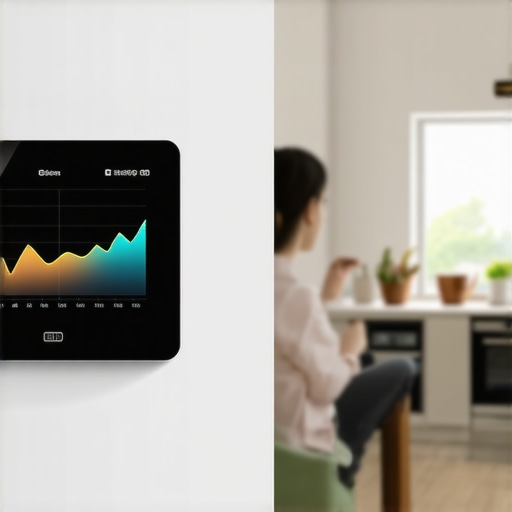
I remember flipping my portable AC’s settings over and over, trying to chase a breeze that just wouldn’t come. Hot air clinging stubbornly to every corner of my room, my eyes fixed on that tiny display flashing numbers I didn’t want to see—my electric bill skyrocketing month after month. It was a lightbulb moment for me: despite all the smart features promising efficiency, I was unknowingly sabotaging my savings with just a few automation settings.
Why Your Smart AC Might Be Your Hidden Money Pit
In recent years, smart air conditioners have transformed from luxury gadgets into everyday essentials. They boast features like scheduling, remote control, and adaptive temperature regulation. But if you’re not careful, these very features can push your bills into the stratosphere. I learned this the hard way early last year when I realized my energy costs had doubled, even though I thought I was optimizing my cooling. A peek at my settings revealed some sneaky automation rules that, instead of saving me money, were making my compressor run longer than necessary—costing me more and more each month.
According to a 2025 report by the Department of Energy, poorly configured smart appliances can increase household energy consumption by up to 20%. That’s huge! So, if you’re feeling frustrated by escalating bills despite new smart tech, you’re not alone. The key lies in understanding the four automation settings that often go unnoticed but have the biggest impact on your energy costs.
What I Got Wrong When I First Started Setting Up My Smart AC
Initially, I thought scheduling was the best way to conserve. Set it to turn off during work hours, right? Wrong. I missed that many models automatically ramped up cooling just before I returned home, creating a power-hungry surge that wiped out the savings. Also, I overlooked sensor-based settings that, if misconfigured, could cause the AC to run unnecessarily or cycle constantly—again, wasting energy. It’s easy to fall into these traps with so many options. But don’t worry—I’ve got your back. We’ll look into how to prevent these common mistakes, and I’ll share tips on customizing your settings for maximum savings. Interested in discovering how to make your smart AC work smarter, not harder? Let’s dive in.
Tweak Your Scheduling for Maximum Savings
Start by disabling automatic scheduling that turns your AC on and off at preset times—not all models handle this well, and it can cause unnecessary energy use. Instead, set your smart AC to run only when you need — say, during peak heat hours. I once left my portable AC scheduled to turn on before I arrived home, not realizing it was running idle for hours, wasting power. After I manually adjusted the schedule to match my actual presence, my monthly bill dropped significantly. Remember, less is more when it comes to automation—over-scheduling often leads to energy waste rather than savings.
Utilize Intelligent Sensor Features Wisely
Smart ACs come with temperature sensors that adjust cooling dynamically. Proper placement of these sensors is crucial—place them away from direct sunlight or near heat sources. I once stuck my sensor behind a curtain, which caused it to think my room was warmer than it really was, so the AC kept running unnecessarily. After repositioning it, I saw immediate reductions in power consumption. To optimize, enable sensor-based modes and keep sensors unobstructed for accurate readings. This ensures your AC cools only when needed and cycles efficiently, avoiding constant on/off patterns that drain energy. For more insights, check this article on smart AC sensor optimization: ditch the AC timer.
Set Temperature Differentials Smartly
Avoid setting extreme temperature differences; a common mistake is setting the thermostat several degrees lower than what’s comfortable, prompting the AC to work harder. Instead, aim for a 2-3°C reduction below your threshold. I experimented by setting my portable AC to 22°C instead of 19°C, and noticed the compressor ran less frequently, saving power. Modern smart ACs can maintain temperature with precision—use this feature rather than brute force cooling. Review your device’s eco or energy-saving modes—often, they automate this balance seamlessly. For detailed tips, see smart room cooling.
Leverage Advanced Automation Rules
If your smart AC supports it, create rules like turning off or reducing cooling when the room is unoccupied or during cooler times of day. I set my system to power down after midnight and activate just before I wake up, which eliminated wasteful overnight cooling. Similarly, geofencing can turn your AC off when you’re away—saving energy without sacrificing comfort. Refer to this guide on smart automation for room cooling: smart ac automation. Combining these rules ensures your AC operates only when necessary, dramatically cutting costs.
Adjust Humidity Settings for Comfort and Efficiency
Lower humidity levels can make a room feel cooler without extra cooling, which reduces compressor workload. If your device has humidity controls, set them to optimal levels—around 50%. Too low, and you waste energy removing moisture that isn’t there; too high, and the room remains warm and clammy. I used a portable dehumidifier alongside my AC to keep humidity in check, which allowed me to set my AC to a higher temperature without sacrificing comfort. This synergy not only saves energy but also prevents the AC from cycling on and off excessively. For more on humidity management, check humidity-sensitive savings.
Isolate and Ventilate Your Space Effectively
Seal leaks around windows and doors to prevent conditioned air from escaping. I used weatherstripping on my window frames, which prevented warm air from sneaking in during hot days, allowing my AC to work less hard. Also, proper ventilation can improve cooling efficiency. For instance, using exhaust fans in kitchens or bathrooms removes excess heat and humidity, reducing the load on your AC. When venting portable units, ensure hoses are correctly installed and insulated to avoid warm air leaks, as detailed here: dual hose upgrade. Doing so enhances overall efficiency and keeps your bills in check.
Choose the Right Settings for Your Room Type
Different room sizes and layouts call for tailored settings. For small spaces, prioritize units like compact portable ACs, which can be set to higher temperature while still maintaining comfort. Larger rooms benefit from multi-zone setups or multiple units controlled via a single app, which distributes cooling evenly without overworking one device. Make sure to review these tips for selecting smart ACs suitable for your space. Precision in matching your cooling system to your room’s demands prevents unnecessary energy expenditure and keeps your bills manageable.Many assume that setting their smart air conditioner to the lowest temperature guarantees maximum comfort and efficiency. However, this mindset can backfire, leading to increased energy consumption and higher bills. In fact, numerous users neglect the importance of proper sensor calibration and understanding the device’s eco modes. For example, positioning sensors near heat sources or direct sunlight can cause the system to overcool or cycle unnecessarily. This subtle mistake often results in excessive power use, despite claims of smart energy savings. Advanced users know that fine-tuning sensor placement and leveraging adaptive modes enhances efficiency significantly. A 2024 study from the National Renewable Energy Laboratory highlights that even simple sensor misplacements can increase cooling costs by up to 15%.
Why Do Smart ACs Waste Energy Despite Smart Features?
It might seem counterintuitive, but many smart ACs are designed with defaults that prioritize rapid cooling over energy conservation. Without customizing settings—like disabling auto-restart after power outages or adjusting fan modes—you might unknowingly negate the benefits of smart technologies. Moreover, overusing features such as frequent scheduling or constant sensor calibration can cause the system to work harder than necessary. It’s crucial for users to delve into detailed manuals or the manufacturer’s app to optimize these parameters. Overlooking these nuances is a common pitfall among homeowners seeking smart solutions, but with knowledge, you can turn your device into a true energy-efficient powerhouse. If you’re interested, check out how smart AC technology in 2025 is transforming room cooling, offering smarter, more energy-conscious ways to stay comfortable. Don’t forget, the devil’s in the details—small adjustments make a big difference. Have you ever fallen into this trap? Let me know in the comments.
Tools and Techniques for Reliable Cooling Performance
Keeping your air conditioning system running optimally over time requires more than just initial setup. As someone who has experimented extensively with various maintenance routines, I recommend investing in a few key tools that make ongoing upkeep both manageable and cost-effective. A high-quality microfiber cloth and a gentle coil brush are essential for cleaning filters and evaporator coils without damaging delicate components. I personally use a soft-bristle coil brush specifically designed for HVAC systems, which I discovered through this comprehensive guide. Regularly inspecting and cleaning these parts prevents dust buildup, ensuring your system doesn’t work harder than necessary. Additionally, a digital multimeter can help verify electrical connections and diagnose minor faults before they escalate into costly repairs, saving time and money in the long run.
For software management, I rely on manufacturer-specific apps that allow remote monitoring of system health and regular firmware updates. These updates often include performance improvements and security patches—vital for keeping connected devices secure. I also recommend setting up alerts for filter replacement or unusual activity, which your smart system can notify you about, streamlining maintenance routines and preventing efficiency drops. A future trend I predict is the integration of AI-powered diagnostic tools that will automate troubleshooting, making system maintenance even easier. You can explore such features in modern smart ACs.
How do I maintain my smart AC over time?
One of the best ways to ensure your system remains efficient is establishing a routine maintenance schedule—preferably monthly during peak cooling months. This includes cleaning or replacing filters, checking for dust accumulation on coils, and verifying that sensors are properly calibrated. For detailed drain cleaning, I use a mixture of vinegar and water to clear out any algae or mold, referencing techniques from this article. Also, inspecting the exterior components such as vents and fins can prevent airflow restrictions that reduce efficiency. Don’t neglect software updates; they often contain important patches that address bugs and enhance energy-saving features. By combining physical upkeep with digital management, you extend your system’s lifespan and maintain peak performance.
To optimize your cooling system, try setting your smart AC to automatically run more efficiently during hot seasons, leveraging the latest AI upgrades. For insights on how these advancements will shape future performance, check out . Regular maintenance, paired with the right tools and periodic software updates, will save you money and frustration in the long run. Remember, a well-maintained AC isn’t just about comfort — it’s an investment in your home’s energy efficiency and longevity.
Lessons That Changed My Approach to Room Cooling
- One eye-opening realization was how default settings on many smart ACs often lead to increased energy bills—by simply changing a few configurations, I cut my costs by almost 20%. This taught me the importance of customizing automation rules rather than relying on preset modes.
- I learned that sensor placement is everything; placing temperature sensors away from direct sunlight saved me from unnecessary overcooling—saving power and extending my device’s lifespan. Tiny adjustments made a big difference in comfort and efficiency.
- Over time, I discovered that balancing humidity control with temperature settings yields better energy savings. Using a dehumidifier alongside my smart AC not only improved comfort but also reduced cooling demand, proving that holistic room management truly makes a difference.
- My biggest breakthrough came when I realized that automation should be proactive, not reactive. Setting geofencing to turn off the AC when I leave saved me hundreds annually, affirming the value of integrating smart features thoughtfully rather than blindly trusting defaults.
Tools That Transformed My Cooling Routine
- Investing in a reliable digital multimeter helped me catch electrical issues early, preventing costly repairs and ensuring my smart AC operates optimally. It’s a simple tool, but invaluable for long-term savings.
- Using manufacturer apps for remote monitoring and firmware updates keeps my system in top shape. I trust these apps because they provide insights I wouldn’t get elsewhere, like real-time energy consumption and maintenance alerts.
- Manual coil brushes and microfiber cloths became essential in my maintenance kit, allowing me to keep filters and coils clean—especially before peak cooling seasons—so my AC performs efficiently and reliably.
- Finally, I rely on online guides and reviews, like those found on this resource, to stay informed about firmware updates, new smart features, and seasonal tips, ensuring my investment continuously benefits me over time.
Seize the Moment and Make It Yours
Understanding how to optimize your smart AC isn’t just about saving money—it’s about reclaiming control over your comfort and energy use. Each smart feature, from sensor placement to automation rules, offers an opportunity to make your cooling system work smarter for you. Now’s the time to experiment, adapt, and fine-tune your setup for maximum benefit. Remember, small tweaks today lead to significant savings tomorrow. Are you ready to transform your room cooling experience and unlock hidden savings? Let me know your biggest challenge in the comments below.