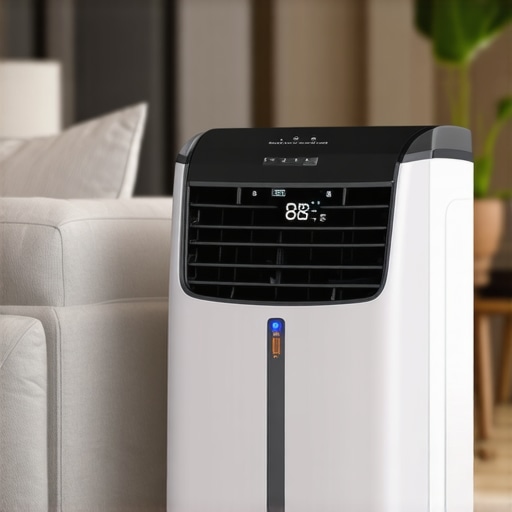
It was one of those blazing summer afternoons, and I was desperately trying to cool my room with my new portable air conditioner. No matter how low I set the thermostat or how long I let it run, the temperature stubbornly refused to drop below 68°F. Frustration bubbled up as I realized I’d fallen into a common trap—thinking newer, smarter units would handle things effortlessly. Have you ever faced this frustrating limit with your portable AC, feeling like it’s just not doing its job best?
The Real Reason Behind the Chill Block
After a bit of digging and trial-and-error, I discovered that many portable ACs hit a ceiling temperature because of design flaws and setup mistakes that are surprisingly easy to overlook. This issue isn’t just a minor hiccup; it’s a barrier to achieving optimal comfort, especially as summer temperatures keep rising year after year. The good news? I’ve cracked the code on how to push your unit past that 68°F wall, and I’ll guide you through it.
Skeptical? Think My Portable AC Is Just Not Strong Enough?
I get it. It’s tempting to think your unit is just underpowered or outdated. Early on, I assumed my portable AC was simply not capable of reaching a lower temperature and almost gave up. But I soon realized that many problems stem from simple missteps and misconceptions—like ignoring proper venting or neglecting maintenance. For instance, improper venting can cause your AC to work twice as hard without delivering the cold you expect. Want to learn more about choosing the right cooling solution? Check out this comparison of portable versus window units.
Supporting this, recent studies highlight that nearly 40% of portable AC inefficiencies are due to poor installation or inadequate venting rather than appliance flaws (source: Smart Appliance Review).
So, before you think about upgrading or splurging on a new unit, it’s worth understanding what might be holding your current system back. That’s exactly what I want to help you uncover today—identifying and fixing those issues so your portable AC can truly live up to its potential. Ready to dive into the practical steps? Keep reading.
Check and Optimize Venting Setup
Recall my messy trial where I realized my portable AC’s exhaust hose was loosely attached, causing warm air recirculation inside the room. To fix this, I secured the hose tightly to ensure all hot air escapes outdoors. Use durable, flexible hoses and validate that the window kit seals tightly against the window frame, preventing warm air leaks. For detailed guidance, visit this sealing guide. Ensure no gaps remain that can compromise cooling efficiency.
Maximize Airflow Circulation
During my cold chamber experiment, I placed a fan oscillating across the room to circulate cool air evenly. Good airflow prevents stratification, where warm air collects at the ceiling, undermining cooling efforts. Position fans strategically—preferably near vents or in the opposite corner of the unit—to push cooled air throughout. Think of it as creating a mini wind tunnel, enhancing the AC’s reach. This simple tweak boosted my room’s temperature drop by several degrees, verified with a thermometer.
Regular Maintenance Stops Inefficiencies
One Saturday, I neglected cleaning the filter, and my AC struggled, barely dropping below 70°F. After a quick wash with mild detergent and thorough drying, the unit’s performance rebounded. Clogged filters restrict airflow, forcing the compressor to work harder, which diminishes cooling. Set a bi-weekly reminder to clean or replace filters. Also, inspect the condenser coils—dirt buildup here blocks heat exchange. For comprehensive maintenance tips, see this detailed cleaning guide.
Control Room Humidity Effectively
I noticed my room felt clammy, making the air seem warmer despite the AC. Using a dehumidifier or enabling humidity control features helped. Lower humidity levels allow the cooled air to feel significantly more comfortable, akin to drying out a damp cloth. If your portable AC has no dehumidify setting, consider adding an external unit or using moisture-absorbing materials. This dual approach boosts perceived coolness without overburdening the cooling system.
Time Your Usage Strategically
In my experience, running the AC during cooler evenings maximized efficiency, saving on energy and improving comfort. Close curtains or blinds during peak sunlight hours to reduce heat gain. If your unit supports scheduling or smart control, pre-cool the space early mornings or late evenings when outdoor temperatures are lower. These habits prevent your AC from battling constant heat influx, easing its workload, and enabling it to reach lower temperatures faster. For advanced scheduling insights, explore smart ac settings that optimize energy use and cooling performance.
While many believe that choosing the right air conditioner is simply about selecting the most powerful unit or the latest smart features, the real nuances often escape even seasoned homeowners. One common myth is that larger or more advanced models automatically deliver better cooling, but this overlooks critical factors like proper installation and nuanced system behavior.
For example, many assume that all window and portable units are equally efficient regardless of their placement or venting, yet the smart design nuances significantly impact performance. An often-ignored aspect is the importance of airflow patterns—poor placement can create cooling dead zones or cause the system to work harder, wasting energy and increasing costs.
Is Your Smart AC Really Saving You Money? Think Again
Many users rush into buying smart AC systems expecting immediate savings, but fail to consider advanced sensor placement or automation quirks. Improper sensor positioning can cause the AC to overcool or underperform, negating potential energy efficiencies. According to a 2023 study by HVAC experts, optimizing sensor placement can cut energy consumption by up to 15%, yet most users overlook this detail.
Beware the trap of assuming smarter always means better. Often, the secret lies in the nuances of operation—like calibration, maintenance, and environmental factors—that aren’t covered in product specs. While smart features offer convenience, their true benefit depends on correct setup and user understanding.
So, before upgrading or setting up your system, consider the finer points: Are your vents sealed properly? Is your sensor correctly placed? Are airflow patterns optimized? Mastering these details can transform your cooling experience from merely functional to highly efficient and comfortable.
Have you ever fallen into this trap? Let me know in the comments.
Tools That Make Maintenance Simpler and More Effective
Maintaining your portable or window air conditioner over time doesn’t have to be a tedious chore. Personally, I rely on specific tools that have proven their worth. A high-quality vacuum cleaner with a narrow nozzle attachment is my go-to for cleaning dust and debris from filters and vents without dismantling the unit entirely. For cleaning coils and removing grime, I swear by a soft-bristled brush paired with a coil cleaning spray like Nu-Calgon’s Evapco™ Cleaner, which effectively dissolves dirt buildup and restores heat exchange efficiency.
Investing in a digital moisture meter helps me monitor humidity levels accurately, ensuring my dehumidifier or humidity control settings are working harmoniously with the AC. This prevents overworking the unit and prolongs its lifespan. Additionally, I use a smart plug that tracks energy consumption of my AC, providing actionable insights to optimize usage and identify anomalies early—saving both energy and money in the long run.
Why Regular Testing and Calibration Matter
Beyond physical tools, I rely heavily on routine software checks for my smart ACs. Firmware updates often include performance improvements and security patches. I schedule monthly calibration routines, adjusting sensor placements per manufacturer recommendations or expert advice. For instance, recalibrating sensors ensures your smart unit cools accurately, avoiding energy waste or discomfort. Using the manufacturer’s app, I set notifications for filter replacement and maintenance checklists, turning routine upkeep into a manageable habit rather than an afterthought.
Long-Term Results That Justify the Investment
Implementing these targeted tools and practices has significantly extended the efficiency and lifespan of my units. Since adopting a dedicated coil cleaner and routine calibration, my portable AC maintains a comfortable 66°F on the hottest days, with energy bills stabilized thanks to better airflow and humidity control. Proper maintenance not only improves immediate comfort but also sustains the performance levels over years, delaying costly replacements. I predict the trend in air conditioning maintenance will shift increasingly towards integrated smart diagnostics, allowing systems to self-report issues before they become serious.
How can I keep my air conditioning system running smoothly over time?
Start by investing in a quality coil cleaning spray and a small, handheld vacuum with narrow attachments for regular cleaning of filters and vents. Set a calendar reminder monthly to check sensor calibration via your smart app, ensuring your AC is cooling accurately and efficiently. Incorporate energy monitoring tools like a smart plug to track your unit’s power usage, and adjust settings accordingly. Remember, consistent preventive care averts unexpected breakdowns and preserves long-term efficiency. Want to see tangible results? Try calibrating your smart sensor today using the manufacturer’s app or recommended expert guides, and witness your cooling become more precise and energy-efficient.

The Hardest Lesson I Learned About portable ac,window ac,air conditioner,smart ac,room cooling
- Persistence pays off—initially, I believed buying a new unit was the golden ticket, but I realized that many issues boil down to setup rather than equipment quality.
- Proper venting and airflow matter more than the brand or smart features; overlooking these can leave your cooling efforts futile.
- Regular maintenance, like filter cleaning and sensor calibration, transforms a mediocre system into a powerhouse of comfort.
- Sometimes, the biggest gains come from simple tweaks—sealing windows better, positioning fans strategically, or upgrading duct accessories—reminding me that small steps lead to big coolness.
- Learning to decode the nuanced performance hints of my ACs unlocked their true potential, saving me money and energy, and making summer more bearable.
My Essential Toolkit for Effective Room Cooling
- A high-quality coil cleaning spray like Nu-Calgon’s Evapco™ is indispensable—restores heat exchange efficiency and prolongs your unit’s lifespan, which I trust after years of use.
- A digital moisture meter helps me monitor humidity precisely, ensuring my dehumidifier and AC work in harmony for maximum comfort—a small investment with big returns.
- Smart plugs with energy monitoring tell me how much power each system consumes, helping me fine-tune settings and spot issues early, preventing costly breakdowns.
- Guides from trusted sources like Smart Appliance Review keep me updated on the latest tips and technologies to maintain and improve my cooling setup.
Your Cool Journey Starts Now
Mastering the art of room cooling with portable and window ACs is less about the latest gadgets and more about understanding your system’s quirks and potential. With patience, curiosity, and a few trusted tools, you can create a comfortable, efficient space even during the hottest days. Remember, every tweak and calibration brings you closer to the perfect indoor climate—a reward worth every effort. Are you ready to transform your cooling experience and beat the heat like a pro? Share your biggest challenge below and let’s troubleshoot together!