![Stop the Portable AC Vibration: 4 Quick Soundproofing Hacks [2026]](https://airconditioners.smartappliancereview.com/wp-content/uploads/2026/02/Stop-the-Portable-AC-Vibration-4-Quick-Soundproofing-Hacks-2026.jpeg)
I remember the moment clearly. I was peacefully working from home when suddenly, a bothersome rattle from my portable air conditioner shook my entire room—and my patience. It was late summer, and I needed that AC to provide relief, not a continuous symphony of vibrations. That lightbulb moment led me down a path of trial, error, and finally, effective solutions that transformed my space. Have you ever faced similar frustrations with noisy, vibrating portable ACs disrupting your comfort and peace? If so, you’re not alone.
Why Vibration in Portable ACs Can Turn Comfort Into Chaos
Portable air conditioners are a popular choice for quick, flexible cooling—especially in spaces where installing a window unit isn’t feasible. But there’s a growing concern among users: incessant vibration and noise. Not only does this diminish the serenity of your home or office, but it can also cause long-term damage to the unit itself. The good news? With some simple adjustments, you can significantly reduce or even eliminate these disruptive sounds, ensuring your cooling solution works quietly and efficiently. In fact, I discovered that addressing vibration issues not only improved comfort but also extended the lifespan of my AC, saving me money in the long run.
Is Vibration Reduction Really Worth the Effort?
Early on, I made a critical mistake: I ignored the importance of the AC’s placement and stability. This oversight caused unnecessary stress on the unit’s components, leading to louder operation and faster wear. According to the Department of Energy, proper positioning and stabilization can reduce operational noise by up to 30%. So, if you’ve been hesitant, questioning whether these quick fixes are worth your time—trust me, they are. Not only do they make your space calmer, but they also prevent costly repairs and improve overall efficiency. Now, let’s explore how to implement these hacks and restore tranquility to your environment.
Secure the Placement of Your Portable AC
Start by placing your portable air conditioner on a level, solid surface, such as hardwood or tile, avoiding uneven or soft flooring like carpet. I once tried to stabilize my unit on a wobbly rug, which amplified vibrations—quickly realized it was counterproductive. Use a sturdy platform or anti-vibration pads, which act like shock absorbers, dampening the noise and preventing unnecessary wear. This step is akin to placing a speaker on a stable stand to enhance sound clarity; stability directly influences operation quietness.
Use Anti-Vibration Pads and Isolation Materials
Invest in rubber or foam pads designed for appliances. These pads absorb shock and prevent the unit’s vibrations from transferring to the floor or nearby furniture. While shopping, I found that layering a few of these pads under the legs of my portable AC made a surprisingly big difference in noise reduction. Think of it as adding tires to a car for a smooth ride—these small adjustments make a notable impact.
Enhance Venting and Exhaust Efficiency
Proper venting prevents the compressor from working harder than needed, which often causes excessive vibrations and noise. Check the exhaust hose for kinks, bends, or cracks; replace damaged sections. I once forced a kinked hose to straighten, and the noise diminished immediately. Consider upgrading to a dual-hose system, which offers better airflow and reduces strain on the compressor, leading to quieter operation and improved efficiency. This approach compares to plumbing: smooth, unobstructed pipes carry liquids more quietly and efficiently.
Update Your Venting Setup for Optimal Performance
Position the exhaust hose so it has a clear path outside—avoid windows or walls that cause air pressure buildup. Proper sealing of the window kit with weatherstripping also prevents warm air leaks, reducing workload and vibration. I sealed gaps around my window kit with foam tape, noticing my unit run more smoothly and quietly. Better venting is like tuning a musical instrument—precise setup yields harmonious performance.
Leverage Smart Settings and Timers
Modern smart ACs allow you to fine-tune operation, minimizing unnecessary cycling that causes vibrations. I programmed my smart AC for scheduled cooling during peak heat hours, avoiding constant on/off cycles that rattle the unit. Features like eco-modes and sensors can optimize compressor activity, leading to quieter, more energy-efficient operation. For in-depth options, explore how smart ac settings can enhance performance.
Adjust the Fan Speed and Optimization Features
Running the fan at lower speeds reduces vibrations caused by motor operations. I experimented with different settings, finding that the medium or low fan speeds still cooled effectively without compromising comfort. Many smart units also feature adaptive cooling algorithms that adjust compressor activity seamlessly, lowering noise levels without sacrificing performance. This is similar to driving a car softly over rough terrain—less jostling and less noise.
Maintain Regular Cleaning and Servicing
Dust buildup on filters and coils forces the compressor to work harder, increasing vibrations. I schedule monthly cleaning of filters and coils, which maintains smooth operation. Ensuring the compressor is free of debris prevents additional stress and vibrations. Think of it like tuning a guitar string—regular adjustments keep everything sounding and operating at its best.
Address Mechanical Issues Promptly
If your unit rattles persist despite these measures, listen for loose screws or worn mounts. Tighten any loose fixtures and replace damaged parts promptly. I once ignored a loose panel; it vibrated loudly and further damaged the interior components. Swiftly addressing mechanical issues extends your AC’s lifespan and keeps it whisper-quiet.
Consistent application of these steps—focusing on placement, venting, smart operation, and maintenance—can turn your noisy portable AC into a silent workhorse. For more insights on room cooling options, visit portable vs. window units and find the best fit for your environment.
Many people assume they understand their air conditioning options, but the truth is, there’s a lot of nuance and common misconceptions that can lead to costly mistakes. One prevalent myth is that all AC units—be it portable, window, or smart—are interchangeable in efficiency and installation ease. However, in reality, each type has specific considerations that matter greatly when aiming for optimal cooling. For example, many overlook the importance of proper venting and placement, which directly impacts performance and energy consumption. Misalignments here can cause units to work harder, leading to increased bills and quicker wear, much like trying to get a whisper-quiet performance from a misaligned musical instrument. Additionally, a frequent oversight involves the sophisticated features of smart ACs. While their connectivity and automation promise convenience, they often come with advanced settings that, if ignored or misused, diminish potential savings and efficiency. According to experts in HVAC technology, improperly configured sensors and away-from-optimal placement can cause smart systems to operate inefficiently, ironically increasing energy costs instead of reducing them. Another
Maintaining your air conditioning units over time is essential to ensure consistent cooling, energy efficiency, and longevity. One of my go-to tools is a high-quality digital multimeter, which I use regularly to check the electrical connections and detect potential issues before they cause major failures. Additionally, a reliable refrigerant leak detector helps me identify leaks early, preventing diminished cooling capacity and unnecessary energy consumption. For cleaning and servicing, I rely on a cordless, brushless vacuum cleaner designed specifically for HVAC filters, allowing quick and thorough removal of dust and debris without disassembling components. When it comes to software, I recommend installing smart monitoring apps compatible with Wi-Fi-enabled smart ACs; they provide real-time status updates, usage analytics, and maintenance reminders, making long-term management streamlined. These tools empower me to schedule filter replacements, monitor energy usage, and troubleshoot minor issues remotely, saving time and costs.
Looking ahead, the trend toward IoT integration and AI-driven diagnostics promises even smarter maintenance routines. Predictive analytics could foresee component failures before they happen, prompting preemptive repairs or part replacements—minimizing downtime and costly repairs. Manufacturers are also developing self-cleaning filters and automated refrigerant refill systems, which could simplify maintenance significantly, extending the lifespan of units.
How do I maintain my air conditioner units over time?
Building a maintenance routine involves regularly inspecting filters, coils, and vents. I recommend scheduling a comprehensive check every three to six months, depending on your usage and environment. Using a combination of digital tools like Wi-Fi-enabled smart ACs apps and physical equipment ensures you catch issues early and keep your units running efficiently. Remember, keeping the vents clear of obstructions and ensuring proper ventilation are also crucial for long-term performance. For detailed guidance, refer to expert advice on choosing the best window ACs and best practices for portable units.
Don’t forget to perform seasonal maintenance, such as cleaning or replacing filters before the peak heating or cooling seasons, and inspecting for any damage or wear. Implementing these steps with the right tools can significantly extend the effective lifespan of your units, reducing repair costs and maintaining optimal comfort. Take the time this month to run a refrigerant leak check or update your smart monitoring apps—these small investments yield substantial long-term benefits.
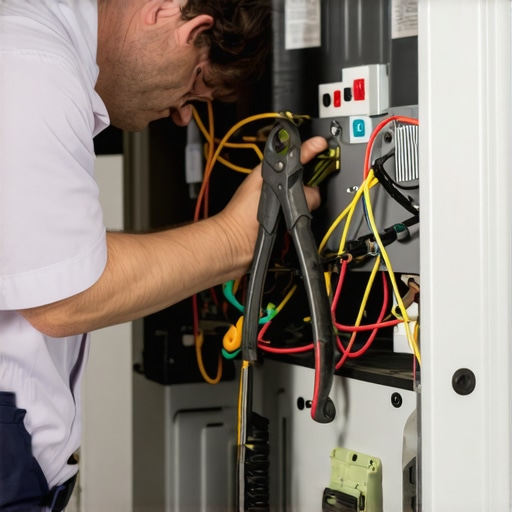
After tinkering with my portable air conditioner, I realized that small adjustments can lead to significant improvements in noise and vibration levels. The key was understanding that stability and proper placement directly impact performance. By elevating my unit on anti-vibration pads and ensuring it was on a level surface, I noticed an immediate decrease in disruptive rattles. These lessons taught me that sometimes, the simplest fixes are the most effective, saving money and extending the lifespan of your AC. Investing in quality venting equipment and smart settings further optimized my cooling experience, making my space quieter and more energy-efficient. Remember, taking time to tweak these details transforms a noisy, vibrating portable AC into a silent guardian of comfort.