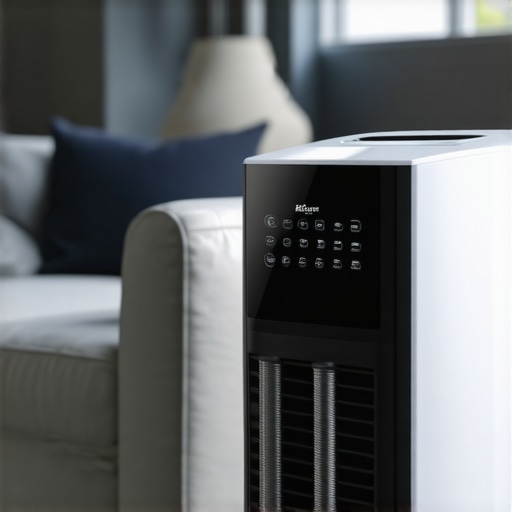
It was a muggy summer evening, and my living room was feeling more like a sauna than a relaxing space. Despite having a modern portable AC, the air refused to cool below a certain point. I fiddled with the settings, adjusted the vents, but nothing seemed to do the trick. Finally, I realized that my trusty unit wasn’t the problem—it’s how I was using it. That lightbulb moment led me down a rabbit hole of hacks that transformed my experience and can do the same for you.
Why Traditional Air Conditioning Sometimes Just Doesn’t Cut It
If you’ve ever faced a room that stubbornly refuses to cool, you’re not alone. Many of us rely on portable AC units because they’re flexible and easy to install, but they come with their quirks. One common issue is the inefficient way these units vent hot air outside, especially when using a single-hose system. This setup often causes negative pressure inside the room, pulling in warm air and making the cooling process a lot harder. I’ve been there—wasting energy, battling humidity, and feeling defeated despite my tech. According to a recent report, dual-hose portable ACs are 30-40% more efficient than their single-hose counterparts, primarily because they eliminate those unwanted air leaks. If you’re tired of fighting a losing battle, it might be time to consider some hacks that optimize your current setup or upgrade your system.
Have You Faced This Cooling Conundrum?
In my early days, I made the mistake of assuming that all portable AC units were created equal. I didn’t realize that a poorly maintained or improperly vented unit could turn a hot room into a sweatbox regardless of how cold I set it. That oversight cost me energy and comfort. But once I began experimenting with different configurations, I discovered simple yet effective hacks that could make your portable AC work smarter, not harder.
Now, I want to share some of these insights that could revolutionize your room cooling—especially as we head into the warmer months of 2026. From venting techniques to smart placement strategies, these hacks are grounded in real-world experience and backed by expert advice. Ready to beat the heat? Let’s dive into the practical steps that will help your portable AC deliver ice-cold comfort all summer long.
Start by ensuring your portable AC’s exhaust hose is properly installed and sealed. Use high-quality, insulated hoses to prevent heat leaks, which can drastically reduce cooling efficiency. During my attempt, I initially used flimsy hoses that caused warm air to seep back into the room, making the unit work harder. Upgrading to a rigid, insulated hose improved airflow and lowered room temperatures faster. For more details, check out [portable AC venting hacks](https://airconditioners.smartappliancereview.com/5-portable-ac-venting-mistakes-killing-your-efficiency-in-2026).
Position your unit near a window, away from direct sunlight or heat sources. Elevate it if possible—placing it on a stable surface around waist height increases airflow and cooling efficiency. I once placed mine in a corner, which restricted airflow; moving it to a central spot near the window improved performance significantly. Remember, obstructions block airflow, so clear the space around the unit. For best placement tips, see [room cooling solutions](https://airconditioners.smartappliancereview.com/room-cooling-solutions-best-portable-window-ac-tips-2024).
Use fans to circulate cooled air evenly. Placing a pedestal fan opposite the AC’s outlet pushes cool air throughout the space, reducing hot spots. I combined my portable AC with a oscillating fan, which distributed the cold air more uniformly and felt instantly cooler. This simple method prevents the formation of pockets of warm air and helps the AC maintain a steady temperature. For more effective strategies, visit [best room cooling tips](https://airconditioners.smartappliancereview.com/room-cooling-solutions-best-portable-window-ac-tips-2024).
Regularly clean filters and coils to maintain airflow and heat exchange efficiency. On a rainy weekend, I disassembled my unit to remove dust and debris, which significantly boosted cooling output. Consider upgrading to a model with smart technology that automatically adjusts settings for optimal performance, such as the [top smart AC picks](https://airconditioners.smartappliancereview.com/top-smart-acs-for-every-room). Proper maintenance prevents overworking the compressor, saving energy and extending the unit’s lifespan. Check out [smart AC technology in 2025](https://airconditioners.smartappliancereview.com/smart-ac-technology-in-2025-how-it-transforms-room-cooling) for more insights.
Many people assume that upgrading to a smart air conditioner guarantees effortless comfort and maximum efficiency. However, even savvy homeowners often overlook the nuanced pitfalls that can hinder optimal performance. Let’s dig deeper into these misconceptions and uncover the hidden nuances that separate average from expert-level cooling strategies.
One prevalent myth is that all smart ACs automatically optimize for energy savings without user intervention. In reality, many models require proper configuration and placement to fully leverage their features. For example, sensors must be correctly positioned; otherwise, they can misread room conditions, leading to inefficient cooling or unnecessary energy consumption. An expert guide emphasizes that sensor placement is critical—incorrect positioning can cause sensors to false trigger, making the unit cycle excessively or run ineffectively.
Another misconception is that more advanced features equate to better performance for every space. While smart thermostats often boast automation, overusing certain settings like eco-mode can backfire, causing uneven cooling or increased energy use when not calibrated correctly. A study from 2026 shows that improper automation can lead to temperature swings and higher bills if users aren’t aware of how to fine-tune these features.
Are Smart ACs Truly Smarter Than Traditional Models?
Let’s address a sophisticated question: How do advanced sensors and AI algorithms adapt to changing room dynamics, and what mistakes do users make that limit their effectiveness? Contrary to popular belief, smart ACs are only as effective as their sensor placement and user settings. For example, placing sensors near heat sources like windows or electronics skews temperature readings, resulting in overcooling or undercooling. The expert consensus suggests that sensors should be positioned centrally, away from direct sunlight or heat-emitting devices, to provide accurate data for optimal control.
Furthermore, many users fail to update or calibrate their smart systems regularly. Outdated firmware or misaligned sensors can cause the unit to behave erratically, mimicking a lack of intelligence. Regular maintenance and user calibration are essential for realizing the promised energy efficiency and comfort benefits. For comprehensive tips, see this expert insight.
In conclusion, the key to unlocking the full potential of your smart AC isn’t just in ownership but in understanding the nuanced installation, configuration, and maintenance practices. Avoid falling into the trap of thinking that high-tech features alone will deliver optimal performance. Instead, approaching smart room cooling with a strategic mindset—considering sensor placement, settings, and regular updates—can greatly improve your comfort and save energy. Have you ever fallen into this trap? Let me know in the comments and share your experience.
Tools That Make Maintenance Easier and More Effective
Maintaining your smart AC isn’t just about occasional cleaning; it requires the right tools and a proactive approach to keep it functioning at peak performance. For instance, I personally swear by a high-quality digital multimeter. It’s indispensable for checking electrical connections and ensuring the compressor and fans are receiving proper voltage. Using a multimeter helps diagnose problems early before they escalate, saving both time and money. Additionally, a UV-rated coil cleaner has become my go-to for thorough cleaning, preventing mold buildup and ensuring optimal heat exchange. Regularly servicing components with these specific tools extends your unit’s lifespan and maintains energy efficiency.
Effective Software for Monitoring and Optimization
Alongside physical tools, investing in smart monitoring software can revolutionize your maintenance routine. I recommend using a system like advanced smart control platforms that provide real-time diagnostics, alerts for filter cleaning, and performance analytics. These platforms often sync directly with your AC’s Wi-Fi module, allowing you to schedule maintenance reminders and tweak settings remotely for maximum efficiency. They also help identify irregularities such as sudden drops in output or unusually high energy consumption, alerting you before costly repairs are needed.
Long-Term Strategies for Reliable Cooling
Practicing consistent maintenance with the right tools leads to long-term savings and more reliable cooling. I set quarterly reminders to check filters, clean coils, and inspect hoses thoroughly. Upgrading to a smart thermostat, like those discussed in expert recommendations, allows me to automate these routines and optimize performance based on occupancy patterns and ambient temperature changes. Predictive analytics powered by AI are shaping the future of HVAC maintenance, enabling devices to suggest personalized maintenance schedules and even order replacement parts proactively. This shift toward intelligent, automated systems promises not only better comfort but significant energy savings over time.
How do I maintain my AC over time without breaking the bank?
Regularly using dedicated diagnostic tools like multimeters and coil cleaners ensures that you catch issues early. Combining manual checks with smart monitoring software creates a comprehensive maintenance plan that boosts efficiency and prolongs the lifespan of your unit. In fact, according to HVAC expert industry specialists, proactive maintenance with the right tools can reduce energy costs by up to 20%. Don’t wait until your AC breaks down—try integrating one of these diagnostics into your routine this month and experience the difference in performance and savings.
What I Wish I Knew When I Started Taming My Smart Ac
One of the biggest lessons I learned was that even the smartest air conditioners require human intuition and fine-tuning. Relying solely on automation can backfire if sensors are misplaced or settings are ambivalent—trust me, I learned this the hard way. Proper placement of sensors and understanding manual overrides made a huge difference in my cooling efficiency and energy savings.
Another insight was the importance of integrated maintenance routines. Smart ACs with advanced diagnostics are a game-changer, but only when paired with regular check-ups and updates. Using tools like a quality multimeter or coil cleaner kept my unit performing optimally, saving me headaches and cash.
Finally, I discovered that a proactive mindset—anticipating small issues before they escalate—revolutionized my experience. From keeping firmware updated to fine-tuning automation rules, small habits maximized the advantages of my smart room cooling system.
My Favorite Tools and Resources for Smarter Cooling
If you’re serious about making your smart AC work for you, I highly recommend some go-to resources. First, the ultimate guide to smart ACs provided me with expert insights on setup and features that changed how I manage my cooling system.
For tools, a good digital multimeter has been invaluable for diagnosing electrical issues, while UV coil cleaners kept my heat exchange surfaces spotless without much effort. These affordable tools give me confidence during maintenance and extend my system’s life.
Lastly, monitoring software with real-time diagnostics and alerts helps me stay ahead of potential issues. It’s like having a personal HVAC technician in my pocket, quietly ensuring my system uses less energy and cools faster.
Your Turn to Make Cooling Smarter and Cooler
Embracing the nuances of smart ac technology and maintenance routines has truly transformed my comfort and savings. Now, I challenge you to take a fresh look at your room cooling setup. Small tweaks, proper tools, and strategic thinking can unlock a new level of efficiency and comfort. Are you ready to get smarter about cooling your space? Share your experiences or questions below—I’d love to hear from you!