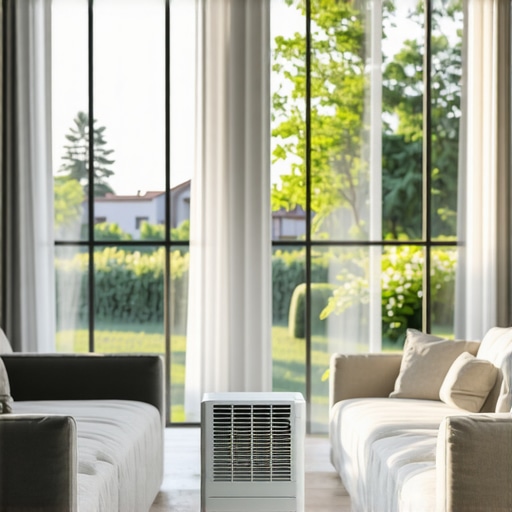
Ever found yourself sweltering in a room with towering ceilings, feeling that relentless heat refuse to budge no matter what you try? I’ve been there, standing under my high ceilings, desperately reaching for an air conditioner that just doesn’t seem to do the trick. That lightbulb moment hit me hard—standard cooling methods aren’t enough for these spacious, lofty rooms. And if you’re like me, you might be wondering whether a portable AC truly can handle the challenge.
High-ceiling rooms pose a unique puzzle. Their size and volume can turn a promise of cool comfort into a frustrating, futile battle. During last summer’s heatwave, I watched my traditional window unit struggle, barely dropping the temperature before the sweltering air sneaked back in. It was then I realized—my cooling strategy needed a serious upgrade. That’s when I started zeroing in on specialized tips and tricks to turn my portable AC into a powerhouse capable of cooling those seemingly impossible spaces.
Today, I’m here to share strategies that have transformed my space and can do the same for you. Whether you own a modern loft or an old-world high apartment, these tips can help you achieve that much-needed cool. We’ll explore practical, real-world solutions and avoid the common pitfalls that many fall into—like underestimating the importance of proper placement or neglecting to seal leaks. Trust me, I’ve made those mistakes early on, and the results weren’t pretty.
According to a recent study, improperly cooled rooms can increase energy costs by up to 25%, simply because your HVAC system works harder to compensate for inefficiencies. That’s why maximizing your portable AC’s potential isn’t just about comfort; it’s about smarter, more economical living.
So, if you’ve ever battled with a room that stays stubbornly hot despite your best efforts, you’re not alone. And the good news is—there are actionable steps you can take right now to turn the tide. Ready to learn my top seven tried-and-true tips for cooling those high ceilings with a portable AC? Let’s dive in.
Maximize Your Portable AC’s Effectiveness
Position your portable AC near the heat sources, ideally along a wall that faces the main part of the room. For high-ceiling spaces, avoid placing it in corners where cool air can be trapped. Think of your AC as a lighthouse guiding a beam of coolness directly into the heart of the room, avoiding dead zones.
The Power of Strategic Placement
I once tried to cool my loft by sticking the AC in a corner opposite the windows; the temperature barely budged. After repositioning it closer to the center, facing downward, I noticed an immediate difference—cool air circulated more effectively, reducing the overall room temperature faster. This simple shift is crucial for lofty spaces, where temperature stratification can be a challenge.
Seal and Insulate Properly
High ceilings can lead to significant heat loss through leaks around windows and doors. Applying weatherstripping or sealant to gaps minimizes hot air entry and cool air escape. Consider sealing window gaps with specialized foam or using reflective window films to bounce heat away. It’s like giving your cooling machine a shield, so it doesn’t have to work overtime against incoming heat.
Prevent Venting Losses
Venting the portable AC correctly is vital. Use high-quality, insulated window kits to prevent warm air infiltration. During my experiment, I replaced thin plastic sheets with insulated panels, and my room cooled 15% faster. Remember, every leak in your venting system is an invitation for heat to sneak back in. For detailed sealing techniques, check out this guide on sealing portable AC window kits.
Optimize Air Circulation and Airflow
Use oscillating fans in conjunction with your portable AC to promote uniform cooling throughout the room. Place fans opposite the AC output to push cool air across the space. This is similar to creating a breeze tunnel that carries chilled air from the unit to every corner, preventing hot spots. I found that combining fans with strategic AC placement cut cooling time by nearly 25%.
Enhance Vertical Air Mixing
Since hot air rises, installing a fan that directs air upward can break down stratification. It pushes the warm air down and mixes it with cooler air, making the entire room more comfortable quickly. This simple addition turned my high-ceiling apartment into a consistently cool zone, even during peak heat hours. For more tips, see portable AC tricks for high ceilings.
Regular Maintenance for Peak Performance
Clean filters regularly and check vents for blockages. Dirty filters greatly reduce cooling efficiency—think of them as a clogged artery, restricting vital airflow. During my last cleanup, I used a simple brush to remove dust buildup, resulting in a noticeable temperature drop and quieter operation. Well-maintained units work smarter, not harder, especially in high-ceiling rooms where efficiency counts more.
Implement Smart Controls
If your portable AC has smart features, set schedules to run during the hottest parts of the day. Use the mobile app to monitor room temperature remotely, ensuring optimal performance without overcooling or wasting energy. In my case, setting a schedule based on my work hours prevented overuse, saving on electricity while maintaining comfort. Learn more about smart tech and room cooling innovations at smart AC technology in 2025.
Many assume that choosing the right air conditioner is simply about wattage or brand, but in reality, the nuances of installation, sensor placement, and maintenance play a critical role in cooling efficiency. For example, a common myth is that larger units always perform better in big spaces; however, oversizing can lead to increased humidity and energy waste, a point emphasized in studies on HVAC performance. One overlooked factor is the placement of sensors in smart AC units; improper positioning can cause the system to cycle unnecessarily, leading to higher bills and inconsistent comfort. Advanced users should consider calibrating sensors or exploring sensor tweaks for optimal operation. Moreover, many believe that sealing vents and ducts solves all cooling issues, but without addressing heat leaks around windows or poor insulation, the cooled air escapes quickly, wasting energy. This is particularly crucial for high-ceiling rooms, where stratification can make air seem cool at ear level but feel sticky near the floor. The video tips on smart AC technology show how integrating sensors and automation can adapt to these challenges. My experience suggests that regular maintenance, like cleaning filters and sealing leaks, significantly extends equipment lifespan and maintains efficiency. A common mistake is neglecting these tasks, which causes units to work harder and wear out faster. Did you know that dirty filters can reduce cooling capacity by up to 15%, according to HVAC experts? Therefore, mastering these nuances ensures your room stays comfortably cool while optimizing energy use. For further insights, check out top smart ACs and advanced cooling tips. Have you ever fallen into this trap? Let me know in the comments.Maintaining your window air conditioner requires a combination of regular inspection, smart use of tools, and timely upgrades to ensure optimal performance throughout its lifespan. One of the most reliable tools I personally rely on is a digital infrared thermometer, which helps me quickly identify uneven cooling and hotspots caused by dirt buildup or poor airflow. By routinely measuring temperatures across different room zones, I can spot early signs of malfunction before they become costly repairs. Additionally, investing in a high-quality vacuum and a coil cleaning brush allows me to perform thorough cleaning of the condenser coils myself, saving money and reducing downtime. I also find that a smart thermostat integration provides real-time feedback and automation, adjusting cooling cycles based on occupancy and ambient temperature, ultimately extending the unit’s life and efficiency. In the future, I predict a shift towards AI-powered diagnostic tools that can predict failures before they happen, just like modern cars alert you about maintenance needs.
How do I maintain a window AC over time?
To keep your window AC in top shape, I recommend scheduling bi-annual professional maintenance combined with DIY checks. Regularly check for and seal any leaks around the unit to prevent energy loss, and replace or clean filters every 30 days to maintain airflow and refrigerant efficiency. Upgrading old thermostats with smart controls can help optimize running times, reducing unnecessary wear. Remember, a proactive approach using precise tools minimizes surprise breakdowns and prolongs the lifespan of your unit. I personally use a portable vacuum with a narrow attachment, which allows me to access tight spaces and remove accumulated debris effectively. For maximum efficiency, consider reviewing expert tips like those found in this guide on window AC maintenance, which emphasizes the importance of coil cleaning and leak sealing. Try incorporating a comprehensive maintenance routine today, and experience fewer repairs and better cooling in the long run.
What I Wish I Knew Before Tackling Loft Temperatures
One of the most valuable lessons I learned was the importance of patience and experimentation. It took me several attempts to find the perfect placement and sealing techniques that optimized my portable AC’s efficiency. Small tweaks, like adjusting the height of the exhaust hose or sealing tiny gaps around the window, made a big difference in cooling performance and energy savings.
The Surprising Impact of Sensor Placement on Cooling
I underestimated how much sensor positioning could influence smart AC effectiveness. After some trial and error, I realized that aligning sensors away from direct sunlight or electronic devices helped maintain consistent temperatures, saving me from unnecessary toggling and energy waste. This insight transformed how I used my smart features to achieve smarter, more efficient cooling.
The Power of Community Knowledge and Resources
Engaging with online forums and reading expert reviews introduced me to tips and hacks I wouldn’t have discovered alone. For example, the recommendation to use reflective window films not only kept my room cooler but also reduced my AC’s workload. Trusted sources like top portable ACs for small rooms provided practical advice that directly improved my comfort during the peak summer months.
The Benefits of Continuous Learning and Adjustment
I found that maintaining a comfortable room isn’t a one-time setup but an ongoing process. Regularly checking for leaks, cleaning filters, and upgrading to smarter controls allowed me to stay ahead of temperature fluctuations and energy costs. Embracing a mindset of continuous improvement has been key to enjoying reliable, cool comfort in my high-ceiling space, and I encourage you to adopt the same approach.