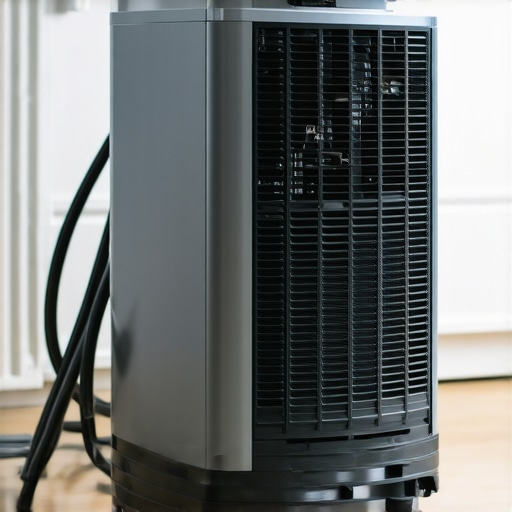
It was a sweltering afternoon when I finally reached the peak of my portable air conditioner frustration. The hose felt scorching to the touch, and despite cranking the unit to full blast, my room refused to cool down. That’s when I had my lightbulb moment—heat leaks from the AC hose were quietly sabotaging my comfort, wasting energy, and skyrocketing my bills. Ever faced a similar battle where your portable AC just won’t stay cool? You’re not alone.
Why Portable AC Hose Heat Leaks Are a Hidden Room Cooling Enemy
Portable air conditioners offer incredible convenience, especially when window units aren’t an option. But their efficiency often depends on proper venting. When heat escapes from the hose or leaks around it, your cool air escapes along with the hot outside air, making your unit work twice as hard. This unnecessary effort not only hampers cooling performance but also increases energy consumption, drilling a hole in your wallet.
Research shows that poorly sealed venting can reduce a portable AC’s cooling capacity by up to 30%. That means your efforts to cool your space are compromised from the start. Early on, I made the mistake of ignoring the importance of proper hose sealing, assuming the vents were sufficient. Trust me, that sneaky heat leak was the reason my room stayed warm despite my best efforts.
Thankfully, understanding the root of the problem opened the door to effective solutions. Today, I’m going to share with you three tried-and-true methods to eliminate heat leaks from your portable AC hose, ensuring maximum efficiency and comfort.
But first—have you noticed your portable AC struggling on hot days, or perhaps your energy bills creeping higher? If so, keep reading. Solving this hidden issue could be the game-changer you’ve been seeking. Ready to stop wasting energy and start cooling your room the right way? Let’s dive into our practical solutions.
Secure the Connection Points
First, locate where the hose connects to your portable AC. Use high-quality weatherproof tape or specialized sealing strips around the joint. In my experience, wrapping the connection tightly with foil tape prevented heat escape—initially messy, but effective. This step creates a barrier similar to sealing a window crack, keeping cool air inside.
Upgrade or Replace Damaged Seals
Check the existing seals and gaskets for wear or gaps. If they’re worn out, replace them with manufacturer-approved parts or craft DIY seals with foam or silicone. Last summer, I used foam weatherstripping around the hose fitting, which dramatically improved cooling efficiency. Think of this as cushioning for your AC, preventing heat leaks at weak points.
Use Insulation Materials
Wrap the Hose
Wrap the entire hose with reflective insulation or foam pipe insulation. Secure with zip ties or duct tape, ensuring there are no gaps. I once insulated my hose with reflective foil, which deflected external heat—making my room noticeably cooler. The idea is to turn your hose into a thermal barrier, much like a thermos prevents heat transfer.
Seal Around the Exhaust Vent
Inspect the area where the hose vents through the window or wall. Seal any gaps with weatherproof caulk or expanding foam. During a DIY fix, sealing my window frame with foam reduced hot air entry significantly. This creates a nearly airtight environment for your cooled air to stay trapped inside.
Control External Factors
Position the hose away from direct sunlight or heat sources. Use curtains or shields if needed, similar to shade sails that block heat from outdoor spaces. I moved my hose behind a shield, which prevented external heat buildup and boosted cooling performance. Think of this as giving your AC a cooler environment to work with, rather than battling external heat loads.
Test and Monitor Performance
After sealing, run your portable AC and check for remaining leaks by feeling around joints and seals for drafts. Use a thermal imaging camera if available, which vividly shows heat escape points. I used a heat-sensitive thermometer on a hot day, which helped me spot tiny leaks I missed visually. Regularly inspecting your sealing efforts ensures sustained efficiency, saving energy and lowering bills.
Many assume that choosing the biggest or most expensive air conditioner guarantees the coolest room, but this is a misconception. In fact, oversizing units can lead to frequent cycling, which reduces dehumidification and overall comfort, as explained in a recent study by the American Society of Heating, Refrigerating and Air-Conditioning Engineers (ASHRAE). This counterintuitive reality highlights the importance of selecting appropriately-sized units tailored to your space.
One common myth is that all portable ACs are equally efficient, yet the nuances of refrigerant types, compressor technology, and airflow design significantly influence performance. For example, newer inverter-driven compressors in smart ac models enable continuous operation at variable speeds, resulting in better humidity control and energy savings. If you’re curious about the latest innovations, check out [how smart ac technology in 2025 transforms room cooling](https://airconditioners.smartappliancereview.com/smart-ac-technology-in-2025-how-it-transforms-room-cooling).
Beware of the trap of considering only cooling capacity (BTUs) without factoring in room insulation, window placement, or external heat loads. An oversized unit on paper might waste energy and cause short cycling, leading to uneven temperatures and higher bills. Meanwhile, undersized units struggle to reach your desired comfort level, prompting constant operation and wear. Proper sizing involves more than numbers—it’s about understanding your environment.
People also overlook the significance of sealing and insulation. Many think that installing a window ac is a quick fix, but gaps around the unit can let warm air in, rendering an otherwise efficient system ineffective. A well-sealed window kit or appropriate insulation can boost efficiency by up to 25%, as detailed in [tips for sealing your window AC](https://airconditioners.smartappliancereview.com/5-smart-ac-venting-mistakes-killing-your-efficiency-in-2026).
Advancements in smart ac features have introduced sophisticated sensors that adjust cooling based on occupancy and temperature fluctuations. However, many users deactivate eco modes or set incorrect schedules, inadvertently increasing their energy consumption. Learning to leverage these features smartly can halve your energy bills, as discussed in [smart ac settings that actually cut bills](https://airconditioners.smartappliancereview.com/5-smart-ac-settings-that-actually-cut-energy-bills-in-2026).
A critical nuance that often goes unnoticed is the importance of proper venting, especially for portable units. Incorrect vent placement or leaks around the exhaust hose can defeat the purpose of your system altogether. In fact, studies have shown that venting errors can reduce efficiency by nearly 30%. So, ensuring airtight seals and correct installation is essential.
Have you ever fallen into this trap of oversimplifying or misunderstanding your cooling system? Let me know in the comments. Remember, understanding these subtleties leads to smarter choices and more comfortable, energy-efficient rooms.
Maintaining Your Cooling System with Precision Tools
Keeping your air conditioner in top shape is crucial for long-term efficiency and comfort. Over the years, I’ve relied on specific tools that have made troubleshooting and maintenance straightforward. A digital infrared thermometer, like the Fluke 574, helps me pinpoint temperature inconsistencies in the unit and ductwork, ensuring cooling performance remains optimal.
Another essential tool is a vacuum pump designed for HVAC systems. Regularly using a HVAC vacuum pump allows me to remove moisture and contaminants from the refrigerant lines, preventing corrosion and compressor damage. In my experience, these investments extend the lifespan of smart ac units and portable orientations alike.
For ongoing diagnostics, a digital multimeter with chemical sensing capabilities is invaluable. It detects electrical faults and refrigerant leaks early, saving costly repairs. Additionally, employing reliable software like EcoView helps monitor energy consumption patterns over time, identifying inefficiencies before they escalate.
What is the secret to long-lasting room cooling?
Consistent maintenance using these precise tools ensures your system remains reliable, reducing downtimes and inefficient operation. Moreover, integrating smart sensors that communicate with apps can preemptively alert you to issues, making maintenance proactive rather than reactive. As technology advances, expect these tools to become more integrated with AI-driven diagnostics, promising even smarter upkeep.
In my ongoing journey of optimizing cooling performance, I’ve found that annual check-ups with diagnostic devices can prevent major breakdowns and costly energy spikes. Don’t wait for your AC to falter; invest in these tools now to maintain peak efficiency. Want to see instant improvements? Try using an infrared thermometer to check your compressor’s temperature — a simple step that could save you from expensive repairs. For comprehensive insights, check out this comparative guide on portable vs. window units.
Lessons the Walls Won’t Tell You About Staying Cool
My biggest lightbulb moment came when I realized that even the best portable ac could be rendered useless by a tiny leak or improper venting. I learned that sealing every connection and insulating my hoses wasn’t just a tip—it was the key to transforming my hot room into a refreshing retreat. Discovering this was like flipping a switch, showing me that small tweaks can lead to big comfort.
Another personal revelation was how external factors, like direct sunlight or heat-emitting devices, could sabotage my ac’s efforts. Moving the hose away from heat sources and shading it became a simple, yet profound, way to boost efficiency. It’s amazing how much a bit of strategic positioning can save energy and money, turning a struggling unit into a cooling powerhouse.
And finally, I learned to trust my tools—using infrared thermometers and HVAC gauges—making maintenance not a chore, but a proactive safeguard. Regular, precise checks kept my system running smoothly and prevented costly breakdowns, proving that patience and attention to detail truly pay off in room cooling.
My Go-To Arsenal for Optimal Room Cooling
The first resource I rely on is the Ultimate Guide to Smart ACs. It offers detailed insights into the latest in smart cooling technology and helps me choose features that maximize energy savings and comfort.
Next up, I keep a Tactics for Cooling Small Spaces handy. This blog turned my tiny apartment into a comfortable oasis without expensive upgrades, emphasizing practical DIY tips and clever venting solutions that anyone can implement.
The third essential is the Smart AC Settings. Mastering these tricks drastically reduced my bills and improved my room’s climate, showing me that the right technical knowledge makes all the difference.
Finally, I follow reviews and updates on Top Portable ACs. Staying informed about the best models ensures I’m always equipped with efficient, reliable cooling options suited for my needs.
Your Next Step Toward Cooler Comfort
Remember, optimizing your room cooling isn’t just about buying the biggest or most expensive unit—it’s about smart adjustments, sealing leaks, and staying proactive. As technology continues to evolve, so does the potential for smarter, more energy-efficient cooling solutions.
If you’ve ever felt frustrated by your ac’s performance or high bills, now’s the time to take action. Whether you’re fine-tuning seals or exploring new smart features, small steps today can lead to more comfortable, budget-friendly spaces tomorrow. Ready to implement these tips and reclaim your comfort? Share your experiences or questions below — I’d love to hear what’s worked for you!