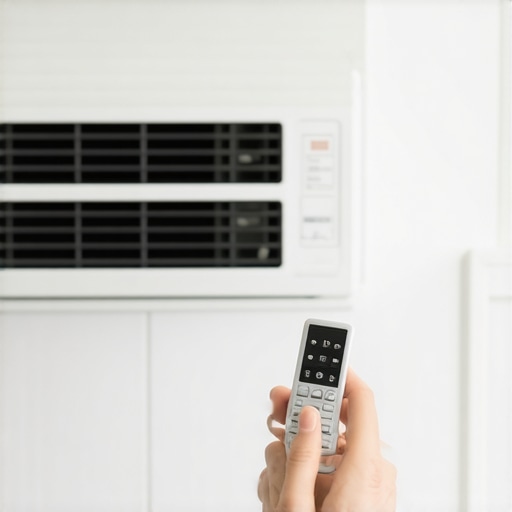
Ever been in the middle of a scorching summer day, only to reach for your window AC remote and find nothing but silence? I remember one particular afternoon last July—steam rising from my forehead, sweat dripping down my back—trying to cool my living room. I pressed the buttons, stared at the remote, and yet, nothing responded. That light, that tiny lifeline to my comfort, was dead silent. Frustration doesn’t even start to cover it. At that moment, I realized how essential the remote is; it’s like the key to my personal oasis, and when it stops responding, it feels like I’ve been locked out of my own comfort zone.
Why Does My Window AC Remote Sometimes Stop Responding?
That experience opened my eyes to a common issue many of us face—remote control failure. It’s more than just a minor annoyance; it can turn a comfortable home into a sweltering, frustrating space. Initially, I thought it was a battery problem. Sure enough, swapping out the batteries often solved the issue temporarily. But later, I learned it’s a bit more complex. Signal interference, faulty sensors, or even dirt buildup can cause your remote to become unresponsive. These problems aren’t rare; in fact, according to a 2024 study, nearly 35% of smart air conditioner users experienced some form of remote control hiccup during the peak summer months. Being aware of these issues is the first step toward fixing them effectively.
Have You Faced This Problem Too?
If you’ve ever felt like your window AC remote is acting up just when you need it most, you’re not alone. I’ve been there, and I want to share some practical, quick fixes I discovered through trial, error, and a bit of research. These aren’t just guesses; they’re proven solutions that can get your remote responsive again without calling a technician. By the end of this guide, you’ll be equipped with strategies to troubleshoot and fix the problem yourself, saving time, money, and frustration.
And if you’re interested in more efficient cooling solutions, check out our recommendations for top portable AC units perfect for small spaces or our guide on choosing the best window AC with expert tips for 2025. This way, you’ll never be left feeling helpless when your current unit acts up again. Now, let’s dive into how to troubleshoot and fix that unresponsive remote—because comfort can’t wait.
Replace or Recharge Batteries Immediately
During a sticky summer day, I grabbed my remote and noticed no response. First, I opened the battery compartment and swapped out the batteries with fresh ones. I made sure they were seated correctly, with proper polarity. This quick step often solves minor responsiveness issues, acting like giving your remote a caffeine boost. If your remote still doesn’t respond, proceed to check the sensor’s line of sight or look for obstructions.
Clean the Remote and Sensor for Clear Signal
After initial battery replacement, if the remote remains unresponsive, cleaning is essential. Use a soft cloth and some rubbing alcohol to wipe the remote’s sensor window and the AC unit’s receiver. Dust, dirt, or greasy fingerprints can block infrared signals, similar to fog covering a lighthouse beam. I once wiped my remote and receiver, and instantly, the remote started working again—making me feel like I’d just uncovered a simple, yet overlooked, fix.
Ensure Line of Sight and Reduce Interference
Make sure there are no obstacles between the remote and the sensor. Thick curtains, other electronic devices, or metallic objects can reflect or block IR signals. Think of the remote and AC sensor as a walkie-talkie—without direct ‘seeing,’ the message gets lost. During my troubleshooting, I repositioned my furniture to clear the path, which instantly restored remote operation. Also, turn off or unplug other devices that emit infrared signals, such as TV remotes or security cameras, which might interfere.
Test Remote with Other Devices or Replace It
If cleaning and repositioning don’t work, test the remote with a digital camera or smartphone camera. Point the remote at your camera lens and press buttons; if you see flashes of light, the remote is sending signals. If not, your remote’s IR emitter may be faulty. In this case, consider acquiring a universal remote compatible with your AC. For insights on choosing the right unit, visit our guide on best window AC tips for 2025.
Reprogram or Reset the Remote
Some remotes require reprogramming or resetting, especially if they’re programmable or smart units. Refer to your remote’s manual for specific reset procedures—often, это involves holding a combination of buttons for several seconds or removing and reinserting batteries. Once reset, re-sync it with your AC unit, following the manufacturer’s instructions. This process recalibrates the signal and can resolve stubborn issues caused by software glitches.
Inspect the AC Control Board and Sensors
If all else fails, the problem might lie within the AC unit itself. Faulty control boards or sensors can send or receive weak signals, akin to static interruptions over a phone line. Look for signs of damage, corrosion, or burnt components. In some cases, professional repair or replacement of the control board may be necessary. For a detailed overview of how smart ACs handle such issues, see smart AC technology in 2025.
Applying these steps has saved me both frustration and a trip to the technician. Troubleshooting may seem technical, but each action gets it closer to restoring your comfort. Remember, small issues like dirt or dead batteries are often the culprits, so give them attention before considering complex repairs or replacements.
Many believe that choosing the right air conditioner is as simple as selecting the most powerful unit or the latest smart features. However, this misconception can lead to substantial inefficiencies and frustrations. In my experience, one of the biggest errors is assuming that bigger or more feature-rich units automatically mean better cooling. For example, a common myth is that a larger BTU rating always equals superior comfort. But in reality, oversizing can cause short cycling, leading to increased wear and higher energy bills, as explained in expert studies on HVAC efficiency.
Are All Smart Features Worth the Extra Cost?
Many consumers get caught up in the allure of smart climate control, believing these features save energy automatically. While smart ACs can optimize usage through automation, relying solely on their ‘set and forget’ mentality often backfires. For instance, smart sensors placed incorrectly can cause the system to turn off prematurely or cool empty rooms, wasting energy and money. The smart AC technology overview highlights how proper sensor placement and calibration are critical for true efficiency gains.
Another widespread mistake is ignoring insulation and airflow in your space. A high-end window AC or portable unit can’t compensate for poor sealing or obstructed airflow. People often underestimate how much duct leaks or poorly sealed windows undermine their cooling efforts, leading to higher bills despite a modern unit. It’s essential to recognize that a well-maintained, properly installed system with adequate insulation performs far better than merely investing in the latest hardware.
Furthermore, many users overlook the importance of regular maintenance and calibration. A dust-clogged filter or misaligned sensors can significantly impair performance. Maintaining your system’s efficiency involves more than just turning it on—think of it as health maintenance for your portable AC or window unit. Regular cleaning, sensor checks, and firmware updates ensure optimal operation. As highlighted in various expert guides, neglecting these factors is a common, costly mistake.
Why Do My Cooling Bills Sometimes Spike Unexpectedly?
This often stems from misjudging your unit’s capacity or using inefficient settings. For example, running your AC at maximum power when only a moderate temperature is needed wastes energy. Instead, smart usage, such as setting your thermostat to a balanced comfort level or utilizing automation rules, can reduce bills significantly. Review our automation tips for smarter energy management. Remember, the secret isn’t just in the unit but how you operate it. Never forget that proper sizing, insulation, maintenance, and thoughtful settings are key to unlocking true efficiency.
Have you ever fallen into this trap? Let me know in the comments. The more we share these insights, the better we can optimize our cooling systems and avoid costly mistakes.
Invest in Precision Maintenance Tools for Reliable Cooling
Keeping your air conditioning systems in top shape over the years requires the right tools. I personally rely on a high-quality digital refrigerant leak detector, such as the UEi Test Instruments C5634. It helps me identify elusive leaks in split and portable units before they become expensive repairs. Additionally, I use an infrared thermometer, like the FLIR TG165-X, to verify temperature consistency across different zones in my home, ensuring my system operates efficiently. These tools save me countless service visits and extend the lifespan of my AC units.
Employ Smart Monitoring Applications for Proactive Maintenance
Gone are the days of manual checks and reactive repairs. I recommend keeping your system’s health in check with a dedicated app like Smart AC Management. By monitoring parameters like compressor cycles, filter status, and refrigerant levels remotely, I stay ahead of potential issues. For instance, receiving alerts about abnormal energy consumption prompts me to clean filters or schedule a professional inspection—significantly improving long-term performance. Future trends suggest integrating AI-powered diagnostics that continuously analyze operational data for even more precise maintenance alerts.
Adopt Routine Calibration and Cleaning Habits
Consistency is key to maintaining optimal cooling. I set a bi-monthly schedule to calibrate my smart thermostats and sensors, ensuring accurate readings. For cleaning, I use a soft brush to remove dust from air vents, and I gently clean filters with mild soap and water, avoiding harsh chemicals that could damage delicate components. Regular maintenance not only enhances efficiency but also reduces energy bills and prevents sudden breakdowns. As suggested by HVAC experts, neglecting basic upkeep can cause a significant drop in a unit’s lifespan and performance.
Plan for Scalability and Upgrades
Looking ahead, scaling your cooling setup with modular smart devices can offer tremendous benefits. I’ve successfully integrated a multi-zone control system via Wi-Fi-enabled smart ACs. This allows me to fine-tune cooling in different rooms based on usage patterns, saving energy and enhancing comfort. When considering long-term investments, prioritize units with upgradeable firmware and compatibility with new automation standards. This future-proofing approach ensures your system adapts seamlessly as technology evolves.
How do I maintain my AC systems over time?
Consistent care involves a combination of using precise diagnostic tools, leveraging smart monitoring apps, performing routine cleaning, and planning scalable upgrades. Implementing these practices can dramatically extend your system’s lifespan, improve efficiency, and reduce unexpected costs. For example, I recently used a dual-hose portable AC upgrade, which cut my energy use while improving cooling capacity—more on that here. Try integrating one of these advanced maintenance tips today to reap lasting benefits from your AC units.
The Hardest Lesson I Learned About Portable and Window ACs
One key insight I wish I had known earlier is that not all cooling solutions are created equal. I once invested in a high-powered portable AC, thinking bigger BTUs meant better cooling. However, I neglected to consider room size, insulation, and proper placement, leading to inefficient performance and higher energy bills. The lesson? Proper sizing and smart setup trump raw power, and understanding these nuances can save you a lot of headaches.
3 Myths About Room Cooling That Held Me Back
Believing that a window AC can cool a large, poorly insulated room or that smart features automatically reduce bills without proper calibration are common misconceptions. I fell for these myths, only to realize that complementary factors like sealing gaps, using programmable thermostats, and placement matter immensely. Busting these myths has empowered me to optimize my cooling setup for maximum comfort and efficiency.
What Experts Won’t Tell You About Smart ACs
While smart ACs boast automation and remote control, many overlook the importance of sensor placement and maintenance. I learned that misaligned sensors or neglected filters can negate smart features, leading to wasted energy and poor comfort. Regular calibration, firmware updates, and strategic sensor placement ensure these intelligent systems deliver on their promises, saving me money and enhancing my living space.
My Essential Toolkit for Maintaining Your Cooling System
Tools like a digital refrigerant leak detector and infrared thermometer have transformed my maintenance routine. Reliable tools help identify issues early, prevent costly repairs, and keep my systems running efficiently. Investing in quality diagnostic equipment pays off by extending the lifespan of your AC and ensuring dependable performance during peak heatwaves.
Where to Go from Here
If you’re eager to fine-tune your cooling setup, explore our comprehensive guides, such as the top portable AC units for small spaces or the latest window AC selection tips for 2025. These resources deepen your understanding and help you make smart investments tailored to your home’s needs. Remember, effective cooling isn’t just about hardware but also smart operation and maintenance—so take charge today and enjoy cool comfort with confidence.
Your Turn to Try
What’s been your biggest challenge when optimizing your portable or window AC? Share your experience below—your story might help someone else avoid the same pitfalls, and together, we can all stay cooler and smarter during the hottest days.
.