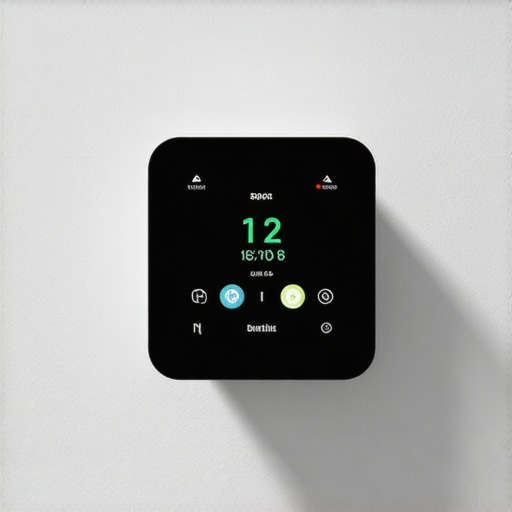
Last summer, I almost lost it when my portable AC started whistling loudly, and I realized I had been running it all day, even when I wasn’t home. That familiar guilt burst into frustration—how could I have been so careless? It was a wake-up call. Like many of us trying to stay cool while saving money, I discovered that my biggest enemy wasn’t just the device itself, but my misguided scheduling habits. You see, I was unknowingly making four common smart AC mistakes that, come 2026, could send my energy bills soaring. My lightbulb moment? I learned that even the most advanced smart technology can backfire if we don’t optimize its use.
The Real Reason Your Energy Bill Might Be Spiking in 2026
Many homeowners invest in smart AC units for their convenience and energy savings, but without proper planning, these devices can become hidden cost killers. Early on, I thought setting my AC to run constantly or at high power during peak hours was the way to stay cool and efficient. Spoiler: It’s not. The truth is, improper scheduling—like leaving your smart AC plugged in without considering actual room needs or misunderstood eco modes—can waste a significant amount of energy.
Are Smart ACs Really Worth the Hype?
Let me admit, I was skeptical at first. I thought, “Is all this automation really necessary?” But after some trial and error—especially my mistake of trusting the ‘eco mode’ blindly—I realized that smart features can be double-edged swords. According to a recent report, poor usage of smart ACs could cause energy consumption to grow by up to 30%—that’s nearly an extra $120 annually for many households, right when inflation is already squeezing budgets.
So, what’s the secret? How do we avoid falling into the costly traps and start optimizing these devices effectively? Well, that’s exactly what I’ll be sharing in this post. We’ll dive into four common mistakes I made when scheduling my smart AC, and how you can steer clear of them for a cooler, more budget-friendly 2026.
But first: Have you faced similar frustrations or noticed your energy bills creeping up unexpectedly? If so, you’re not alone. Let’s get started on turning your smart AC into a real cost-saver rather than a hidden expense.
Set Your Temperature Goals with Precision
Start by determining your ideal sleeping and living temperatures. Use your smart AC’s app to set specific, comfortable targets rather than leaving it on default or eco modes that might be too aggressive or too lax. I once tried to save energy by turning my portable AC down to 65°F at night, but it ended up working harder trying to reach that temperature, increasing power consumption. Instead, I found that maintaining 72°F during sleep hours was efficient and comfortable. Learn more about effective smart AC settings.
Time Your Cooling Periods Strategically
Identify the peak energy hours in your area, usually from 4 to 9 pm, and adjust your AC schedule accordingly. For instance, I programmed my portable AC to start cooling 30 minutes before peak hours and finish 30 minutes after, avoiding unnecessary operation during high tariff periods. Think of it like preheating your oven—anticipate your needs rather than waiting until the last minute. Use the scheduling feature on your app to automate this; it’s straightforward and prevents accidental overuse.
Leverage Eco Modes Wisely
Many smart ACs come with eco or sleep modes. These are beneficial if used properly. I initially relied solely on eco mode, but discovered it sometimes kept the device running at high fan speeds unnecessarily. After experimenting, I set my eco mode to ‘quiet’ and ‘energy saver’ settings, which gently adjust cooling intensity and fan speed depending on room temperature. This fine-tuning reduced my energy consumption without sacrificing comfort. Check your device’s manual or app for detailed eco mode options and tips to optimize these settings.
Utilize Zoning for Smarter Cooling
If your space allows, create zones within your home so you don’t cool unused areas. I installed a smart relay that controls my portable AC solely in the bedroom, leaving the rest of the house uncooled during the day. This is akin to closing doors to prevent cold air from escaping—a simple but powerful technique. Your smart app can set different schedules and temperatures for each zone, dramatically cutting unnecessary energy use. For detailed zone control strategies, visit this guide on smart zoning.
Monitor and Adjust Regularly
Keep an eye on your energy reports via the app and adjust your schedules as needed. I noticed my bill decreasing after a month of fine-tuning, especially when I reduced cooling in the late evening hours. It’s like tuning a musical instrument—small adjustments lead to harmony. Set reminders to review usage monthly, and be willing to tweak settings based on weather changes or occupancy patterns.
 While many believe that simply choosing the right air conditioner or setting it to a high cooling mode guarantees comfort and efficiency, the truth reveals a more complex picture. An often overlooked detail is the importance of understanding the room’s specific conditions, airflow patterns, and the device’s placement. For instance, placing a smart AC near heat sources or in direct sunlight can drastically reduce its effectiveness, leading to increased energy consumption and uneven cooling. This nuance is critical because even the most advanced smart features won’t compensate for poor placement or room design, ultimately making your cooling efforts less effective and more costly. Furthermore, common myths like ‘closing vents saves energy’ can backfire, disrupting airflow and causing the compressor to work harder. Experts emphasize that strategic placement and thoughtful room layout are essential for maximizing cooling efficiency, especially in larger or irregularly shaped spaces. For a deeper dive into this subject, check out our comprehensive guide on smart AC technology in 2025, which covers how device placement and room characteristics influence performance. Have you ever fallen into this trap? Let me know in the comments.
Using the Right Tools to Keep Your Cooling Systems Running Smoothly
Investing in quality equipment is the first step, but consistent maintenance is what ensures longevity and optimal performance. I personally rely on a combination of specific tools and software to monitor, diagnose, and maintain my smart ACs and portable units. For instance, I use a digital multimeter to verify electrical connections and ensure my devices aren’t drawing excess power, which can lead to premature wear. Additionally, a specialized smart AC connection tester helps me diagnose Wi-Fi connectivity issues swiftly, preventing unnecessary downtime. Periodic cleaning tools such as a vacuum with brush attachments enable me to clear dust from filters and vents, which is critical because clogged filters reduce efficiency and strain the compressor. Cleaning brushes and compressed air cans are invaluable for maintaining airflow, especially in hard-to-reach areas. I also swear by my smartphone’s automation app that allows me to schedule regular diagnostic checks and alerts for abnormal energy consumption patterns—acting as an early warning system. As the trend toward smart and Wi-Fi-enabled smart ACs continues, integrating advanced automation software will become essential for long-term management.
How do I maintain my cooling tools and devices over time?
Developing a routine inspection schedule is crucial. I set monthly reminders to run diagnostic tests on my devices, clean filters, and tighten any loose connections. Keeping detailed records of maintenance helps me track performance trends, plan replacements, and avoid costly surprises during peak summer months. Upgrading parts like filters and vents periodically, based on manufacturer recommendations, keeps the system running at peak efficiency. For example, replacing filters every three months prevents dust buildup, which directly impacts cooling effectiveness and energy bills. Furthermore, staying updated on firmware and software updates from device manufacturers ensures that any security patches or performance improvements are installed promptly, safeguarding your investment and enhancing overall operation. In the future, I predict that AI-integrated diagnostic tools will further simplify maintenance, providing real-time insights and predictive alerts—making room cooling systems more self-sufficient and less prone to breakdowns. To get started with smarter maintenance, try upgrading to a smart AC with remote diagnostics and automation features; it can be a game-changer for long-term savings.
Lessons That Changed My Cooling Game
One of the harshest truths I uncovered was how my eagerness for immediate comfort often led to increased energy costs. I used to set my portable AC to maximum right when I got home, thinking I was saving time and money—only to find my bills spiking unexpectedly. These experiences taught me that patience and strategic scheduling are key to efficient cooling. Now, I routinely monitor my usage patterns and apply small tweaks—saving both energy and peace of mind.
Another eye-opener was realizing that device placement matters more than I had believed. Placing my smart AC in direct sunlight or near heat sources caused it to work overtime, wasting energy and impairing cooling effectiveness. Moving it to shaded spots and ensuring proper airflow transformed my experience, proving that thoughtful setup can make a significant difference in performance and cost savings.
My biggest myth-busting moment came from understanding eco modes. I thought relying solely on eco settings would automatically optimize efficiency, but I learned that customizing these modes yields much better results. Fine-tuning fan speeds and temperature targets based on room needs prevented unnecessary operation and maintained comfort, saving me on energy bills.
Finally, I discovered that regular maintenance—such as cleaning filters and checking vents—is indispensable. Small routines like these kept my smart AC running smoothly, extending its lifespan and maintaining efficiency, which translates into ongoing savings and fewer surprises during hot spells.
My Toolbox for Smarter Cooling
I rely heavily on tools like a digital multimeter to check electrical health and a smart automation app to schedule and monitor my AC usage—these have been game-changers. For in-depth diagnostics, I trust smart connection testers, which help me troubleshoot Wi-Fi issues quickly. Keeping filters clean with simple brushes and compressed air minimizes strain on the system, directly impacting energy efficiency. Firmware updates from manufacturers ensure I benefit from ongoing improvements, making maintenance easier and more effective.
Keep Your Cool, Stay Smart, and Save
Remember, mastering smart AC habits is an ongoing journey. As technology evolves and our homes become smarter, staying proactive—adapting settings, maintaining equipment, and understanding your specific environment—will keep your cooling costs in check. Think of your smart AC as a trusted partner: the more you invest in its proper use, the cooler and more budget-friendly your summer will be. Don’t wait for bills to surprise you—take action now and turn your space into an oasis of comfort and savings.