![How to Clean a Split AC Blower Wheel Without a Pro [2026]](https://airconditioners.smartappliancereview.com/wp-content/uploads/2026/03/How-to-Clean-a-Split-AC-Blower-Wheel-Without-a-Pro-2026.jpeg)
Have you ever flicked the switch on your split AC, only to be met with strange noises, reduced cooling, or a faint burning smell? I’ve been there, staring at my unit, feeling that pang of helplessness. It’s that moment when you realize—your air conditioner isn’t just a luxury; it’s an essential during those sizzling summer days. And when it starts acting up, especially with mysterious noises or a decline in performance, you can’t help but wonder—what’s going wrong, and can I fix it myself?
Why a Dirty Blower Wheel Could Be Sabotaging Your Cool
It turns out, one of the most overlooked culprits behind poor AC performance is a neglected blower wheel. Over time, dust, dirt, and debris accumulate on the blower wheel, causing imbalance, noise, and even hindering airflow. When I first encountered this problem, I thought it was a simple filter issue. But after a bit of research and a few failed attempts at quick fixes, I discovered that the blower wheel’s cleanliness plays a crucial role in overall system health. Regular maintenance not only prolongs the lifespan of your unit but also keeps your cooling bills in check. Interestingly, studies show that a dirty blower wheel can reduce your AC’s efficiency by up to 20%—a significant number that no homeowner should ignore. You can read more about how maintenance impacts performance here.
Is Cleaning the Blower Wheel Actually Worth the Hype?
At first, I was skeptical. I had read blogs warning about complex procedures, expensive tools, and the dreaded fear of damaging something delicate. My biggest mistake early on was rushing into the process without proper research, leading to worse problems or voiding the warranty. But once I took a step back to understand the basics—using the right tools and following careful instructions—I realized it’s entirely doable. Honestly, if I can do it, so can you. And trust me, the satisfaction of fixing your AC with your own hands is more than worth it.
In the next sections, I’ll walk you through the practical steps to clean your split AC blower wheel safely and effectively. We’ll cover what tools you need, precautions to take, and how to avoid common pitfalls. Ready to bring your AC back to peak performance? Let’s dive into the detailed guidance that will make you feel confident and in control of your home comfort system.
Prepare Before You Dive In
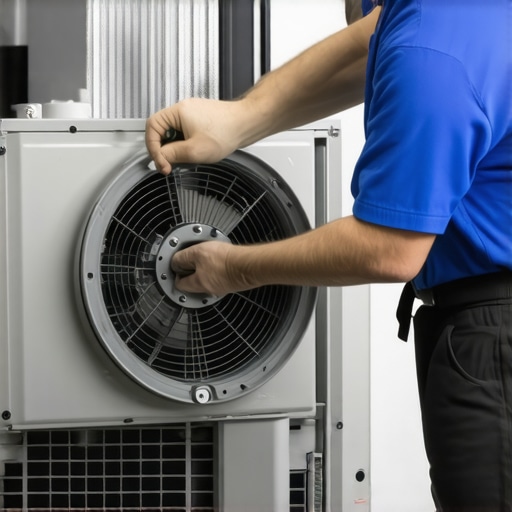
Start by switching off your AC and unplugging it to ensure safety. Remove the front panel or cover that encloses the blower wheel, usually by unscrewing or unclipping it. Have a soft brush, a damp cloth, and a mild cleaning solution ready. Remember, patience is key; rushing can cause damage or incomplete cleaning.
Accessing and Removing the Blower Wheel
Locate the blower wheel—a circular fan that looks like a small turbine. It’s often accessible after removing the filter and internal panels. Carefully detach the wheel by loosening screws or clips holding it in place, noting its orientation for reassembly. During my first attempt, I accidentally dropped a screw, causing a brief panic—so keep small parts secure and handle with care.
Handle with Care
The blower wheel is delicate; avoid applying excessive force. Use a screwdriver suited for small screws, and support the wheel when detaching to prevent bending or breaking the blades. If the wheel’s bearings seem stiff or worn, consider replacing them for optimal performance.
Cleaning the Blower Wheel Effectively
Dip a soft brush or cloth into a mild cleaning solution—mix warm water with a few drops of dish soap. Gently scrub all blades and the hub to remove accumulated dust and grime. For stubborn dirt, safer than harsh chemicals, use a gentle toothbrush to reach tight spots. When I cleaned mine, I found that a gentle scrub restored balance and reduced noise.
For quick drying, wipe with a dry cloth and let the wheel air dry thoroughly before reinstallation. Never reassemble a damp wheel, as moisture can damage the motor or cause mold growth.
Use the Right Tools and Techniques
A plastic or nylon brush prevents scratching, and a vacuum with a brush attachment can help remove loose debris before detailed cleaning. Avoid metal brushes or abrasive cleaners that could damage the blades or coating, risking imbalance and noise. During my DIY, I used a soft paintbrush which proved effective without risking damage.
Reinstall and Test Your AC
Once dry, carefully reattach the blower wheel, ensuring it’s aligned correctly. Secure all screws or clips tightly and replace any panels or filters removed earlier. Plug in your AC and turn it on to check for smooth operation. You should notice quieter operation, improved airflow, and better cooling performance. Regular maintenance like this can boost efficiency and prolong your unit’s lifespan.
Tips for Consistent Maintenance
Set a reminder to clean the blower wheel every 6 to 12 months, especially if you notice dust buildup or noise. Incorporate filter replacements and duct checks into your routine to maintain optimal airflow. For portable ACs, check the exhaust hoses and vents regularly—learn more about maintaining portable units here. Being proactive will save you time, money, and discomfort during peak summer usage.
< >Many homeowners believe they know how their air conditioning units work, but several misconceptions persist that can lead to inefficiency and increased costs. One widespread myth is that all cooling devices are equally effective, but in reality, choosing the right type—be it a portable AC or a window unit—depends on specific room sizes and insulation. Additionally, many assume that setting the thermostat to the lowest temperature cools the room fastest; however, this can cause excessive energy use without any real benefit, as smart AC systems can optimize cooling efficiency through advanced algorithms here.
Another common mistake is neglecting maintenance, such as ignoring dirty filters or clogged vents, which can severely reduce efficiency. This oversight is often linked to the myth that ACs need little upkeep; in contrast, regular cleaning and professional servicing improve performance and longevity. Beware of the trap that upgrading to a more advanced model always guarantees better energy savings, as improper installation or misconfigured settings can negate the benefits. Advanced features like Wi-Fi control and automation offer real savings, but only if used correctly—many users miss out because they overlook these nuances.
So, how do you differentiate between a true upgrade and a marketing gimmick? It boils down to understanding your specific needs and leveraging the latest technology effectively. For example, a portable AC with smart features can adapt to your schedule, saving significant energy during unoccupied hours here. Keep in mind that older units often use more power, and replacing them with energy-efficient models can be a smart move—don’t let myths prevent you from making an informed decision.
Have you ever fallen into this trap? Let me know in the comments.
To keep your air conditioning system performing at its best, investing in the right tools and adopting effective maintenance routines is crucial. Personally, I rely on a combination of specialized equipment and software to ensure my units stay efficient, especially during peak summer months. One tool I swear by is a high-quality vacuum pump, which I use to remove old refrigerant and ensure there are no leaks that could impair cooling performance. Unlike basic vacuums, these pumps are designed for HVAC applications, allowing for rapid and thorough evacuation of the system, preventing future issues and extending the lifespan of your AC.
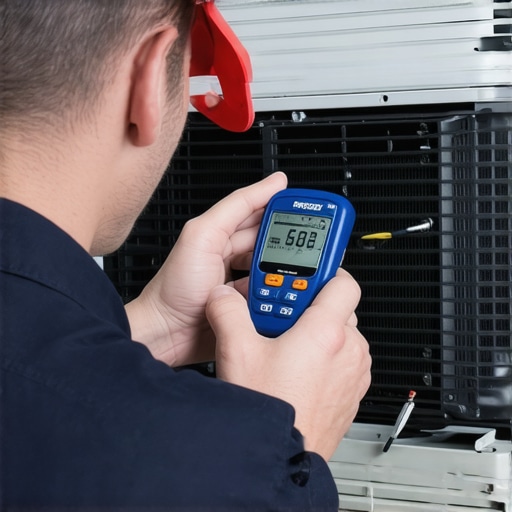
In addition, a digital manifold gauge set is indispensable. It provides precise readings of pressure and temperature, helping diagnose refrigerant problems quickly. I prefer models that connect wirelessly to my smartphone, enabling real-time data monitoring and easy logging of system health over time. This kind of data is invaluable for identifying subtle leaks or refrigerant drops before they cause noticeable performance drops, essentially acting as an early warning system.
Cleaning isn’t just about brushes and cloths—consider a UV leak detection kit. I’ve used a UV dye detection kit to locate pesky refrigerant leaks that are nearly impossible to find visually. Using a UV light, I can see small dye traces that confirm where a leak originates, allowing for targeted repairs that save time and money. These kits are affordable and straightforward, making professional leak detection accessible for DIY enthusiasts.
Software tools also play a vital role. I rely on HVAC diagnostic apps that connect to my digital gauges, providing detailed analysis and troubleshooting guides at my fingertips. These apps often include troubleshooting flowcharts, maintenance checklists, and performance logs that help me plan maintenance proactively rather than reactively. As smart technology advances, I predict more integration of IoT devices providing continuous system monitoring—imagine your AC automatically alerting you when a filter needs replacing or refrigerant levels are low, even before you notice reduced cooling.
How do I maintain my AC over time?
Consistency is the secret to long-term AC performance. Regularly using these tools helps prevent minor issues from escalating into costly repairs or system failures. Schedule routine inspections—every six months is ideal—so you can catch potential problems early. For example, utilizing a refrigerant leak detector periodically ensures your system is sealed tight, maintaining optimal efficiency. Combining physical inspections with software diagnostics allows for a comprehensive approach, saving money and extending your unit’s lifespan.
Looking ahead, I see smart diagnostics becoming standard practice. Devices will not only alert you about existing issues but also suggest specific maintenance actions—kind of like a fitness tracker for your AC. To get started today, try using a UV leak detection kit alongside a digital manifold gauge set. It’s a small investment that can make a significant difference, especially if you want to avoid costly repairs or replacement down the line.
Remember, proper maintenance isn’t just about fixing problems—it’s about preventing them. Regular use of these specialized tools ensures your room cooling stays effective and energy-efficient, saving you money while keeping you comfortable. Want a quick tip? Incorporate a routine check with a digital manifold gauge every quarter to monitor refrigerant pressure trends. You’ll be surprised how early you can spot issues before they turn into emergencies. For more advanced techniques, exploring IoT integration like smart sensors can revolutionize how you maintain your system—think of it as giving your AC a health monitor that’s always on.
The Hardest Lesson I Learned About air conditioner,smart ac,room cooling,portable ac,window ac
One of the most valuable lessons I discovered is that consistent maintenance beats quick fixes every time. Neglecting small issues like dust buildup or refrigerant leaks can lead to major system failures, which means costly repairs or replacements. Keeping an eye on these details ensures your AC runs smoothly and efficiently, saving you money and stress in the long run.
Why Ignoring Small Problems Could Cost You Big
I used to dismiss minor noises or slight decreases in cooling as inconsequential. However, I learned that these signs are often indicators of larger underlying issues, such as blower wheel dirt accumulation or refrigerant loss. Addressing these early can prevent unexpected breakdowns, and tools like a UV leak detection kit can make all the difference in pinpointing hidden defects.
Balancing Technology and Hands-On Care
While I rely on smart diagnostics and digital gauges to monitor my system’s health, I realize that nothing replaces direct inspection and cleaning. Combining high-tech tools with regular physical checkups gives a comprehensive approach to maintaining optimal performance, especially for smart ac units that provide real-time alerts and insights. Embracing this synergy has transformed my maintenance routine into a proactive, rather than reactive, process.
Curated Recommendations for True Enthusiasts
My essential toolkit includes a high-quality vacuum pump, a digital manifold gauge set, UV leak detection kits, and HVAC diagnostic apps. These tools have empowered me to troubleshoot and maintain my system effectively. I trust these because they offer precise readings and early warnings, which are invaluable for extending your AC’s lifespan and ensuring top performance.
The Power of Small Changes—Your Turn to Act
Regularly scheduling inspections and using the right maintenance tools can significantly reduce your cooling costs and improve comfort. Don’t wait until your AC breaks down—start integrating these habits today. Remember, proactive care is the best way to enjoy a cool, comfortable summer while keeping your energy bills in check. What’s the first maintenance step you’re planning to implement this week? Share your plans below and let’s learn from each other!