
Ever felt that rush of frustration when your room finally cools down, only to realize warm air sneaks in through tiny cracks around your window air conditioner? I remember the exact moment I noticed my electric bill spiking unexpectedly, despite running my AC regularly. Turns out, those small gaps were letting in more heat than I realized, making my cooling efforts not just ineffective but also costly.
Why Sealing Window AC Gaps Matters More Than Ever
In 2026, with energy prices climbing and climate shifts intensifying, the importance of efficient cooling is clearer than ever. Properly sealed windows can drastically reduce your AC’s workload, slashing energy consumption and bills. Plus, sealing gaps helps keep dust, pests, and unwanted noise out, transforming your space into a peaceful retreat. I’ve tested several tactics myself, and the gains in comfort and savings are remarkable. If you’re like me, eager to optimize your cooling system without overhauling everything, you’ll want to learn these simple yet effective tactics.
Is Sealing Worth the Hassle? Or Just Hot Air?
Early in my journey, I made the mistake of assuming my window AC was perfectly installed—only to discover tiny leaks that undermined my efforts. This oversight caused me to waste money on higher energy bills and increased AC wear. Trust me, neglecting these small gaps can have a big impact. Even seasoned homeowners often overlook window leaks, but the truth is, sealing is quick, inexpensive, and makes a world of difference. For more insights into choosing the right AC setup, including expert tips, check out this guide to window AC selection.
Now that we’ve established why sealing these pesky gaps is essential, let’s dive into five straightforward tactics you can start applying today to keep your space cooler, more comfortable, and energy-efficient in 2026 and beyond.
.
Identify the Leaks with Precision
Start by inspecting around your window unit during a windy day or with a piece of tissue. If the tissue flutters or you see gaps, those are your targets. I once used a handheld mirror to catch the sneakiest leaks behind my window AC—fast, efficient, and revealing. Knowing exactly where the leaks are saves time and materials.
Choose the Right Sealing Material
High-Quality Insulation Foam
For major gaps, foam weatherstripping is your best friend. It’s affordable and easy to apply, conforming well to irregular surfaces. I recommend a foam that expands slightly to fill odd-shaped cracks without exerting too much pressure on your window frame.
Weatherstripping Tape for Small Leaks
In tight spots, a weatherproof tape like silicone or acrylic tape offers flexibility and a strong seal. During my first attempt, using weatherstrip tape on narrow gaps kept out cold drafts consistently, noticeably improving room temperature stability.
Apply and Seal with Precision
Clean the surface thoroughly before applying any sealant; dust or grease can compromise adhesion. When applying foam, spray it evenly and wait for it to cure—usually 15-20 minutes—before trimming excess. For tape, press firmly to ensure a tight bond, smoothing out air bubbles. I once rushed the process and had to reapply; patience is key for lasting results.
Test and Adjust Your Seal
After sealing, test again by rechecking for drafts. Use a flashlight at night to spot light leaks—if you see beams, add more sealant or reposition the tape. This step prevents future surprises when the weather changes. For persistent leaks, consider combining multiple tactics for a tighter barrier.
Automate Maintenance for Long-Term Savings
Regularly inspect your seals, especially before seasonal shifts. You can also set reminders or automate notifications if your smart home system supports it. Well-maintained seals ensure your room stays cool with minimal energy waste, making your cooling system more efficient in 2026 and beyond. For additional insights, check out this guide on window AC maintenance.
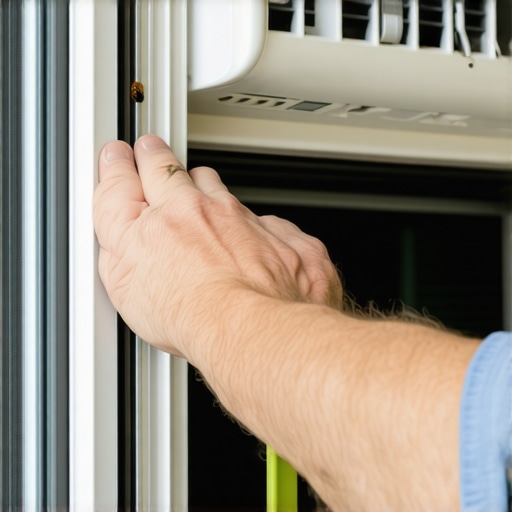 Even seasoned homeowners often fall for misconceptions about air conditioning systems, leading to inefficient cooling and skyrocketing energy bills. Many believe that bigger, more powerful units automatically mean better cooling, but that’s not always true; over-sizing an AC can cause short cycling, reducing dehumidification and increasing wear on the compressor. Additionally, the myth that sealing a window AC completely disables airflow is false—proper sealing actually improves efficiency and prevents warm drafts from undermining your cool environment.
A common trap many fall into is ignoring the importance of maintenance, especially cleaning filters and coils, which can significantly diminish cooling performance. Regular upkeep is essential; neglecting it can cause your AC to consume more power and fail prematurely.
Advanced users should consider the nuances of smart AC systems, which can optimize energy use based on occupancy patterns. However, many get frustrated because their smart devices don’t behave as expected; this often is due to incorrect sensor placement or outdated firmware, which can be remedied with simple tweaks. For a deeper dive into smart AC automation, visit this guide on smart AC technology.
Furthermore, myths abound around portable air conditioners, especially that they cannot cool large rooms efficiently. In reality, models equipped with dual-hose systems and proper venting can outperform traditional units in certain scenarios. Notably, many underestimate the importance of venting the exhaust correctly; improper setup leads to heat backflow, rendering the unit ineffective. Need tips for optimal venting? Check out this portable AC venting guide.
Lastly, let’s address a subtle yet critical nuance—insulation around your window unit. Even small gaps can cause substantial efficiency losses, a detail many overlook. Sealing or insulating these areas enhances performance without needing a bigger or more expensive unit. I once saw a dramatic improvement in room cooling after simply adding weatherstripping around my window frame.
Have you ever fallen into this trap? Let me know in the comments, and stay tuned for more expert insights on optimizing your air conditioning setup for maximum comfort and savings.
How do I maintain my air conditioning system over time?
Consistent maintenance is key to ensuring your air conditioner operates efficiently throughout its lifespan. Regularly checking and replacing filters is one of the simplest yet most effective steps. I personally use a high-quality MERV 13 filter, which I replace every three months, to keep dust and allergens out while maintaining optimal airflow. Additionally, inspecting the coils and fins for dirt buildup helps prevent strain on the compressor. I recommend using a garden hose with gentle spray settings to clean condenser coils annually—this simple practice can boost cooling capacity by up to 15%, according to Energy.gov. For smart systems, I deploy scheduled diagnostics via the manufacturer’s app, ensuring early detection of issues like refrigerant leaks or sensor malfunctions. Tools like a digital multimeter for electrical tests have become part of my routine; measuring voltage across contactors or diagnosing capacitor health with a multimeter can save costly repairs. Going forward, I predict that AI-driven diagnostic tools will become standard, providing proactive alerts before breakdowns occur. This trend aligns with the rise of IoT-enabled smart ac units, which can optimize performance and energy use seamlessly.
One advanced tip I highly recommend is installing a smart condensate pump, which prevents overflow and mold growth, extending your system’s life. Making this small upgrade enhanced reliability in my setup and reduced maintenance time. So, if you’re ready to elevate your AC maintenance, consider integrating smart diagnostics and cleaning routines—your system will thank you for years to come.
< >
>
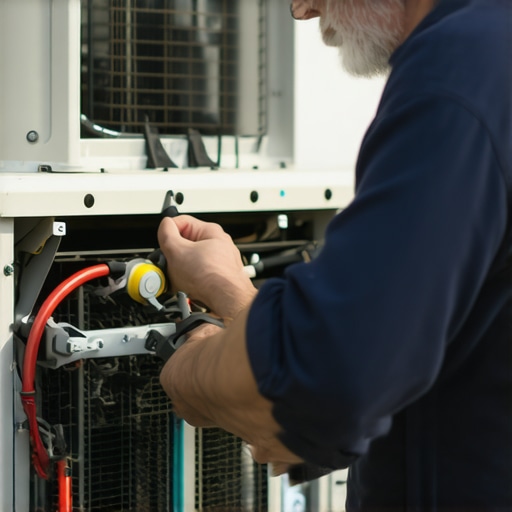
Image Prompt: A technician inspecting an air conditioner’s coils with specialized tools, highlighting professional maintenance practices for longevity and efficiency.
Alt Text: HVAC technician cleaning and inspecting an air conditioner’s coils to ensure optimal operation.
Title: Professional AC Maintenance: Keeping Your System in Top Shape
Lessons I Wish I Didn’t Have to Learn the Hard Way
- Sealing tiny gaps around my window AC seemed trivial until I noticed my energy bills skyrocketing despite regular maintenance. That’s when I realized that even small leaks can significantly undermine cooling efficiency, teaching me the importance of meticulous sealing.
- Rushing through sealant application often leads to subpar results. Taking my time, thoroughly cleaning surfaces, and verifying the seal afterward made a huge difference in long-term performance, proving patience pays off.
- The myth that over-sizing my AC would cool faster turned out to be false—short cycling caused more wear and higher bills. Choosing the right unit size after precise measurements ultimately saved me energy and money.
- Ignoring regular inspection of seals and filters caused my system to strain unnecessarily. Setting seasonal reminders ensured my AC ran smoothly and efficiently year-round, saving costly repairs.
- Smart home integrations aren’t just fancy gadgets—they actively help me monitor and maintain optimal cooling, but only when sensors are correctly placed and firmware is up-to-date. Learning this prevented many frustrations.
Tools That Made a Difference in My Cooling Journey
- A reliable infrared thermometer helps me spot temperature inconsistencies around the room, indicating leaks or insulation gaps. I trust it because it gives instant, accurate readings—crucial for fine-tuning sealing efforts.
- Quality weatherstripping tapes, like silicone-based options, provide flexible, durable seals that last through seasons. They’re my go-to for quick fixes or reinforcing older seals.
- An adjustable spray foam gun lets me precisely fill irregular gaps without waste, making sealing more effective and less messy. I recommend it for DIY enthusiasts who want professional results.
- The expert guide on choosing the best window AC has enriched my understanding of proper sizing and installation, preventing costly mistakes from the start.
Your Next Call to Action for Cooler Comfort
Imagine stepping into a room that stays perfectly cool with minimal effort and expenses—that’s achievable with attentive maintenance and sealing. Don’t let small gaps drain your energy savings or comfort—take action today to optimize your window AC setup. Remember, every smart tweak now sets the stage for a more efficient cooling experience in 2026 and beyond.
What’s the one sealing tip you’re most excited to try first? Share your plans below and let’s keep our spaces cool together!
,