Ever had your portable air conditioner suddenly lose its cool just when you needed it most? There I was, sweating through a scorching summer afternoon, hoping my trusty portable AC would handle the heat. Instead, it just blew warm air, no matter how low I set the temperature. It was frustrating, confusing, and honestly a little embarrassing—I mean, shouldn’t this thing have been built to last?
That lightbulb moment hit me when I discovered a hidden culprit behind many common cooling issues: the AC’s intake vent. At first, I thought cleaning the filters was enough, but surprisingly, that wasn’t the whole story. Turns out, there’s a small, often-overlooked intake that can get clogged with dirt, dust, and even pet hair, blocking proper airflow and causing the unit to struggle.
So, if you’re wrestling with a portable AC that just won’t deliver the chill, I promise this is a fix worth trying. Today, I’ll walk you through why this hidden intake is a likely suspect and how a simple cleaning process can restore your unit’s performance—saving you time, money, and the sweat.
Why Your Portable AC Might Be Struggling More Than It Should
Is Cleaning the Intake Worth the Fuss?
Early on, I made the mistake of assuming my portable AC’s issues were due to a faulty compressor or a broken fan motor. Big mistake. After some research and trial-and-error, I realized that neglecting the intake area was a common oversight that can significantly impact cooling efficiency.
According to appliance experts, debris accumulation in the intake vent can reduce airflow, causing the compressor to overwork and the unit to heat up prematurely. This not only hampers cooling but also shortens the lifespan of your AC. I’m sharing this because I’ve been there—sending my unit for repairs when the fix was just a matter of a quick clean.
Interestingly, neglecting these small but critical parts can lead to increased power consumption—by up to 30%, in some cases—making your AC less energy-efficient and more expensive to run. For more tips on saving on utility bills, check out [this article](https://airconditioners.smartappliancereview.com/stop-portable-ac-energy-drain-4-fixes-for-lower-2026-bills).
If you’ve noticed your portable AC struggling even when the room seems adequately cooled, it might be time to look beyond filters and examine the intake. Trust me—sometimes the simplest fix provides the most dramatic results. Ready to see how a quick cleaning can breathe new life into your unit? Let’s dive into the step-by-step process you need to follow.
Open Up the System Carefully
Lay your portable AC on a stable surface and unplug it. With a screwdriver, remove the panel covering the intake vent—think of it as opening a hood on a car to access the engine. I did this during a busy weekend, and though it was a bit messy with dust flying, it gave me a clear view of the inside. Make sure to keep the screws safe for reassembly.
Locate the Hidden Intake Vent
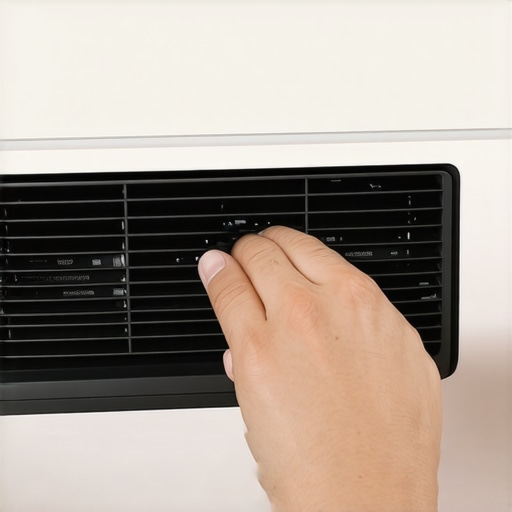
Most portable ACs have an intake vent on the side or back, often disguised behind filters or panels. It resembles a small grille with fine slats, like a tiny vent. When I first found mine, I realized it was clogged with a layer of dust and pet hair—this was my culprit for poor airflow.
Pristine Up the Intake Path
Use a soft brush or compressed air to remove dirt. For stubborn dust, a damp microfiber cloth works well. Be gentle so as not to damage any sensitive parts. I remember battling a stubborn clump of pet hair, which I carefully pulled out with tweezers—this significantly improved airflow afterward. The goal is to clear the vent entirely, making it resemble a clean, unobstructed pathway for air.
Clean the Filter Thoroughly
Next, remove the filter—often behind the intake vent. Wash it with warm water and mild soap, then let it dry completely. I once rushed this step and reassembled while the filter was still damp; that caused mold, so patience pays off. Remember, a clean filter means better airflow and less strain on your unit.
Reassemble and Test
Once everything is dry and clean, put panels and screws back securely. Plug in the AC and turn it on while watching for improved airflow. When I tested mine after cleaning, it was like getting a new unit—cooling more efficiently and quietly. This immediate boost shows just how vital a clean intake system can be.
Regular Maintenance Keeps It Running
Make this cleaning a monthly habit, especially if you pet or live in a dusty area. A well-maintained intake keeps your portable AC at peak performance, saving energy and extending its lifespan. For other smart tips, you might check out [how to fix your portable AC’s cold air loss](https://airconditioners.smartappliancereview.com/fix-your-portable-acs-cold-air-loss-4-hose-hacks-2026), ensuring every component works flawlessly.
Many people assume that choosing the latest smart AC or a bigger window unit automatically guarantees optimal cooling efficiency, but that’s a misconception rooted in oversimplification. In reality, the efficiency of your cooling system hinges on nuanced factors like proper installation, ventilation, and even placement within the room. For example, improper orientation of a window unit can cause uneven cooling and increased energy use, a mistake often overlooked by casual users. According to a study by the Department of Energy, correct placement and sealing can improve AC efficiency by up to 25%, saving energy and extending device lifespan. Furthermore, there’s a common myth that all portable ACs are noisy and ineffective; in fact, modern models with dual-hose systems operate quietly and cool larger spaces effectively when paired with optimal venting. The trap here is assuming size alone matters—when the real secret is in features like auto-swing louvers or smart scheduling that adapt cooling patterns to your habits. Advanced users should also be aware of the importance of humidity control in air conditioning, a detail many neglect, which can significantly impact perceived comfort. Proper humidity regulation isn’t just about dehumidifiers but also about selecting AC units with integrated moisture sensors or smart controls. For those interested in smarter room cooling, exploring Wi-Fi-enabled smart ACs can revolutionize comfort—they can be programmed, monitored, and even controlled via voice commands or mobile apps, as discussed in the [room cooling revolution](https://airconditioners.smartappliancereview.com/room-cooling-revolution-the-rise-of-wi-fi-enabled-smart-acs). An often underestimated nuance is maintenance—regularly cleaning filters, inspecting ducts, and ensuring vents are unobstructed can improve efficiency and air quality. Ignoring these details can lead to increased energy bills and wear on your system. So, before investing in the most advanced or expensive unit, consider these critical hidden factors to truly optimize your cooling experience. Have you ever fallen into this trap? Let me know in the comments.Maintaining your air conditioning system isn’t just about running it occasionally; it involves a strategic approach to tools and techniques that extend its lifespan and maximize efficiency. I personally rely on a few key instruments that make routine maintenance easier and more effective. For instance, I use a digital anemometer to measure airflow at various vents, ensuring that airflow remains steady and unobstructed—a vital indicator of overall system health. This simple device helps me catch issues early before they lead to costly repairs or efficiency drops. Additionally, I recommend a high-quality ultrasonic cleaner for cleaning filters and delicate internal parts. Ultrasonic cleaners use high-frequency sound waves to loosen dirt and debris from components without damaging them—a method I trust over traditional scrubbing, which can be abrasive. Using these tools regularly, combined with detailed checklists, helps me keep my smart AC running smoothly and efficiently year-round. Looking ahead, smart monitoring systems that track real-time performance data will become more accessible, allowing for predictive maintenance and fewer surprises. If you’re wondering how to maintain your smart AC over time, the key is consistent inspection and proactive cleaning, which can prevent small issues from becoming major problems. For example, routinely checking for dust buildup in intake vents and cleaning filters every month ensures optimal airflow and reduces energy waste. To simplify this, I employ a Wi-Fi-enabled inspection camera that I can control via my smartphone. This allows me to monitor inaccessible areas without disassembling the unit unnecessarily. By integrating these tools into your maintenance routine, you can significantly improve long-term results and reduce energy bills. For in-depth guidance on choosing the right equipment, check out our article on [top portable ACs for small rooms](https://airconditioners.smartappliancereview.com/top-5-portable-acs-for-instant-comfort-in-small-rooms). Remember, as technology advances, investing in smart maintenance solutions—like automated filters or sensor-based diagnostics—will become essential. I recommend trying out a sensor-based airflow monitor; it constantly tracks your system’s performance, alerting you to issues before they impact comfort. This proactive approach can make a real difference in keeping your cooling system effective and energy-efficient.
Lessons That Changed My Cooling Game
One surprising realization was how often I overlooked simple maintenance steps like cleaning the intake vent, which dramatically improved my unit’s efficiency. It taught me that sometimes, the tiniest details make the biggest difference in cooling performance.
Another lightbulb moment was understanding that installing an AC incorrectly or neglecting proper placement could negate any fancy features I bought. Proper positioning and sealing, as recommended in expert guides, can boost efficiency by up to 25%, saving energy and money.
Lastly, experimenting with smart scheduling and automation taught me that investing in technology isn’t just trendy—it’s practical. Automating my smart AC through custom routines reduced unnecessary operation, slashing my bills while keeping my room consistently cool.
Tools and Resources That Keep My Cool
My essential toolkit includes a digital airflow meter, which helps me detect airflow issues early and ensures my AC operates at peak efficiency. It’s a small investment that pays off in lower bills and better comfort.
Secondly, I trust ultrasonic cleaners for maintaining filters and internal parts. They gently remove dirt without damage, extending the lifespan of my unit and maintaining optimal airflow.
For a broader perspective, I recommend exploring resources like this guide on top portable ACs to find models best suited for your space. Staying informed about smart technology, such as Wi-Fi-enabled smart ACs, can revolutionize your cooling routine.
Take Charge of Your Cooling Comfort
Your journey toward a cooler summer doesn’t end here. By paying attention to the small but impactful maintenance routines and embracing smart innovations, you can maximize your portable AC’s potential. Remember, every smart tweak and proper upkeep step brings you closer to the perfect indoor climate.
So, what has been your biggest challenge with portable ACs? Have you tried any of these tips yet? Share your experiences below—I’d love to hear how you’re making your cooling smarter and more efficient!