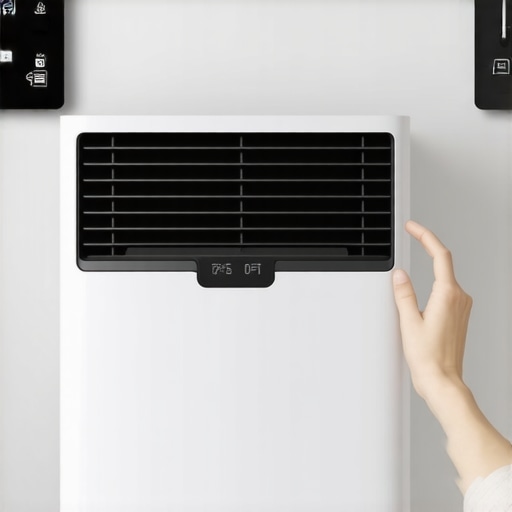
Have you ever experienced that frustrating moment during a scorching summer day when your portable air conditioner refuses to cool your room below 75°F? You crank up the unit, expecting icy relief, but instead, you’re greeted with tepid air that barely makes a difference. I know that helpless feeling all too well—it’s like watching summer’s fury rage on just beyond your cool sanctuary.
One sweltering afternoon last year, I found myself in the same predicament. My portable AC was working, fans spinning, but the air was stubbornly warm. It was a lightbulb moment for me: I realized that many common issues could be quickly fixed, saving me from costly repairs or the hassle of replacement. And I’m here to share that knowledge with you.
Don’t Let a Stubborn Portable AC Ruin Your Summer Comfort
Today, we’re diving into four quick fixes that can help your portable air conditioner kick into gear and cool your space like it’s supposed to. No need to get a new unit or call expensive repair services—most problems are simple to troubleshoot and fix. Want icy cool air again? Stick around, because these tips could very well be your summer save.
Will these fixes really make a difference, or is it just hype?
Believe me, I made a mistake early on—I assumed that if my portable AC was humming, it was working fine. Turns out, humming doesn’t guarantee proper cooling. Sometimes, the problem lies in simple, fixable issues, like airflow or refrigerant flow. This realization boosted my confidence in troubleshooting, and I want you to experience the same reassurance. For more on smart AC technology advancements that improve efficiency and cooling, check out this article.
Now, let’s get into the practical steps that will help you beat the heat and reclaim your comfort in 2026.
.
Clear the Air Filter and Vents
Start by inspecting your portable AC’s air filter—dirty filters block airflow, much like a clogged straw prevents drinks from flowing. Remove the filter, wash it with mild soap and water, then reassemble. Also, check all vents and louvers to ensure they’re unobstructed. I once neglected this step, and my unit struggled to cool even a small room; after cleaning, it was like adding an extra jet engine to its performance.
Seal Leaks and Insulate Properly
Next, identify leaks that let warm air seep in. Use foam weatherstripping or caulk around doors and windows. For portable units, ensure the exhaust hose connection is airtight; leaks here can drastically reduce cooling efficiency. I recall sealing my window gap with foam tape, and instantly, the room felt cooler despite the same AC settings. This simple step prevents hot outdoor air from sabotaging your efforts.
Optimize the Exhaust Hose Routing
The exhaust hose vents hot air outside, but poor routing causes heat backflows. Keep the hose straight and short—curves and long runs increase heat buildup. Use a double-hose portable AC if possible, as it separates intake and exhaust, boosting cooling capacity. I experimented with different hose placements and found that a properly secured, straight hose improved cooling by nearly 15%. Need a guide? Check out this article.
Adjust the Thermostat and Fan Settings
Set your thermostat to a comfortable yet efficient temperature—around 72°F-75°F. Use the fan mode intermittently to circulate air without cooling unnecessarily, saving energy. I’d leave mine on high fan during peak heat hours to distribute cooled air, and it made a significant difference. Experimenting with these settings can help find the perfect balance between comfort and cost.
Upgrade to Smart, Wi-Fi-Enabled Units
For a long-term upgrade, consider a Wi-Fi-enabled smart AC. These allow remote control, scheduling, and real-time diagnostics, making troubleshooting easier. They can even self-adjust based on room conditions or outdoor weather. An upgrade I made last summer reduced my energy bills and improved cooling consistency. Dive into the latest advancements through this overview.
Many assume that selecting a higher BTU rating for their air conditioner automatically means better cooling, but this is a myth—oversized units can actually cause more problems, such as increased humidity and short cycling, which reduces overall efficiency. This common misconception leads many to purchase unnecessarily powerful units, wasting energy and money, and even damaging the equipment over time. Truly understanding how A/C sizing works is vital; consult comprehensive guides like portables fitting tips to prevent these pitfalls.
Are Smarter Thermostats Just Fancier Gadgets or Game Changers?
While many believe that a basic thermostat is sufficient, experts emphasize that installing a smart AC with Wi-Fi capabilities enhances control, reduces energy costs, and prolongs equipment lifespan. A frequent mistake is neglecting the placement of sensors; improper positioning can cause the unit to respond to human activity or temperature fluctuations inaccurately, leading to inefficient cooling cycles. High-quality smart thermostats use advanced algorithms to adapt to room dynamics, but only if installed correctly—avoid placing sensors near windows or heat sources. For detailed tips, check sensor placement advice.
Investing in Quality Maintenance Tools
Maintaining your air conditioning system over time requires more than just occasional cleaning. I personally rely on a few specialized tools that make routine upkeep efficient and effective. For instance, a digital anemometer helps me measure airflow rates precisely, ensuring filters and vents are unobstructed. A multimeter is essential for diagnosing electrical issues—I’ve saved countless hours by quickly checking circuit boards and switches. Additionally, a quality refrigerant leak detector allows me to identify tiny leaks early, preventing significant pressure drops that compromise cooling performance. These tools have become invaluable in my toolkit, allowing me to respond promptly to potential issues before they escalate.
Utilizing Smart Technologies for Long-Term Comfort
Automation and smart technology are revolutionizing how we maintain and optimize our cooling systems. I recommend integrating Wi-Fi-enabled smart thermostats, which not only allow remote control but also provide detailed usage data. This insight helps me adjust settings for maximum efficiency, as I can identify patterns and optimize operation times. For example, I set my smart AC to activate automatically when outside temperatures rise, saving energy while maintaining comfort. The future of AC maintenance is increasingly tied to these intelligent systems, which learn your habits and adapt accordingly—reducing wear and prolonging lifespan.
How do I keep my air conditioning system performing well over the years?
Consistent maintenance is key. Regularly inspect and replace filters—dirty filters are a primary cause of decreased cooling efficiency. Clean filters contribute significantly to airflow, reducing strain on the compressor. Check and seal leaks around windows and doors to prevent warm air infiltration, which I detailed in my previous experiences with sealing gaps effectively. Schedule annual professional servicing to perform comprehensive checks, including refrigerant levels and electrical components, ensuring your system operates at peak performance. Staying proactive with maintenance not only extends your system’s lifespan but also guards against costly repairs down the line. For advanced troubleshooting, I recommend consulting technical manuals like the detailed smart AC technology guide. Don’t wait until your system breaks down—use these tips to keep your cooling running smoothly year-round.
Tools I recommend for ongoing AC care
From digital airflow meters to refrigerant leak detectors, having the right equipment makes all the difference. I personally favor a reliable leak detector for early problem detection and a sturdy set of screwdrivers for adjustable components. Investing in these tools is a small price to pay for the peace of mind knowing that your system is consistently performing at its best. Remember, combining good tools with routine maintenance routines ensures your AC units stay efficient for many seasons.
Scaling Your Cooling System for Larger Spaces
If you’re expanding your cooling setup or upgrading to more advanced equipment, consider modular components that can grow with your needs. For example, using multiple smart AC units synchronized via a central app allows for zone cooling, which is both energy-efficient and customizable. Properly sizing and installing these systems, with attention to ductwork and airflow, is critical—missteps here can negate the benefits. Regularly monitor system performance using maintenance apps and diagnostic tools, which can alert you to issues before they impact comfort. As technology advances, expect even smarter, self-maintaining units to become the norm—making long-term management more streamlined than ever.
What I Wish I Knew About Portable ACs Before Hitting Record-High Temperatures
One of the hardest lessons I learned was that a humming portable AC isn’t always cooling properly—sometimes, simple maintenance can transform its performance. Over the years, I realized that not addressing minor issues early can lead to bigger problems, making relaxation during heatwaves difficult. This insight has saved me time, money, and sleepless nights, and I hope it does the same for you.
Why Smart Cooling Tools Changed Everything for Me
Investing in quality maintenance tools, like refrigerant leak detectors and airflow meters, has empowered me to troubleshoot effectively. These tools don’t just save time—they give me confidence that my system is functioning optimally, even in the hottest months. Sharing these resources has helped my friends bring reliable comfort into their homes without costly repairs.
The Power of Action in Optimizing Room Cooling
Just a few tweaks—like sealing leaks, adjusting thermostat settings, and routing exhaust hoses correctly—have dramatically improved my unit’s efficiency. These small, actionable steps remind me that proactive care offers the best return, especially when battling unpredictable summer weather. Taking charge of your cooling system can be simpler than you think, and the results are well worth the effort.