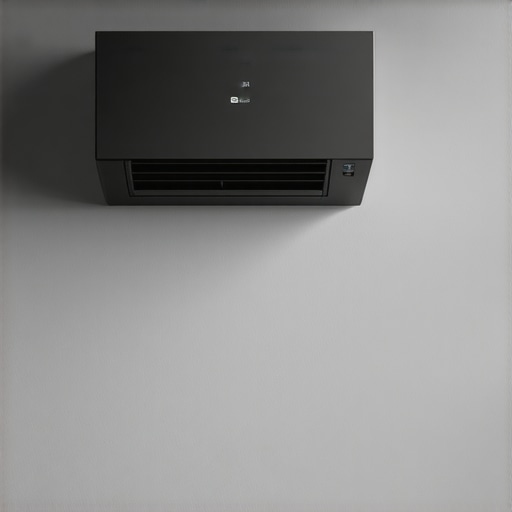
Have you ever sat in your sweltering room, desperately wishing for a cool breeze that never seems to arrive? I used to face this exact frustration every summer, battling with noisy, inefficient air conditioners that just couldn’t keep up. It was only after I made a few mistakes, like choosing a unit without smart features or ignoring energy efficiency, that I realized there’s a smarter way to stay cool. And trust me, the game changes when you pick the right smart AC for your space.
Why Smart ACs Are the Coolest Choice for 2024
In recent years, smart ACs have revolutionized the way we think about room cooling. These devices don’t just blow cold air—they connect seamlessly with your smart home gadgets, offer remote control from anywhere, and even learn your preferences over time. According to industry experts, smart ACs are projected to make up over 60% of the market share in 2024, reflecting a significant shift in consumer habits. If you’re tired of traditional units that are loud, clunky, or difficult to manage, it’s time to consider a smarter solution.
Have you ever bought an AC that promised everything but failed to deliver?
Early on, I made the mistake of rushing into a purchase without considering whether the unit was compatible with my Wi-Fi or offered energy-efficient features. I ended up with an underwhelming device that was hard to control and costly to run. That experience taught me the importance of researching features, reading reviews, and understanding what truly matters in a smart AC. Now, I want to help you avoid those pitfalls and find a unit that not only cools effectively but also integrates effortlessly into your lifestyle.
In this guide, we’ll explore the top picks for 2024, share essential buying tips, and answer common questions to ensure you make an informed decision. Ready to turn your hot, stuffy room into a cool oasis? Let’s dive in and find the perfect smart AC for your needs.
Identify Your Cooling Needs
Start by assessing the size of the room you want to cool. Use a simple room size calculator or consult guidelines to determine the BTU (British Thermal Units) needed. For example, a small bedroom might need a 5,000-6,000 BTU unit, while a larger living room could require 10,000 BTU or more. I once bought a unit for my 150 sq ft study without measuring, and it struggled to keep the space cool. Accurate sizing prevents waste of energy and ensures effective cooling.
Match Features with Your Lifestyle
Next, prioritize features based on your habits. If you want remote access, ensure the smart AC supports Wi-Fi connectivity and a compatible app. I remember choosing a model without verifying app compatibility, resulting in frustration when I couldn’t control it remotely. Look for voice control, scheduling, and energy-saving modes. For instance, some units learn your preferences and adjust settings automatically, which I found incredibly convenient — saving both time and electricity.
Compare Energy Efficiency Ratings
Efficiency is key to keeping bills low. Focus on units with high SEER (Seasonal Energy Efficiency Ratio) ratings. I once installed a cheap model with a low SEER, and my energy costs skyrocketed. Use resources like this guide to understand what ratings matter. Always check for ENERGY STAR certification, which guarantees the unit meets energy-saving standards. Properly matching the unit to your room size and efficiency needs optimizes cooling without inflating your bills.
Evaluate Compatibility and Smart Features
Ensure the smart AC integrates with your existing smart home ecosystem. If you use Alexa or Google Assistant, verify compatibility. I once bought a smart AC that wasn’t compatible with my voice assistant, making voice commands impossible. Read reviews and product specs carefully, and consider models that support multiple platforms. Also, check for firmware update options, which keep the device secure and improve functionality over time.
Set a Realistic Budget
Smart ACs range from budget-friendly to premium models. Decide your maximum spend after considering the features you need. Remember, spending a bit more on a reliable, energy-efficient model pays off in the long run. For instance, I invested in a top-rated portable smart AC, which not only cooled faster but also used less power, reducing my monthly bills.
Read Reviews and Test Before Buying
Always check customer reviews for real-world performance insights. If possible, test the unit in-store or buy from a retailer with a good return policy. My first purchase was a disappointment because I didn’t test the sound level or app responsiveness beforehand. Reviews often highlight common issues like noise levels or connectivity problems, helping you make an informed decision.
By following these steps, you’ll successfully select a smart AC that fits your room size, budget, and smart home setup, ensuring you stay cool efficiently and effortlessly in 2024.
When it comes to smart air conditioners, many people fall prey to misconceptions that can lead to poor purchasing decisions or underwhelming experiences. Let’s dig deeper into some of the most widespread myths and reveal the hidden nuances that can make or break your cooling setup.
Why Overestimating Smart Features Can Backfire
One common mistake is assuming that all smart ACs are created equal in terms of features and reliability. Many buyers are dazzled by flashy apps or voice control but overlook the importance of actual performance and compatibility. For instance, a unit that boasts advanced AI learning capabilities might sound impressive, but if it doesn’t integrate smoothly with your existing smart home ecosystem, it’s practically useless. Industry experts emphasize that compatibility and firmware updates are often overlooked, yet they are crucial for long-term satisfaction. To avoid this trap, always verify whether the smart features align with your ecosystem, whether it’s Alexa, Google Assistant, or Apple HomeKit. For a comprehensive comparison, check out this guide.
Are All Smart ACs Energy Efficient
Many believe that smart technology automatically means lower energy consumption. In reality, some units with numerous features can actually consume more power, especially if they’re not properly set up or if the smart functions are left running unnecessarily. A study published by the Department of Energy highlights that energy efficiency depends heavily on proper usage and sizing. Choosing a model with a high SEER rating and ensuring it’s correctly matched to your room size is more important than just picking the latest smart gadget. Remember, a smart AC that learns your habits is only effective if you use it wisely—setting schedules and enabling eco modes can make a significant difference.
Beware of the Myth That Bigger Is Always Better
It’s tempting to think that opting for a higher BTU rating means better cooling, but this can actually cause problems. An oversized unit will cool the air too quickly without removing enough humidity, leaving the room feeling clammy and uncomfortable. Conversely, an undersized unit struggles to keep up, especially during peak heat. The nuance here is understanding the importance of correctly sizing your smart AC for your space, which I learned the hard way when I purchased a 12,000 BTU unit for a 200 sq ft room. It cycled on and off excessively, wasting energy and causing wear. Proper sizing ensures efficiency and comfort. For more tips on sizing, visit this resource.
Smart HVAC Maintenance Is Often Overlooked
Many assume that smart ACs require less maintenance because of their modern design. However, neglecting routine upkeep—like cleaning filters, checking for firmware updates, or inspecting the vents—can significantly reduce efficiency and lifespan. Some advanced models even send alerts for maintenance needs, but users often ignore these warnings. Regular upkeep is essential to keep your smart AC performing at peak levels. Remember, technology can’t replace good old-fashioned maintenance. A well-maintained unit not only cools better but also saves you money in the long run.
Have you ever fallen into this trap? Let me know in the comments! Understanding these nuances ensures you don’t just buy a smart AC, but invest in a reliable, efficient cooling solution that truly enhances your home comfort.
Maintaining your smart air conditioner over time is crucial to ensure it continues to deliver efficient cooling and lasts for years to come. From routine filter cleaning to software updates, I rely on specific tools and methods that have proven effective in my experience. Regular upkeep not only preserves performance but also helps you avoid costly repairs down the line.
How do I maintain my smart AC over time?
The cornerstone of keeping your smart AC in top shape starts with routine filter replacement or cleaning. I use a high-quality, washable HEPA filter that I clean every month using compressed air and warm water. This simple step prevents dust buildup, improves airflow, and maintains air quality. For software, I frequently check for firmware updates via the manufacturer’s app—this ensures your device benefits from security patches and feature enhancements. I’ve found that enabling automatic updates whenever possible minimizes the hassle of manual checks.
Another essential tool I recommend is a digital multimeter. I use mine to periodically check the electrical connections and ensure the compressor and fan motors are operating within safe parameters. This helps catch potential issues early, preventing breakdowns. For more comprehensive diagnostics, I use a portable AC maintenance kit that includes refrigerant gauges, which I’ve used carefully to verify refrigerant levels and avoid inefficient operation due to low refrigerant.
Cleaning the external vents and ensuring unobstructed airflow is also vital. I employ a soft brush and a vacuum attachment to remove dust from vents, which can accumulate over time. An often overlooked but critical aspect is monitoring energy consumption. I use a smart plug with energy monitoring capabilities, which helps me track whether my AC is operating efficiently or if it’s consuming more power than usual, indicating potential issues.
Looking ahead, I believe the trend in smart AC maintenance will increasingly incorporate AI-driven diagnostics. These systems will proactively alert you to potential failures before they occur, saving money and hassle. Industry experts predict that by 2025, most smart units will feature embedded sensors that continuously monitor performance and send alerts via your smartphone.
For sustained performance, I encourage you to set a regular maintenance schedule—monthly filter cleaning, quarterly software checks, and yearly professional inspections. This proactive approach guarantees your smart AC remains an effective and energy-efficient cooling solution.
Try implementing these maintenance tips today, especially by leveraging your device’s firmware updates and energy monitoring tools. These small steps can make a big difference in your long-term comfort and savings.
The Hardest Lessons I Learned About Smart ACs
One of the biggest surprises I encountered was realizing that not all smart ACs are created equal in terms of long-term reliability. I once bought a model based solely on its app features, only to discover it frequently lost Wi-Fi connection, making remote control frustrating. That taught me the importance of verifying firmware update support and community reviews about stability, which are often overlooked but crucial for peace of mind.
My Essential Toolkit for Smart AC Maintenance
Over time, I’ve found that a good quality filter, a reliable firmware update source, and a smart energy monitor are indispensable. A washable HEPA filter keeps air quality high, while regular firmware updates ensure my device stays secure and functional. Using a smart plug with energy monitoring helps me identify inefficiencies early, saving money and extending my unit’s lifespan. These tools have become my secret weapons for optimal smart AC performance in 2024.
Don’t Hold Back Your Cool — Take Action Now
The future of smart ACs is bright, with more intuitive features and energy-saving capabilities than ever before. By applying these insights and choosing a model tailored to your needs, you can transform your home into a cool oasis effortlessly. Remember, the right smart AC isn’t just about staying comfortable — it’s about smart living and energy efficiency. Now’s the perfect time to upgrade your cooling game and enjoy smarter comfort all year round.
http://Sophia%20Martinez
Reading through this comprehensive guide on smart ACs really resonated with me, especially the part about matching features to your lifestyle. I used to overlook the importance of app compatibility and ended up with a unit that I couldn’t control from my phone, which was frustrating during hot days. Now, I always double-check these details before purchasing. Also, I’ve found that regular firmware updates not only improve functionality but also security, which is often underestimated. Does anyone have tips on how to verify long-term reliability, especially for lesser-known brands? I’d love to hear about experiences with different brands’ update policies and customer support. With the growing smart home ecosystem, it’s exciting to see how these devices can truly make life more comfortable if chosen wisely.
http://James%20Preston
This article highlights some really crucial points about choosing the right smart AC, especially the importance of correct sizing and compatibility. I’ve learned from personal experience how oversized units not only waste energy but also create discomfort by removing too much humidity from the air. Proper sizing truly makes a difference in maintaining comfort and efficiency. On the compatibility front, I’ve found that sticking to reputable brands with solid customer support and regular firmware updates has saved me a lot of headaches in the long run. I share Sophia’s concern about verifying reliability—reading user reviews, especially for lesser-known brands, can provide insights into their update policies and service quality. One question that comes to mind is: what are some reliable ways to test or verify a brand’s commitment to ongoing support before making a purchase? It’d be great to hear how others navigate this, especially with the influx of new brands entering the market.
http://Emma%20Carter
This guide really opened my eyes to the importance of matching the right smart features to your actual needs rather than just falling for flashy options. I’ve had my fair share of experience with smart ACs that promised connectivity but ended up being buggy and unreliable, especially when firmware updates were inconsistent. It’s interesting how crucial ongoing support and software stability are for long-term satisfaction. Personally, I believe that choosing brands with transparent update policies and active customer support makes a huge difference. I also found that properly sizing my unit based on my room’s BTU needs significantly improved comfort and energy efficiency. For those considering a smart AC, what methods do you use to verify the reliability of lesser-known brands? Does anyone recommend specific testing tricks or sources to evaluate a brand’s commitment to support? I’m curious to hear everyone’s tips, as I plan to upgrade soon and want to avoid the pitfalls of poorly supported devices.
http://Liam%20Johnson
Reading this post really made me think about how crucial proper sizing and support are when choosing a smart AC. I once purchased a unit that was a bit too powerful for my room, and it ended up cycling on and off excessively, which not only wasted energy but also made the environment feel less comfortable. Since then, I’ve learned that accurate measurements and understanding BTU ratings are essential to avoid these issues. Also, I completely agree with the point about verifying brand support and firmware updates; I’ve had bad experiences with brands that don’t upload updates regularly, leading to performance issues over time. Have any of you found reliable ways to assess a brand’s long-term support reputation before buying? I’d love to hear your strategies or resources for evaluating this aspect to ensure a smart AC will serve well for years to come.
http://Henry%20Cooper
This article made a good point about the importance of proper sizing and support when choosing a smart AC. I once bought a unit labeled as energy-efficient, only to find out it struggled during the hottest days because it was undersized for my room. This made me realize that understanding BTU ratings and room size calculations is key to efficiency. Additionally, I agree that verifying support and firmware updates is crucial—especially with newer brands entering the market. I’ve found that joining dedicated smart home forums or checking detailed user reviews often provides insights into how well a company supports their products long-term. Has anyone here found reliable resources or strategies to verify a brand’s ongoing support before making a purchase? I think extra due diligence in these areas can save a lot of hassle down the road.
http://Ava%20Richardson
This post really hit close to home for me, especially the part about matching smart features to your actual needs. I learned the hard way that not every smart AC’s AI learning capability is reliable or worth the extra cost if it doesn’t integrate well with your existing system. I’ve been using Alexa-enabled units for a while, and I’ve noticed that firmware stability can really make or break the user experience over time. The trick is to focus on brands that have a solid track record of regular updates and good customer support, which isn’t always obvious from reviews. I’ve also found that joining user forums or communities can give a good insight into whether a brand really keeps their devices up-to-date long-term. How do others here verify if a lesser-known brand will support their smart units well into the future? Do you rely on official support channels, or do you seek out user feedback first? Would love to hear your experiences because, for me, peace of mind about support makes all the difference when investing in smart tech.