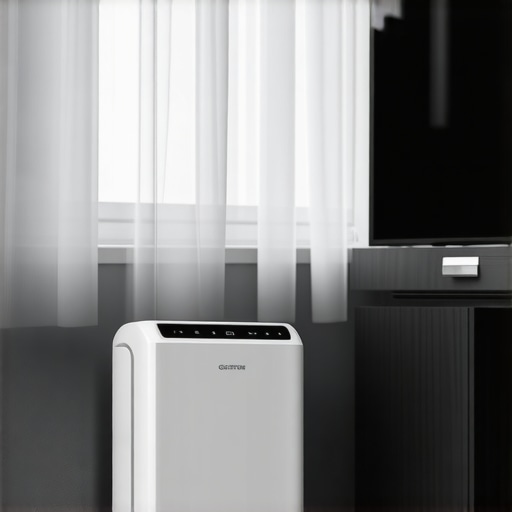
Have you ever felt the frustration of trying to beat the summer heat only to find your room remains stubbornly warm? I remember countless nights tossing and turning, desperately hoping that my makeshift cooling solutions would do the trick. It was a lightbulb moment when I realized most of my efforts were misguided, spending more on ineffective gadgets than on the right cooling system. Since then, my approach has transformed, and I want to share the secrets that can help you stay cool without breaking the bank or losing your sanity.
Why Staying Cool Matters More Than Ever in 2024
With climate change making heatwaves more intense and frequent, effective room cooling is no longer a luxury — it’s a necessity. According to the National Weather Service, some regions are experiencing record-breaking temperatures that can pose serious health risks, especially for vulnerable populations. That’s why choosing the right cooling system is crucial, not just for comfort but also for safety. Whether you’re working from home, sleeping, or just relaxing, a cool environment can significantly improve your quality of life.
But here’s the catch: not all cooling solutions are created equal. I’ve made the mistake early on of buying a cheap portable AC that promised a lot but delivered little. It was noisy, inefficient, and barely cooled the room. That mistake cost me both time and money, and I don’t want you to go through the same ordeal. The good news? There are smart, effective options tailored for different spaces and needs. From portable units that can be moved from room to room to energy-efficient window ACs that blend into your home — the right choice can make all the difference.
In this guide, I’ll walk you through the essentials of choosing the best cooling unit for your space, debunk common myths, and share tips based on my real-world experience. If you’ve ever questioned whether a portable or window AC is better for your home, or if you’ve hesitated because of concerns about energy consumption, stick around. By the end, you’ll be equipped to make an informed decision that keeps your room comfortably cool, energy-efficient, and hassle-free.
Is the Hype Around Portable and Window ACs Justified?
One of the biggest mistakes I made was underestimating the importance of proper sizing and installation. I bought a mini portable AC assuming it would cool my small apartment quickly — only to realize it struggled against the heat, and I wasted money on a unit that was too weak. That’s why I recommend doing your homework and understanding the differences, pros, and cons of each system. Curious about the latest innovations? Check out how smart AC technology is revolutionizing room comfort in 2025.
Now, let’s get into the practical steps to find your perfect cooling solution, so you can beat the heat and reclaim your comfort this summer.
Measure Your Space for the Perfect Fit
Start by accurately measuring your room’s dimensions, including length, width, and ceiling height. Think of it like buying the right-sized suitcase for a trip—overpack and you’ll struggle to close it, underpack and your essentials won’t fit. When I first measured my small apartment, I underestimated the size, leading to an undersized portable AC that couldn’t keep up. Using a tape measure, I noted my room was 12×10 feet with a 9-foot ceiling, which helped me choose a unit with the right cooling capacity.
Calculate the Cooling Power Needed
Use the simple formula: 20 BTUs per square foot of living space. For my 120 sq ft room, that meant I needed at least a 2,400 BTU unit. But don’t forget, factors like insulation, sunlight, and number of electronic devices can affect this. When I added a large window facing the afternoon sun, I bumped my BTU requirement to 3,000 to ensure effective cooling. This step prevents overspending on overly powerful units or suffering through ineffective cooling with too weak a model.
Choose Between Portable and Window Units
Decide what suits your lifestyle and space best. Portable units are like Swiss Army knives—they can move with you and require no permanent installation. Window units, on the other hand, are like built-in furniture—they save space and are often more efficient. I initially favored portable ACs for their flexibility but found that a well-installed window unit cooled my room faster and used less energy. Check out how portable vs. window units compare for your specific needs.
Assess Your Window and Power Supply
For window units, measure your window’s size to ensure compatibility. My first attempt failed because I bought a unit that was too big for my window frame, causing gaps and poor insulation. Additionally, confirm that your electrical outlet can handle the unit’s power requirements—most units need a dedicated 110V socket. I learned this the hard way when my circuit kept tripping, forcing me to upgrade my wiring—an annoying but necessary step.
Optimize Your Room Environment
Enhance cooling efficiency by sealing leaks around windows and doors with weatherstripping or draft stoppers. When I added weatherstripping around my window, I noticed a significant drop in the ambient temperature and less strain on my AC unit. Also, consider using fans in tandem with your AC—fans help circulate cool air more evenly, much like how a gentle breeze refreshes a summer day. This trick extended my AC’s effectiveness during peak heat hours.
Set the Right Temperature and Fan Speed
Set your thermostat to around 75°F (24°C). I experimented with lower settings but found that 75°F strikes a good balance between comfort and energy savings. Adjust fan speeds to high during the hottest parts of the day for quick cooling, then switch to lower speeds to maintain a steady, comfortable temperature without noise pollution. Remember, running your unit at a higher temperature for longer periods consumes less energy, which is a win-win.
Leverage Smart Technology for Effortless Control
If you opt for a smart AC, like those discussed in smart room cooling solutions in 2024, you can control your unit remotely via smartphone or voice commands. I installed a smart AC in my bedroom, and the convenience of turning it on before I arrive home transformed my summer experience. These units also learn your schedule, automatically adjusting settings to optimize comfort and save energy.
Regular Maintenance Keeps Efficiency High
Clean filters monthly and check for obstructions in air intakes and exhausts. During my first summer, neglecting filter cleaning caused a noticeable drop in cooling performance. A quick wash with mild soap restored efficiency and extended the unit’s lifespan. This simple step is like giving your cooling system a health check—vital for sustained performance.
Many people assume that selecting a cooling unit is as simple as picking the most powerful or the cheapest option. However, this oversimplification often leads to costly mistakes and subpar comfort. As someone who has navigated this journey extensively, I want to shed light on what most people get wrong about room cooling and how to avoid these pitfalls.
Why Bigger Isn’t Always Better for Your AC
One widespread myth is that a larger capacity AC will cool faster and more effectively. While it might seem logical, overestimating your cooling needs can backfire. Oversized units tend to cool the air quickly but then shut off prematurely, leading to inconsistent temperatures and increased humidity. This cycle not only wastes energy but also causes wear and tear on the system. Proper sizing, based on precise calculations like the room’s BTU requirement, ensures efficient and consistent cooling. For more insights, check out expert tips for selecting window ACs.
The Hidden Dangers of Ignoring Insulation and Air Leaks
Many overlook the importance of room insulation and sealing leaks. Even the most advanced AC cannot perform optimally if hot air infiltrates the space. Gaps around windows and doors, poor insulation, and unsealed outlets cause your system to work harder, increasing energy bills and reducing comfort. Investing in weatherstripping and proper sealing can significantly enhance cooling efficiency, often more than upgrading the unit itself. Remember, a well-insulated room is the foundation of effective cooling. Learn more about optimizing your room environment at energy-efficient room sealing tips.
The Overlooked Role of Smart Technology in Enhancing Cooling
While many focus solely on the physical attributes of an AC, they often ignore the potential of smart features. Smart ACs can learn your schedule, adjust settings automatically, and be controlled remotely, leading to better energy management and increased comfort. However, I’ve seen many dismiss these advanced features as unnecessary, only to regret it when they realize how much more convenient and efficient they are. Smart technology isn’t just a luxury; it’s a practical upgrade that makes your cooling system more responsive and economical. For top picks in this category, explore best smart ACs for 2024.
Have you ever fallen into this trap? Let me know in the comments. Avoiding these common mistakes can save you money, extend your system’s lifespan, and most importantly, keep your room comfortably cool when it matters most.
Maintaining your cooling system is crucial to ensure it performs optimally during the hottest months. Over time, even the best units need regular care to prevent breakdowns and prolong their lifespan. As someone who relies heavily on my cooling setup, I’ve found that using the right tools and following a consistent maintenance routine makes all the difference.
Invest in a Quality Vacuum and Brush Set
The most effective way to keep your AC running efficiently is to regularly clean the filters, coils, and vents. I personally use a handheld vacuum with a brush attachment to remove dust and debris from filters and vents without risking damage. This simple step prevents dust buildup that can hinder airflow and cause your unit to work harder, consuming more energy. For coil cleaning, I recommend a coil brush specifically designed for HVAC systems, which I’ve used to gently scrub away dirt from the condenser and evaporator coils. Regular cleaning with these tools ensures maximum heat exchange and energy efficiency.
Use Digital Thermometers and Smart Plugs for Better Control
Monitoring your room temperature accurately is essential. I rely on a digital thermometer with a remote sensor to check different parts of my room, ensuring my AC maintains the desired temperature consistently. Additionally, smart plugs allow me to schedule and control my units remotely, reducing unnecessary operation and saving energy. Consider integrating smart plugs with your smart home system for seamless control, especially if you’re using smart ACs. This combination helps you keep the system in top shape and prevents overuse.
Master the Art of Filter Replacement and Coil Maintenance
Changing filters regularly is a simple yet vital task. I mark my calendar to check filters monthly, replacing them when dirty. For coil maintenance, I use a spray coil cleaner designed for HVAC units, which dissolves grime and dust buildup. Follow the manufacturer’s instructions carefully and wear gloves for safety. Keeping coils clean boosts cooling efficiency and reduces strain on your compressor, extending the lifespan of your system.
Leverage Software and Apps for Troubleshooting
Many modern cooling units come with diagnostic apps or built-in self-check features. I’ve used these tools to identify issues early, such as refrigerant leaks or sensor malfunctions. Regularly reviewing diagnostic reports can help you schedule professional maintenance before minor problems turn into costly repairs. Check if your smart AC or portable unit offers such features, and make it a habit to monitor its health periodically.
Where Do I Maintain My Cooling System Over Time
Consistency is key. Schedule seasonal inspections with HVAC professionals to perform comprehensive checkups, including refrigerant levels and electrical connections. Keep the area around your units clear of debris and ensure ventilation is unobstructed. Implementing a routine maintenance plan, combined with the right tools, ensures your system remains reliable and efficient for years to come. Looking ahead, expect smart technology to become even more integrated into home cooling, offering predictive maintenance and remote diagnostics—making it easier than ever to keep your system running smoothly.
Don’t forget to try out advanced cleaning tools like coil cleaners and invest in a good set of maintenance gadgets. These small investments can save you money on repairs and keep your room refreshingly cool all summer long. For more detailed guides, check out best smart ACs for room cooling in 2024.
The Hardest Lesson I Learned About Room Cooling
One of my biggest mistakes was assuming bigger is always better. I bought an oversized AC unit that cooled the room too quickly, leading to excessive humidity and short cycling. It not only wasted energy but also wore out faster. Now I understand that precise sizing based on BTUs makes a real difference. Knowing this saved me from many headaches and unnecessary expenses.
3 Myths About Room Cooling That Held Me Back
Myth one: Portable ACs can’t cool effectively. Reality: With proper sizing and placement, portable units can be just as efficient, especially in small spaces. Myth two: Window units are noisy and disruptive. Reality: Modern units are quieter than ever and can be scheduled to run during off-peak hours. Myth three: Bigger capacity means better cooling. Reality: Oversized units waste energy and cause humidity issues. Learning these truths helped me choose smarter solutions.
What Experts Won’t Tell You About Staying Cool
Many overlook the importance of sealing leaks and insulating rooms. Even the best AC struggles if warm air infiltrates. Sealing gaps around windows and doors with weatherstripping can dramatically improve efficiency. Also, combining AC use with ceiling fans or oscillating fans creates a more comfortable environment without overworking your cooling system. These small adjustments can make a big difference in comfort and savings.
My Essential Toolkit for Effective Room Cooling
I’ve come to rely on a few key tools: a digital thermometer for accurate temperature readings, a coil cleaner for maintenance, and a smart plug to schedule and control units remotely. These tools help me keep my cooling system running smoothly and efficiently. Investing in good maintenance gear prevents breakdowns and extends the lifespan of my units, saving money in the long run.
Where to Go from Here
If you want to upgrade your room cooling setup, start by measuring your space accurately and choosing the right BTU capacity. Consider smart ACs for convenience and energy savings, and don’t forget about sealing and insulation. Regular maintenance is essential, and tools like coil brushes and smart plugs can make a difference. For specific recommendations, check out top smart ACs in 2024. Remember, effective cooling is a combination of right equipment and good habits—embrace both for the best results.
http://Emily%20Carter
Reading through this comprehensive guide really resonated with me, especially the part about proper sizing and installation. I made a similar mistake when I bought a small portable AC for my apartment, thinking bigger would be better. It struggled to cool the space effectively, and I wasted money on a unit that was too weak. Since then, I’ve learned the importance of calculating the right BTU capacity based on room size and environmental factors. I also started sealing leaks around my windows with weatherstripping, which made a noticeable difference in cooling efficiency.
One aspect I’m curious about is how smart technology can further improve our cooling experience. Has anyone seen significant energy savings or comfort improvements after integrating smart thermostats or remotely controlled units? I’d love to hear about real-world experiences or recommendations for affordable, reliable smart ACs that are easy to set up.
http://Benjamin%20Harper
This article really highlights the importance of proper sizing and sealing when it comes to effective cooling. I can relate, as I once bought a portable unit that was undersized for my living room. It struggled to keep up, especially on hot days, and I ended up installing a window unit instead. Since then, I’ve been experimenting with smart thermostats and remote-controlled ACs. I’ve noticed that setting my system in advance and controlling it via my phone really helps optimize comfort and energy use. The ability to schedule cooling periods during off-peak hours also reduces my electricity bill.
Have others found that integrating smart technology significantly impacts their energy savings or comfort levels? I’m curious if the added convenience outweighs the initial setup effort, especially for those with limited technical know-how.
http://Lena%20Morris
This post really resonated with my experiences. I used to rely on portable AC units that promised a lot but often underperformed, especially during the peak summer days. Since I started paying more attention to proper sizing and sealing my windows, the difference in my room temperature control has been noticeable. I particularly like that you mentioned smart technology — I recently installed a compatible smart thermostat, and controlling my AC remotely has been a game changer. It not only makes managing the temperature more convenient but also helps me reduce my energy bills by avoiding unnecessary usage.
From your experience, do you think that smart tech can truly optimize energy consumption in the long run, or does it mostly add convenience? I’ve read conflicting opinions on how much these features actually save in the bigger picture. Also, for those just starting with smart controls, do you have recommendations for user-friendly and budget-friendly options?
It’s inspiring to see practical tips that can be tailored to different needs. What are your thoughts on the best ways to combine weatherproofing and smart features for maximum efficiency?
http://Julia%20Morgan
This guide is incredibly helpful, especially the tips on sizing and sealing. I’ve been through the frustration of purchasing a small portable AC that couldn’t handle my hot summer days; it’s a common mistake I see others make too. One thing I’ve found beneficial is combining a good AC unit with smart control features. For me, being able to turn on the AC remotely or schedule it through an app has made a huge difference in managing energy consumption and maintaining comfort. Have others noticed that smart tech not only adds convenience but also helps in reducing costs over time? I’d love to hear any specific product recommendations that are budget-friendly, yet effective. Also, what are your thoughts on the best ways to balance weatherproofing—like sealing leaks—with smart technology for maximum cooling efficiency? It’s fascinating to think about how these small adjustments can create such a noticeable improvement. I’m curious about what experiences others have had with integrating these solutions and whether they’ve seen long-term savings.