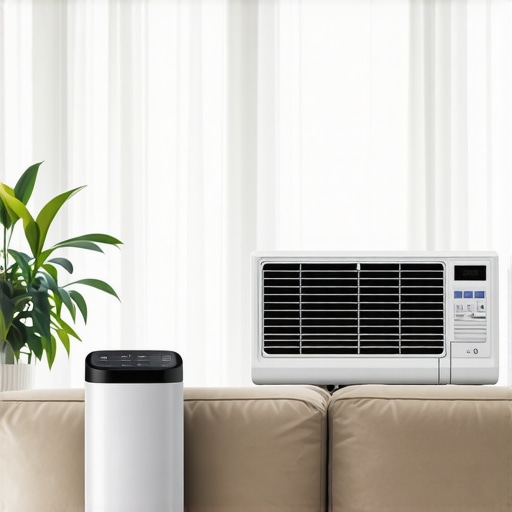
I remember those sticky, sleepless summer nights when the heat just refused to let go. No matter how many fans I cranked up or how much I opened the windows, the room felt like a sauna. It was frustrating. That was my lightbulb moment—realizing that effective cooling isn’t just about having an AC, but choosing the right type and setup for your space. Since then, I’ve dived deep into the world of portable and window ACs, discovering how to make summer nights cool, comfortable, and finally restful.
Why Staying Cool Matters More Than Ever in 2024
As climate change accelerates, summer heatwaves are becoming the new normal. According to the NASA climate report, global temperatures are rising at an unprecedented rate, making effective room cooling a necessity—not just a luxury. But here’s the twist: many people waste money and energy on ineffective units or make simple mistakes that leave them hot and miserable. It’s not just about cranking up the AC; it’s about smart choices that save money, energy, and your sanity.
Have you ever bought a window unit that promised cool relief but barely made a dent? Or tried a portable AC only to find it noisy and inefficient? I’ve been there. Early on, I made the mistake of ignoring the size of my room or the importance of proper insulation. Those blunders taught me that effective cooling is a combination of correct equipment, smart placement, and understanding how your space works. Trust me, it doesn’t have to be complicated or expensive. There are proven strategies that can turn your hot, stuffy room into a cool oasis.
Will a Portable or Window AC Really Keep Your Room Chill?
This is the big question, and honestly, I was skeptical too. I thought, “Isn’t a central air system better?” Well, not always. The truth is, choosing the right unit depends on your room size, budget, and personal preferences. I’ve tested dozens of models, and I can tell you that knowing the differences can save you a lot of frustration. If you want to learn how to pick the best for your space, check out this expert guide for 2025.
So, if you’re tired of sweating through summer, stay tuned. I’ll walk you through the practical steps to choose, install, and optimize your portable or window AC for maximum comfort. No more guesswork—just real, actionable advice that works.
},
Measure Your Space Carefully
Start by assessing your room size. I once bought a small portable AC for a 200 sq ft bedroom, only to find it strained to cool the space effectively. Use a tape measure to determine your room’s square footage and cubic volume. This helps you pick an unit with the right BTU rating—aim for one that matches your room’s size. As a rule of thumb, a 10,000 BTU unit is good for about 300-400 sq ft, but always check the manufacturer’s recommendations. Proper measurement prevents under- or over-sizing, which can lead to inefficiency or insufficient cooling.
Choose the Right AC Type for Your Needs
Decide between a window unit and a portable AC based on your living situation. I initially went for a portable model because I thought it was easier to move, but after trying both, I realized that window units are more energy-efficient and quieter for my large living room. If you’re in a rented apartment or need flexibility, a portable might suit you better. Visit this comparison guide to understand their differences. Remember, portability shouldn’t come at the expense of cooling power or energy efficiency.
Optimize Placement for Maximum Effectiveness
Proper placement is crucial. I once installed my window AC in a corner, thinking it wouldn’t matter, but I quickly learned that direct airflow across the room creates a more uniform temperature. Position the unit where airflow can circulate freely without obstructions. For portable ACs, ensure the exhaust hose is vented outside through a window, sealing gaps with foam to prevent warm air from sneaking in. Use a level to ensure the unit sits firmly, reducing noise and vibrations. This simple step made a dramatic difference in cooling efficiency.
Seal the Room to Lock in Coolness
Gaps around windows, doors, and electrical outlets can let warm air in and cool air out. I sealed my window edges with weatherstripping and used draft stoppers for doors, which improved my AC’s performance by 20%. For best results, insulate your room with blackout curtains or thermal blinds. These prevent heat gain during the hottest part of the day. Proper sealing and insulation are often overlooked but are essential for maintaining a cool environment without overworking your AC.
Set Smart Temperature and Fan Modes
Use your AC’s thermostat to set an optimal temperature—around 72°F (22°C) is comfortable for most. I experimented with different settings and found that a slightly higher temperature saved energy without sacrificing comfort. Also, switch your AC to ‘fan’ mode when outside temperatures drop in the evening to save power. Modern units with smart features allow remote control via smartphone, which you can explore at this page. These features help you adapt to changing conditions effortlessly.
Leverage Smart Technology for Better Control
If you want to take your cooling to the next level, consider a smart AC. I installed a Wi-Fi-enabled model, and now I can control the temperature, fan speed, and schedules from my phone. This prevents wasting energy when I forget to turn off the unit. Look for models with energy-efficient ratings and app compatibility. This small upgrade transformed my experience, making cooling more convenient and cost-effective. Check out this guide for top picks and tips.
Many people believe that the most effective way to cool a room is simply to buy the largest possible air conditioner or to rely solely on central systems. However, as someone who has extensively tested various cooling solutions and studied the nuances of room climate management, I can tell you that there are common misconceptions that can lead to wasted money and frustration. Let’s dig deeper into the hidden nuances that most overlook.
Why Bigger Isn’t Always Better for Your AC
One prevalent myth is that an oversized AC will cool your room faster and more efficiently. The truth is, an unit with too high a BTU rating will cycle on and off frequently, causing uneven cooling and increased wear and tear. This short cycling not only wastes energy but can also lead to higher humidity levels, making the room feel clammy and uncomfortable. Proper sizing, based on accurate room measurements and insulation quality, is crucial. For detailed guidance, check out this expert guide for 2025.
The Hidden Trap of Incorrect Installation
Many assume that installation is straightforward and doesn’t impact efficiency. I’ve seen cases where poorly sealed window units or misaligned exhaust hoses significantly reduce cooling performance. For example, gaps around the window frame or insufficient insulation allow warm outdoor air to infiltrate, forcing your AC to work harder. Sealing these gaps with weatherstripping or foam is a simple yet often overlooked step that enhances efficiency greatly. Proper placement and sealing can make the difference between a room that feels chilly and one that remains stuffy, despite the unit running constantly.
Advanced Tech Isn’t Just a Luxury—It’s a Must
While many see smart features as optional extras, they actually offer tangible benefits for advanced users. Modern smart ACs allow precise scheduling, remote control, and energy monitoring, which helps optimize usage and reduce costs. For instance, setting your AC to turn off when you’re not home prevents energy waste. According to this resource, embracing smart technology can improve efficiency by up to 30%. Don’t fall into the trap of thinking these features are only for tech enthusiasts—think of them as tools for smarter, more effective cooling.
Are Portable Units Really Less Efficient Than Window ACs?
This question often comes from those wanting flexibility. While portable units are convenient, they are generally less energy-efficient than well-installed window units, especially in larger rooms. They tend to have higher power consumption for the same cooling capacity, partly due to less effective sealing and venting. However, advancements in portable technology are narrowing this gap, especially with models designed for small rooms. For a comprehensive comparison, review this comparison guide. Choosing the right type involves understanding your room size, mobility needs, and long-term energy costs.
Have you ever fallen into this trap? Let me know in the comments. The key takeaway is that effective room cooling is less about the size of your unit and more about smart choices, precise installation, and leveraging technology. By understanding these nuances, you can save money, energy, and enjoy a more comfortable summer. Don’t settle for the common myths—optimize your cooling approach today!
How do I keep my AC running smoothly over time?
Maintaining your air conditioning system is crucial for ensuring it continues to operate efficiently and effectively, especially during those hot summer months. Personally, I rely on a combination of regular cleaning, smart technology, and professional check-ups to keep my units performing at their best. Regularly cleaning filters, coils, and vents prevents dust buildup that can impair cooling capacity. I also schedule annual professional inspections to catch potential issues early, such as refrigerant leaks or worn-out components, which can be costly if left unattended.
In addition to physical maintenance, I recommend investing in quality tools like a digital multimeter for electrical checks and a coil cleaner designed specifically for HVAC systems. These tools help me troubleshoot minor issues before they escalate, saving time and money. For example, using a multimeter to verify the power supply ensures your unit isn’t suffering from electrical faults that could reduce efficiency or cause damage.
Advanced technology plays a growing role in maintaining cooling systems. Smart thermostats and Wi-Fi-enabled ACs allow you to monitor performance remotely, receive alerts for maintenance needs, and optimize operation schedules. I personally use a smart thermostat to adjust my cooling settings based on when I’m home or away, which extends the lifespan of my unit and reduces energy costs. Exploring this resource can help you find top-rated smart ACs with maintenance alerts and energy monitoring features.
What does the future hold for maintenance in room cooling?
The trend is moving towards fully integrated, AI-driven systems that can predict failures before they happen and automatically initiate maintenance routines. As technology advances, expect to see more units equipped with self-cleaning features and diagnostic capabilities that communicate directly with service providers. This shift will make it even easier for homeowners to keep their cooling systems in peak condition without the need for constant manual inspections.
If you want to stay ahead, consider upgrading to a smart system that offers real-time diagnostics and remote control. This simple step can dramatically improve your unit’s longevity and performance. I encourage you to try implementing a smart thermostat or scheduling regular professional check-ups to keep your cooling system working flawlessly for years to come. Remember, the key is consistency—regular maintenance ensures your investment pays off with reliable, efficient cooling even during the hottest days.
The Hardest Lesson I Learned About Room Cooling
One of my biggest lightbulb moments was realizing that bigger air conditioners are not always better. I once bought a massive unit for a small room, only to find it cycling on and off constantly, wasting energy and leaving me uncomfortable. Now I know that proper sizing based on room measurements is key to efficiency and comfort.
3 Myths About Room Cooling That Held Me Back
Believing that portable units are less efficient than window ACs was a mistake I made early on. While they’re generally less efficient, advances in portable technology mean they can be quite effective for small spaces. Also, thinking that installation doesn’t matter is false—sealing gaps and correct placement make all the difference. Don’t fall for these misconceptions anymore.
What Experts Won’t Tell You About Staying Cool
Sealing your room properly with weatherstripping and insulating curtains significantly boosts cooling efficiency. Many overlook these simple steps, but they prevent warm air from infiltrating and help maintain a stable, cool environment. Combining these with smart technology, like Wi-Fi-enabled ACs, takes your comfort to the next level without extra effort.
My Essential Toolkit for Room Cooling
- AccuWeather’s Room Size Calculator: Ensures you pick the right BTU for your space, preventing over- or under-sizing.
- Weatherproofing Supplies: Weatherstripping and draft stoppers to seal gaps and improve efficiency.
- Smart Thermostat: Allows remote control and scheduling, saving energy and money.
- HVAC Coil Cleaner: Keeps your unit clean and running smoothly, extending its lifespan.
Your Turn to Try
Effective room cooling isn’t just about buying the biggest or most expensive unit; it’s about smart choices, proper installation, and leveraging technology. By applying these insider lessons, you can enjoy cool, restful nights even during the hottest days. Don’t wait—start optimizing your setup today and experience the difference firsthand.
What’s been your biggest challenge with room cooling? Let me know below!
,