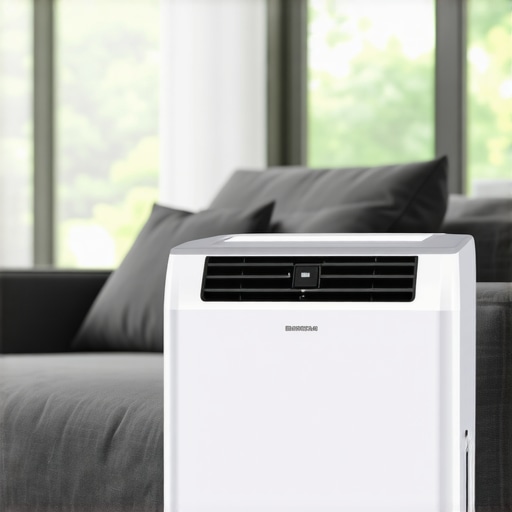
Ever tried to beat the scorching heat only to realize your old, noisy window unit isn’t cutting it anymore? I remember countless summer days when I’d crank up my AC, only to be met with uneven cooling, high energy bills, and frustration. There was a moment last year when I finally snapped—my traditional window AC was outdated, inefficient, and frankly, a pain to maintain. That was my lightbulb moment to explore smarter, more efficient cooling options that fit modern homes and busy lifestyles.
Why Cooling Comfort Matters More Than Ever
As temperatures keep rising, especially during peak summer months, having a reliable cooling system is no longer a luxury but a necessity. Not only does a good AC keep your space comfortable, but it also impacts your health, productivity, and overall mood. The challenge is finding an AC solution that’s effective, energy-efficient, and easy to manage—without breaking the bank or sacrificing convenience.
Have You Faced This Problem?
If you’ve ever struggled with noisy window units, limited portability, or sky-high energy bills, you’re not alone. I’ve been there. Early on, I made the mistake of choosing the cheapest model, only to regret it when it broke down after a season. That mistake taught me that investing in quality, energy-efficient models pays off in the long run. For instance, modern smart ACs now use advanced technologies that can cool faster and save energy—more on that later. To get started on the right foot, I’ll guide you through selecting the best portable and window ACs that suit your needs in 2024. Curious about the latest innovations? Check out how smart AC technology is revolutionizing home cooling this year.
So, if you’re tired of sweating through another summer with subpar cooling solutions, stay tuned. I’ll share practical tips, honest reviews, and expert insights to help you choose the perfect AC for your home. Because everyone deserves a cool, comfortable space—without the hassle.
Select the Right Cooling System for Your Space
Start by assessing the size of your room. Use a simple calculator or chart to determine the BTU capacity needed. For example, a room of 200 sq ft typically requires around 8,000 BTUs. This ensures efficient cooling without overpaying on energy bills. When I replaced my old window unit, I measured my living room and found a model with 10,000 BTUs suited my space perfectly, balancing power and efficiency.
Compare Portable and Window Units Effectively
Think of portable ACs as the Swiss Army knives of cooling. They are versatile and easy to move, ideal for renters or temporary needs. Window units, however, are like custom-fit suits—more efficient for a fixed space. I once used a portable model in my bedroom, which I could easily relocate to cool the living room during gatherings. For detailed comparisons, check this portable vs. window AC guide.
Prioritize Energy Efficiency and Smart Features
Look for models with high Energy Efficiency Ratio (EER). Modern smart ACs connect seamlessly to your Wi-Fi, allowing remote control and scheduling. This is like having a personal thermostat assistant. I installed a smart AC last summer, which I controlled via my smartphone, saving me from unnecessary cooling when I was out. For top picks, explore this best smart ACs article.
Optimize Your Cooling Setup for Peak Performance
Position your AC correctly. Place units away from direct sunlight and obstructions to maximize airflow. Use curtains or blinds to block heat gain, especially in south-facing windows. I once installed my window AC slightly above eye level for better air circulation, which improved cooling efficiency significantly. For expert placement tips, see this window AC placement guide.
Leverage Technology for Effortless Comfort
Consider models with the latest smart technology. These units learn your habits and adjust settings automatically, conserving energy and maintaining comfort. I upgraded to a smart AC last year, and now I can set it to cool my bedroom before I wake up, ensuring a perfect start to my day. This investment drastically reduces manual adjustments and energy waste.
” alt=”Smart AC control app on smartphone” title=”Smart AC technology in action” />
Many people assume that choosing the most powerful air conditioner guarantees the coolest room, but this is a common misconception. Oversizing your AC can lead to short cycling, where the unit turns on and off frequently, preventing proper dehumidification and causing discomfort. Proper sizing based on room size and insulation is crucial for efficient cooling. For expert advice, check out our guide on selecting the right window AC.
Why do some smart ACs cost more without providing better cooling?
Many believe that spending more on a smart AC automatically means better performance. In reality, features like Wi-Fi control or voice commands add convenience but don’t necessarily improve cooling capacity. The real performance depends on the compressor, fan design, and insulation of your space. An advanced smart AC with poor insulation won’t cool effectively regardless of its smart features. To avoid this trap, focus on the core cooling specs and energy efficiency ratings. For a detailed comparison, see our smart AC buying guide.
Beware of the myth that portable ACs are always less efficient than window units
This is not always true. While traditional wisdom suggests window units are more efficient, modern portable ACs have improved significantly, especially models with dual-hose designs and high EER ratings. The key is proper placement, sealing, and choosing models suited for your room size. Sometimes, a well-chosen portable AC can outperform a poorly installed window unit. For insights into maximizing portable AC efficiency, check out our portable vs. window comparison.
How does smart technology really change the way we cool rooms?
Smart ACs are often praised for their convenience, but their true value lies in advanced features like learning your habits, optimizing energy use, and remote management. However, they can also lead to misconceptions—some users think smart features replace the need for proper sizing or insulation, which is false. The technology enhances control but doesn’t compensate for poor room design. To make the most of smart ACs, pair them with good insulation and correct sizing. Discover the latest innovations in smart AC technology.
Have you ever fallen into this trap? Let me know in the comments.
Once you’ve invested in a smart or traditional air conditioner, keeping it in top shape becomes essential for sustained performance. Regular maintenance not only extends the lifespan of your units but also ensures they operate at maximum efficiency, saving you money on energy bills and preventing unexpected breakdowns. One of my favorite tools for this purpose is a high-quality vacuum pump, which I use to clean the filters and internal components of my AC units, especially my smart ACs that have intricate airflow paths. These pumps help remove dust and debris that accumulate over time, reducing strain on the compressor and fan.
How do I maintain my cooling systems over time?
My routine begins with monthly filter checks. I replace or clean filters based on the manufacturer’s recommendations. For instance, some smart AC models notify me via their app when filters need attention, which is incredibly convenient. Additionally, I use a microfiber cloth to wipe down the coils and vents, preventing dust buildup that hampers heat exchange. For deep cleaning, I rely on a coil cleaner spray and a soft brush, which I apply carefully to avoid damaging delicate fins. In terms of software, I make sure my smart AC firmware is always updated to benefit from the latest efficiency improvements and security patches. Keeping the firmware current can also improve the unit’s ability to learn your habits, optimizing cooling patterns and reducing unnecessary energy consumption.
Another tool I highly recommend is a digital multimeter. I use it to check voltage and current flow in my units, especially if I notice irregular operation or strange noises. This helps me identify electrical issues early before they cause major damage. For portable ACs, I also inspect the exhaust hoses and seals to ensure they are airtight; leaks can significantly reduce cooling efficiency. Regular inspections and cleaning are simple yet effective methods to keep your system running smoothly year after year.
Looking ahead, I believe the trend toward smarter, self-maintaining AC systems will grow. Companies are developing units with self-cleaning filters and diagnostic features that alert you to potential issues via your smartphone. This evolution will make maintenance even easier and more proactive, minimizing downtime and extending appliance lifespan. To stay ahead, I recommend trying out advanced maintenance routines like using an ultrasonic coil cleaner—an innovative tool that can loosen deep-seated dirt without disassembly, which is ideal for maintaining high-end smart ACs.
By integrating these tools and habits into your routine, you’ll ensure your cooling system remains efficient and reliable, providing comfort throughout the hot months. Don’t wait for your unit to fail—start your maintenance today and enjoy cool, comfortable spaces all summer long!
The Hardest Lesson I Learned About Room Cooling
Investing in the latest smart ACs is tempting, but I once bought a high-end unit with all the bells and whistles only to realize it didn’t match my room’s insulation. The smart features were fantastic, but poor room sealing meant I wasted energy and still felt warm. It taught me that size and insulation matter more than smart bells and whistles, a lesson I wish I knew earlier.
Why Bigger Isn’t Always Better for Your AC
I used to think that getting the most powerful AC would cool my space faster and better. Turns out, oversizing causes short cycling, which leads to uneven cooling and increased energy bills. Proper sizing based on room size and insulation is crucial. For precise guidance, check out expert tips on selecting the right window AC.
The Myth of Instant Coolness and Energy Waste
I believed that running my AC at full blast all day would keep it cool, but I learned that this wastes energy and strains the unit. Instead, smart scheduling and temperature settings are more effective. Using smart ACs that learn your habits can maintain comfort while saving energy. Discover how smart technology transforms room cooling.
Understanding the Power of Proper Placement
Placing my window AC in direct sunlight or blocking vents hindered its efficiency. When I positioned it away from heat sources and used curtains to block solar gain, I saw a noticeable difference. Good placement is often overlooked but makes a big impact. For expert placement strategies, visit placement tips for window ACs.
Embracing Future-Ready Maintenance and Smart Features
Regular cleaning kept my smart AC running smoothly, but I discovered newer units with self-cleaning filters and diagnostic alerts. These innovations mean less manual maintenance and more reliable operation. I recommend trying tools like ultrasonic coil cleaners for deep cleaning without disassembly, prolonging your AC’s lifespan. Stay ahead with next-generation smart ACs that simplify upkeep.
http://Sophia%20Mitchell
This post really resonated with me because I recently upgraded to a smart window AC, and the difference in efficiency and convenience is remarkable. I especially appreciate the emphasis on proper placement and sizing—these factors are often overlooked but can make or break your cooling experience. Personally, I found that sealing leaks and using reflective curtains significantly improved my unit’s performance, even with a smaller capacity. It makes me wonder, how do others here approach maintaining optimal insulation throughout the summer? Also, with eco-conscious living in mind, I’m curious whether anyone has experimented with energy-saving modes and seen noticeable savings without sacrificing comfort. Would love to hear some personal tips or experiences on maximizing smart AC features for year-round efficiency.
http://Liam%20Carter
Your post really hit home about the importance of choosing the right AC and proper setup. I recently transitioned from an old window unit to a portable AC, and the difference has been night and day. Moving the unit around to different rooms as needed adds so much flexibility, especially since I rent my place and can’t make permanent modifications. I also invested in a smart thermostat for my portable, which has helped me schedule cooling times more precisely and reduce energy waste. The key, as you mentioned, is matching the capacity to the room size and ensuring proper placement away from direct sunlight. I’ve found that sealing leaks around windows and doors can lower the load on the AC, making it more effective. Have you or others here tried combining smart features with insulation tweaks? I’m curious whether those small improvements can really add up for significant energy savings and better cooling, especially during the peak summer months.
http://Evelyn%20Scott
This post offers some truly practical insights that resonate deeply with my own experience of upgrading my home’s cooling system. I’ve found that smart ACs not only make managing temperature more convenient but also significantly cut down on energy costs when used correctly. What I’ve noticed is that proper placement and insulation are just as crucial as selecting the right model. I personally sealed all leak points around my windows and doors and installed reflective window films, which noticeably improved cooling efficiency without the need for a larger or more powerful unit. Also, using scheduling features during peak heat hours helps me avoid overcooling, saving on energy bills. I wonder, for those who have incorporated smart features into older, less insulated rooms, have you observed a net positive in energy savings? Or do these advanced systems struggle to compensate for poor room insulation? Would love to hear tips on balancing technology with home maintenance to get the best out of a smart AC system.