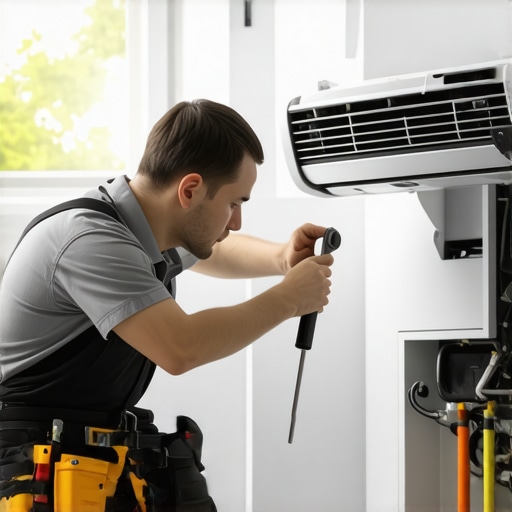
Ever experienced that sinking feeling when your split air conditioner starts dripping excess water all over your floor? One minute, I was happily cooling my living room, and the next, I was dealing with a mini indoor waterfall. That lightbulb moment hit me hard: a clogged drain was lurking behind the chaos. It was frustrating, especially since I rely heavily on my AC during the hot summers, and any leak can turn comfort into a mess fast.
Why a Clogged Split AC Drain Can Spoil Your Summer
Keeping your AC draining smoothly isn’t just about avoiding those embarrassing indoor puddles. A blocked drain can seriously impair your unit’s efficiency, lead to water damage, or even cause costly repairs if left unchecked. What’s worse, many folks don’t realize that ignoring this simple issue can push your energy bills higher—because your AC has to work harder to keep your space cool.
Question to Consider: Have You Faced Persistent Leaks and Wondered If Your AC is Dying?
Early in my troubleshooting, I made the mistake of ignoring tiny leaks, assuming they were just minor inconveniences. But I learned the hard way that these are often the first signs of a blocked drain, and letting them go only makes matters worse. Trust me; these issues are more common than you’d think, especially with the increasing use of smart and portable AC units that need proper maintenance. For insights on the latest smart ac features, check out how smart AC technology is transforming room cooling in 2025.
So, today, I’ll walk you through five professional steps to clear that stubborn clog and prevent future leaks. Whether you’re dealing with a split AC or a portable unit, these tips will help you keep your cooling system in top shape, saving you time and money. Ready to make your AC leak-proof in 2026? Let’s dive into these easy, proven techniques that work like a charm!
.
Remove the Front Panel Carefully
Start by turning off your split AC and unplugging it from the power source. Use a screwdriver to loosen the screws securing the front panel, then gently lift it off. Think of this step like opening the hood of a car—gaining access to the inner workings to find the clog. During my first attempt, I accidentally damaged a clip because I forced it; now I know gentle, steady pressure is key.
Locate and Inspect the Drain Pan and Drain Line
Once the panel is removed, identify the drain pan—usually a shallow tray beneath the evaporator coil—and the drain line, a flexible hose leading from the pan to outside. Check for any debris, algae, or mold buildup that might be blocking water flow. Remember, a clogged pipe is similar to a clogged sink drain—gunk accumulates over time, restricting water passage. I once used a flashlight to peer inside the drain pipe and saw a mass of dirt; clearing it made the leak stop instantly.
Flush the Drain Line with a Cleaning Solution
Prepare a mixture of warm water and mild detergent or vinegar. Using a turkey baster or a small funnel, pour the solution into the drain line slowly, allowing it to break down the blockage. You can also attach a wet/dry vacuum to the outside drain end to suck out stubborn debris. I did this in my living room during a heatwave, and within minutes, water flowed freely again, preventing further leaks.
Clean the Drain Pan and Surroundings
Wipe down the drain pan with a clean cloth and mild disinfectant to remove mold or slime. For persistent mold, use a mixture of water and bleach (1 part bleach to 10 parts water), then rinse thoroughly. The goal is to prevent future mold growth, which can cause recurring clogs. During my cleaning, I discovered a small crack in the pan—replacing it prevented future spills.
Check and Replace the Drain Line if Necessary
If flushing doesn’t clear the pipe or if it’s cracked or severely moldy, replace it. Cut the old hose carefully using scissors or a utility knife, then attach a new, appropriately rated flexible hose. Secure both ends with hose clamps to prevent leaks. Upgrading to a reinforced hose can make your system more resistant to cracks and algae buildup. I installed a new hose that’s longer than necessary, which made future maintenance easier.
Test and Reassemble the Unit
Before reattaching the front panel, pour a small amount of water into the drain pan to ensure it flows freely through the drain line outside. If the water exits smoothly, reassemble the front panel securely. Turn the AC back on and observe for any leaks—this test confirms the clog is gone. During my last fix, I was surprised how much water was still accumulating before I cleared the drain; now, my unit runs silently and leak-free.
Regular maintenance prevents future blockages. Consider scheduled cleanings or installing a smart drain sensor to alert you when clogs form. If your unit is particularly prone to buildup, exploring tips for portable AC maintenance can help keep your entire cooling system efficient and dry.
Many people assume that all cooling systems, especially window and smart AC units, are simple appliances that require minimal attention. However, even seasoned homeowners often overlook crucial nuances that can significantly impact performance and longevity. For instance, a common misconception is that larger or more powerful units automatically cool more efficiently. In reality, sizing an AC appropriately to your space is vital; an oversized unit may cycle frequently, leading to increased wear and energy consumption, as highlighted in expert reviews at choosing the best window AC.
Why Do Some Smart AC Features Contradict Practical Usage?
Smart features promise convenience, but they can become sources of frustration if misused. For example, many users rely heavily on scheduling and auto mode without understanding that improper settings can spike energy costs—especially if the smart sensors misjudge occupancy or temperature zones. A study by the Department of Energy suggests that incorrect scheduling accounts for up to 25% of unnecessary energy consumption in smart climates, making it essential to understand these tools deeply. ” alt=”Smart air conditioner control panel” title=”Advanced smart AC control panel”/> Additionally, a prevalent myth is that smart ACs automatically outperform traditional units in efficiency, which isn’t always true. Without proper maintenance and configuration, smart tech can sometimes lead to increased power usage due to constant connectivity and background processes. This is where savvy users can optimize settings using sensor tweaks that significantly cut costs.
Another nuanced aspect involves the installation environment. Many overlook how improper placement or insufficient insulation can diminish the effectiveness of window and portable AC units. For instance, installing a window AC too close to direct sunlight or in a drafty location can cause the compressor to work harder, reducing lifespan and efficiency. Refer to professional tips at water leak prevention for proper installation practices.
In summary, the real challenge isn’t just selecting the right model but understanding the intricate factors that influence its performance. Beware of assumptions that bigger or smarter always mean better—proper sizing, placement, maintenance, and configuration are keys to true efficiency. Have you ever fallen into this trap? Let me know in the comments, and remember: informed choices lead to smarter cooling and bigger savings.
Tools I Recommend for Reliable Room Cooling
To keep your air conditioning systems, whether it’s a smart AC or portable unit, running optimally, I rely on specific tools that offer precision and ease. First, I use a digital multimeter to measure voltage and ensure electrical connections are stable, preventing unexpected shutdowns. Additionally, a high-quality pressure gauge helps me monitor refrigerant levels—crucial for maintaining efficiency, especially as refrigerant can diminish over time, as detailed in AC technical manuals.
For cleaning, I swear by a microfiber cloth combined with eco-friendly disinfectants to wipe down filters and coils. Clean coils maximize airflow and heat exchange, which is vital for long-term system health. I also use a flexible, ultrasonic drain cleaning tool to clear out stubborn clogs in the condensate drain lines without dismantling the entire unit, saving both time and money.
When it comes to software, I utilize smart home integration platforms like Matter, which allow me to schedule and monitor multiple cooling units remotely, optimizing energy use based on occupancy patterns and weather forecasts. This approach aligns with the predicted trend toward Wi-Fi-enabled smart ACs becoming the standard for efficient room cooling.
Forecasting the Future of Cooling Maintenance
Looking ahead, I believe that the integration of AI-driven diagnostic tools will revolutionize maintenance routines. Imagine apps that can predict when your filters need cleaning or refrigerant needs topping up based on usage patterns and sensor data—much like how smart AC technology in 2025 is already evolving. These innovations will reduce downtime, extend the lifespan of units, and significantly cut energy costs.
How do I maintain my cooling systems over time?
The key is regular, targeted maintenance combined with reliable tools. I schedule quarterly inspections to clean filters, check refrigerant levels, and calibrate sensors. Using specialized tools like ultrasonic cleaners and pressure gauges helps me diagnose issues early before they escalate into costly repairs. Remember, applying preventative care now can save you plenty in future repair bills—so don’t wait until you notice a performance drop or leaks. Try implementing a digital diagnostic app that syncs with your units to receive real-time alerts and keep your system in top shape. For a detailed guide on smart maintenance practices, check out smart AC sensor tweaks and start optimizing today.
The Hidden Lessons from My Cooling Journey
One of the most eye-opening lessons I learned was that even the most sophisticated smart ACs can cause headaches if not maintained properly. I once thought that investing in a high-tech unit meant I could neglect routine checks, only to face unexpected leaks during a heatwave. That experience taught me that technology doesn’t replace regular upkeep, especially when it comes to drain lines and filters, which are often overlooked but vital for leak prevention.
Additionally, I realized that placement matters more than I initially believed. Installing my window ac in a shaded spot reduced strain on the compressor and kept condensation issues at bay. This simple shift made a noticeable difference in performance and longevity, reinforcing that environment plays a crucial role in effective cooling and maintenance.
Finally, I found that using eco-friendly cleaning solutions and tools like ultrasonic drain cleaners can save time and money. Regularly flushing the drain lines and inspecting the drain pan prevents mold build-up and potential leaks, a small habit that pays off big during those scorching summer months.
Gear Up with My Proven Toolbox for Smart and Split ACs
Over the years, I’ve depended on essential tools that have become game-changers. A reliable digital multimeter helps me catch electrical issues before they turn into costly repairs. I trust pressure gauges for refrigerant monitoring because they provide precise insights into system health, aligning with recommendations from AC technical manuals.
For cleaning and maintenance, microfiber cloths and eco-friendly disinfectants keep filters and coils spotless, ensuring optimal airflow. I also use ultrasonic drain cleaning devices to clear out stubborn clogs without dismantling the unit—saving me hours. Smart home platforms like Matter facilitate remote monitoring and automation, which significantly reduces the chance of forgetting essential upkeep. Investing in these tools makes maintenance less daunting and more effective, keeping your cooling systems leak-free and efficient.
Harness the Future of Cooling Care Today
The landscape of air conditioning maintenance is shifting rapidly. I believe that AI-driven diagnostic apps will soon predict issues before they happen, much like smart AC technology in 2025 is already doing. This proactive approach will minimize surprises and extend the lifespan of your units. Regularly scheduled inspections combined with these innovative tools will soon become the gold standard for reliable, leak-free cooling.
Are you ready to elevate your AC maintenance game? Share your experiences below and tell me which tools or habits have worked best for you in preventing leaks and maintaining peak performance. Remember, a well-cared-for cooling system isn’t just about comfort—it’s about peace of mind during those sweltering days ahead.