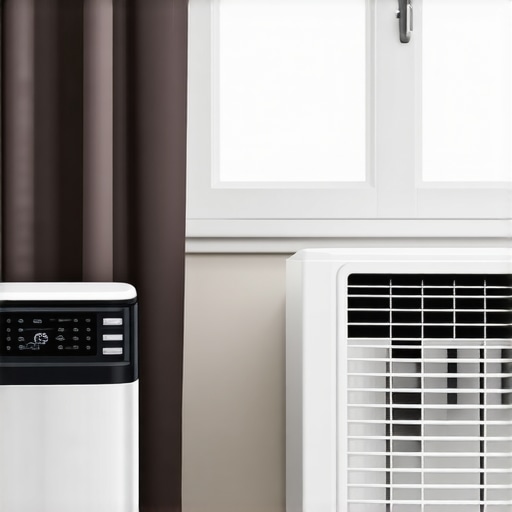
It was a scorching summer afternoon when I finally slammed the door shut, exhausted from battling an unrelenting heatwave that made my room feel more like a sauna than a sanctuary. My old air conditioner was sputtering, barely making a dent in the oppressive temperature. That lightbulb moment hit me hard: I needed a better cooling solution—fast. If you’ve ever been in that sweaty, frustrated spot, you know exactly what I mean. The good news is, I found a way out, and I’m here to share it with you.
Why Room Cooling Matters More Than Ever in 2024
As climate patterns shift, extreme heat is becoming the norm, not the exception. This isn’t just about comfort; it’s about health and productivity. According to the Environmental Protection Agency, high indoor temperatures can cause serious health issues, especially for vulnerable groups. So, investing in an efficient cooling system isn’t a luxury anymore—it’s a necessity. But with so many options out there, where do you start? That’s exactly what I will help you navigate today.
Have You Faced This Frustration with Your Current AC?
If your current setup has left you sweating or your electric bill skyrocketing, you’re not alone. I made a mistake early on by choosing an oversized window unit that cooled the room but drained my wallet and was a nightmare to install. Trust me, selecting the right type of AC—be it portable or window—is crucial. Want to avoid my pitfalls? Check out this expert guide on portable and window units for 2024.
Whether you’re looking for quick relief or a more permanent upgrade, the right AC can transform your space into a cool oasis. So, let’s dive into the essentials of choosing the best portable or window AC for your needs, ensuring you’ll stay comfortable even during the hottest days ahead.
Identify Your Cooling Needs
Start by assessing the size of your room and your cooling goals. Measure the square footage accurately—use a tape measure and multiply length by width—to determine the cooling capacity required. For instance, I once measured my small home office and realized my old AC was underpowered, leading to hot spots and frustration. Knowing your space helps you avoid overspending on oversized units or settling for underpowered ones.
Select the Right Type of Air Conditioner
Decide between portable and window units based on your lifestyle and room constraints. Portable ACs are ideal for flexibility; they can be moved around and require no permanent installation. Window units, on the other hand, are more energy-efficient for fixed locations. I personally chose a portable unit for my living room to avoid the hassle of window installation, referencing this comparison guide to ensure I made the right choice. To get a comprehensive understanding, explore this expert guide.
Measure Window and Space for Installation
For window units, precise measurements prevent installation issues. Remove any obstructions and verify that your window can support the weight and size of the unit. I once struggled with a window AC because I miscalculated the width, leading to a tight fit. Using a tape measure and confirming dimensions with the manufacturer’s specs saved me time. Check out this window AC installation tips for detailed guidance.
Optimize Placement for Maximum Efficiency
Position the AC unit where it can circulate air effectively. For portable units, place the exhaust hose properly, sealing leaks with foam or weatherstripping. I learned this the hard way when my portable AC’s cooling was uneven because I didn’t seal the exhaust properly, causing warm air to leak back into the room. Use this placement and sealing tips to improve efficiency and cooling performance.
Set Up Wi-Fi-Enabled Smart Features
If your AC has smart technology, connect it to your Wi-Fi network for remote control and scheduling. This automation saved me from manually turning on the AC every afternoon; I simply scheduled it to start cooling before I arrived home. For the latest smart features, see this smart AC overview. Proper setup ensures convenience and saves energy.
Adjust Settings for Optimal Comfort
Set the temperature between 72-75°F (22-24°C) for comfort without excessive energy use. Use the fan mode to circulate air without cooling if the temperature drops at night. I experimented with different settings and found that a 74°F setting kept my room comfortable without spiking my electricity bill. Reference this cooling guide for tailored recommendations.
Maintain Your Unit Regularly
Clean filters monthly to ensure efficient operation. Dust and debris can reduce airflow and cooling effectiveness. I once neglected filter cleaning, and my AC started making noise. After a quick wash, it operated smoothly. Follow manufacturer instructions and consider scheduling professional maintenance annually. For more maintenance tips, visit this maintenance guide.
Many people approach selecting a new air conditioner with a set of misconceptions that can lead to suboptimal cooling and wasted money. Let’s dig deeper into the nuances most overlook and clear up some common myths that persist in the world of room cooling. Having the right information can make the difference between a comfortable summer and ongoing frustration.
Is Bigger Always Better When Picking an AC?
A frequent mistake is choosing an oversized unit, assuming it will cool the room faster. In reality, this leads to inefficient operation, increased wear and tear, and higher energy bills. Oversized ACs tend to cycle on and off rapidly, which prevents the system from dehumidifying effectively, resulting in a clammy environment. Proper sizing based on room dimensions and insulation levels is crucial. For detailed guidance, check out this expert sizing guide.
Smart Features Are Just a Bonus, Not Necessary
Many think that smart technology is a luxury rather than a practical feature. However, integrating Wi-Fi-enabled smart ACs can significantly improve energy efficiency and convenience. For example, remote control and scheduling help prevent leaving the unit on when not needed, saving energy and reducing costs. This is especially relevant in 2024, where smart tech has evolved to offer nearly seamless control. Learn more about the latest smart AC innovations.
Common Mistake: Ignoring Ventilation and Placement
Another trap is neglecting proper placement and ventilation, which can drastically reduce cooling efficiency. Placing units where airflow is obstructed or where warm air infiltrates can cause the system to work harder, increasing energy consumption. Sealing leaks around windows and doors, and positioning units in optimal spots, make a world of difference. For expert tips on placement, explore this placement guide.
Are You Making These Advanced Mistakes?
Beyond the basics, some advanced errors can undermine your cooling setup. For instance, not considering the impact of humidity levels on comfort can make a room feel warmer even when temperature settings are correct. Dehumidifiers or units with dehumidification modes can help, especially in humid climates. Additionally, ignoring regular maintenance, like filter cleaning, can reduce efficiency by up to 15%, according to industry studies. For professional maintenance tips, visit this comprehensive maintenance guide.
Have you ever fallen into this trap? Let me know in the comments, and share your experiences so we can all stay cool smarter!
Keeping Your Cooling System in Top Shape Over Time
Maintaining your air conditioning units is crucial for long-term efficiency and reliability. I personally rely on a dedicated vacuum pump and a set of high-quality refrigerant gauges to perform basic checks and refills, ensuring my system runs smoothly year-round. Regularly inspecting and cleaning filters every month is a simple yet effective way to prevent dust buildup that can hamper performance. Additionally, scheduling professional maintenance at least once a year can catch potential issues early, saving you money and frustration in the long run. For detailed maintenance routines, I recommend checking out this comprehensive maintenance guide.
Tools I Recommend for Peak Performance
One indispensable tool in my arsenal is a digital infrared thermometer. It helps me quickly identify uneven cooling caused by blocked vents or dirty filters. I also swear by a smart leak detector that I use monthly to ensure refrigerant levels are optimal—leaks can silently degrade efficiency. For software, I use a dedicated app that syncs with my Wi-Fi-enabled smart AC, allowing remote diagnostics and scheduling which significantly reduces energy waste. As smart tech evolves, I predict a future where AI-driven diagnostics will automatically alert homeowners of issues before they escalate, making maintenance even more effortless.
How do I maintain my cooling system over time?
My secret is a combination of regular manual checks and leveraging smart technology. By routinely inspecting filters, seals, and vents, I keep my system running efficiently. Simultaneously, I rely on the latest smart AC features that notify me about potential problems or maintenance needs. This proactive approach minimizes downtime and extends the lifespan of my units. Don’t underestimate the power of a good diagnostic tool; investing in a quality refrigerant gauge set has paid off by preventing costly repairs. Try incorporating one of these tools today to see immediate improvements in your system’s performance.
The Hardest Lesson I Learned About Room Cooling
One of my biggest realizations was that bigger isn’t always better when selecting an air conditioner. Oversized units cycle on and off rapidly, which not only wastes energy but also prevents proper dehumidification, making rooms feel clammy and uncomfortable. Understanding the right size for your space saved me from costly energy bills and constant repairs.
3 Myths About Cooling Systems That Held Me Back
I used to think smart features were just a luxury. But integrating Wi-Fi-enabled smart ACs allowed me to schedule cooling times remotely, drastically reducing my electricity bill. I also believed that window units were the only efficient choice, but after exploring portable options, I found flexible, energy-efficient solutions that fit my lifestyle perfectly.
What Experts Won’t Tell You About Staying Cool
Proper placement and sealing around your AC unit can make a massive difference in efficiency. I learned that obstructed airflow or poorly sealed windows force the system to work harder, increasing costs and decreasing comfort. Regular maintenance, like filter cleaning, is often overlooked but essential for optimal performance. These insights from industry pros transformed my approach to room cooling.
My Essential Toolkit for Efficient Room Cooling
To keep my AC running smoothly, I rely on a digital infrared thermometer to troubleshoot uneven cooling areas. A smart leak detector helps me monitor refrigerant levels, preventing silent leaks that degrade efficiency. I also use a dedicated app that syncs with my Wi-Fi-enabled AC, allowing remote diagnostics and scheduling. For deep dives into smart tech, check out smart AC innovations.
Your Turn to Try
Embracing smarter cooling strategies can turn your hot, uncomfortable rooms into refreshing retreats. With the right size, placement, and smart features, you’re equipped to beat the heat efficiently in 2024. Don’t wait until the next heatwave—start optimizing your room cooling today!
Have you ever struggled with choosing the right AC size or setup? Let me know below.