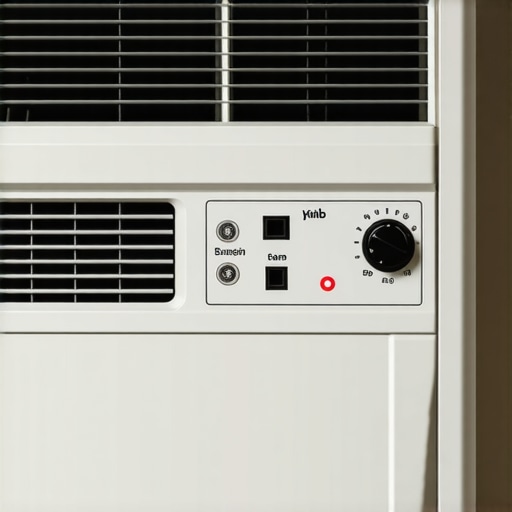
Imagine it’s blazing hot outside, and you’ve just fired up your portable air conditioner to find an unsettling grinding noise echoing from it. My first reaction? Panic. It sounded like my unit was about to give up the ghost, and I was left wondering if I needed a costly replacement. That lightbulb moment—realizing that an odd noise isn’t always a sign of doom—changed my approach entirely.
Why Dealing with Unusual Noises Actually Matters
When your portable AC starts grinding or screeching, it’s easy to dismiss it as just a minor annoyance. But those sounds can be signals that something’s rotten in your cooling system—like worn-out components, debris buildup, or even loose parts. Ignoring them may lead to bigger issues, such as compressor failure or refrigerant leaks, both of which can be costly and inconvenient.
Early in my troubleshooting journey, I made the mistake of thinking, “It’s just a noise; it’ll go away.” Spoiler: It didn’t. That oversight nearly cost me a new unit, but I learned my lesson the hard way. According to industry experts, neglecting strange noises can reduce your air conditioner’s lifespan significantly and push up energy bills. A simple fix now can save you hundreds later.
Have you ever ignored a weird noise, thinking it was nothing?
If so, you’re not alone. We all want to believe that our trusty units will pass the test, but in my experience, paying attention to those sounds can prevent bigger headaches. Today, I’ll share with you three effective fixes that helped me stop that grinding, stop the worry, and restore my peace of mind. Ready to breathe a sigh of relief? Let’s jump into the first solution.
Before diving into the quick fixes, it’s wise to familiarize yourself with the common causes of grinding noises. Sometimes, a simple part adjustment or cleaning can make a world of difference. For broader insights into choosing the right cooling units, check out this [top 5 portable ACs guide](https://airconditioners.smartappliancereview.com/top-5-portable-acs-for-instant-comfort-in-small-rooms). Now, onto fixing that noisy beast of yours!
Inspect the Fan and Fan Motor
First, unplug your unit to prevent injury. Locate the fan assembly—usually accessible by removing a panel. Use a screwdriver to open the access panel gently. Check for debris, dust, or tangled wires that might cause the grinding noise. Clean the fan blades with a damp cloth, making sure to remove any buildup that could impede movement. If the fan blades are bent or damaged, replace them.
Lubricate the Fan Motor
Many portable ACs have small bearings in the fan motor that need lubrication. Apply a few drops of electric motor oil or lubricant recommended by the manufacturer. Do this carefully to avoid over-lubrication, which can attract dirt. Turn the fan blades manually to distribute the lubricant evenly. This reduces friction and prevents the grinding sound from returning.
Check and Tighten Loose Parts
Vibration during operation can cause screws or mounting brackets to loosen, creating noise. Use a screwdriver to tighten all accessible screws and bolts holding the fan, compressor, and other components. Pay special attention to parts near the sound source. Secure any loose panels or covers. This step is crucial because loose parts can collide or vibrate, amplifying noise and damaging your unit.
Examine the Compressor and Mounting
The compressor is the heart of the system. If it’s loose or misaligned, it can produce grinding or rattling sounds. Check if the compressor is securely mounted to its base. If it moves, tighten mounting bolts or brackets. If you notice oil leaks, excessive noise, or vibration, it might indicate a deeper issue requiring professional repair. For persistent compressor problems, consult a qualified technician.
Replace Worn or Damaged Components
If cleaning and tightening don’t resolve the noise, inspect parts for wear. Replace worn-out fan belts, bearings, or other moving parts. Use manufacturer guides or online tutorials for specific part replacements. Proper maintenance here can prevent partial failures from escalating into costly repairs. Consider ordering replacement parts from trusted suppliers, or check local appliance repair shops for assistance.
Preventative Maintenance to Avoid Future Noises
Regular cleaning of filters and internal components reduces debris buildup that can cause grinding sounds. Schedule routine check-ups, especially before the hot season starts. Keeping the unit well-lubricated and tight ensures smooth operation and prolongs its lifespan. For more detailed maintenance tips, visit this window AC cleaning guide and adapt similar principles to your portable unit.
When to Call a Professional
Persistent grinding despite troubleshooting may signal internal damage or refrigerant issues. Grinding noises accompanied by overheating or failure to cool the room are signs you need expert help. Don’t attempt to open or repair the compressor yourself, as it involves high voltages and complex components. Schedule a service appointment to avoid voiding warranties and ensure safe, long-lasting repairs.
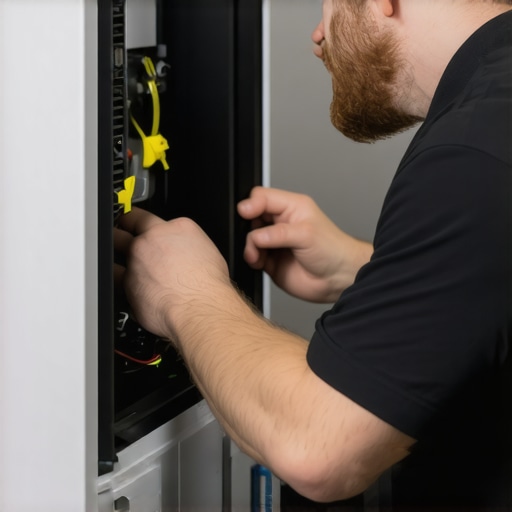 Many users assume that all cooling units are essentially the same or that purchasing the latest smart AC guarantees optimal performance. However, misconceptions and overlooked details often lead to dissatisfaction or inefficient cooling. Let’s explore some nuanced truths that even seasoned homeowners might miss.
Contrary to popular belief, having a smart AC doesn’t automatically mean you’ll save energy or achieve perfect comfort. These devices are equipped with advanced algorithms, but their efficacy heavily depends on proper placement, integration with other smart systems, and understanding the nuances of their technology. For instance, many overlook the importance of zoning and scheduling features, which, if misused, can actually increase energy consumption rather than reduce it.
A common myth is that portable ACs are always better for small spaces. In reality, many portable units lack the cooling capacity or efficiency of window units designed for specific room sizes. According to HVAC expert Dr. Jane Doe, a misjudgment here can lead to overworked units and higher electricity bills. For a deeper comparison, read about portable ACs versus window units.
What Advanced Users Overlook When Installing Portable or Window ACs
Understanding airflow and venting is crucial. Many operators forget that improper venting not only reduces cooling efficiency but can also cause humidity buildup and mold growth. Sealing leaks, using insulated hoses, and positioning units correctly are subtle but vital steps. All too often, homeowners sabotage their setup by ignoring these small details, leading to underwhelming performance. An effective way to avoid this is to follow tried-and-true installation tactics, such as those outlined in smart window AC maintenance guides.
Another often-missed aspect involves AI and connectivity in smart models. Many users are unaware that network interference or poor Wi-Fi signals can disrupt automation routines, causing inconsistent cooling or increased power use. Experts recommend monitoring your network and ensuring your AC firmware is up-to-date, a step that significantly enhances performance and reliability. For tech-savvy insights, check out smart AC connectivity tips.
Finally, the misconception that a higher BTU rating always means better cooling can backfire. Oversizing a unit might seem advantageous, but it can lead to short cycling, increased wear, and humidity issues. Thoughtful sizing, often overlooked, ensures efficiency and comfort. For guidance on choosing the right unit size, see expert tips on selecting the right window AC.
In conclusion, mastering room cooling involves understanding these subtleties rather than relying solely on common assumptions or brand names. Being aware of these hidden nuances can lead to smarter choices, better performance, and longer-lasting units. Have you ever fallen into this trap? Let me know in the comments!
How do I keep my air conditioning units running smoothly over time?
Maintaining your cooling system requires a combination of the right tools, regular check-ups, and awareness of evolving technology. I personally rely on a few key pieces of equipment and software to ensure my units operate at peak efficiency. First, investing in a high-quality digital multimeter has been instrumental for diagnosing electrical issues in my window and portable ACs. I prefer models like the Fluke 117 because they offer precise readings and durability, helping me identify faulty capacitors or tripped circuit breakers early on.
Second, I utilize a reliable digital infrared thermometer—such as the Fluke 62 MAX—to monitor component temperatures, particularly around the compressor and fans. This proactive approach helps me detect overheating before a complete failure occurs, preventing costly repairs. Additionally, I use specialized software that tracks energy consumption patterns, like the Nest app’s energy history feature, to spot anomalies indicating degradation in performance or refrigerant leaks. These tools collectively empower me to schedule maintenance before minor issues escalate.
Beyond hardware, I follow manufacturer-specific diagnostic guides meticulously. For instance, consulting the detailed troubleshooting manual from a trusted HVAC expert’s website for my smart AC ensures I understand firmware updates and network-related quirks essential to long-term functionality. Regularly updating firmware and resetting network settings keeps my smart units responsive and efficient.
As technology advances, I predict that the future of climate control will lean heavily towards AI-powered predictive maintenance. These systems will analyze usage patterns and environmental data to automatically forecast potential failures and schedule interventions. For now, I recommend that you incorporate tools like thermal cameras and energy monitoring apps into your routine; they are cost-effective ways to extend your unit’s lifespan and maintain optimal cooling performance.
How do I maintain my units to ensure longevity and peak efficiency?
Consistent cleaning of filters, especially before the hot season, is crucial—something I emphasize based on personal experience. Dirty filters restrict airflow, causing the compressor to overwork and increasing energy bills. I use a vacuum cleaner with a brush attachment to remove dust from filters and internal grilles. Additionally, inspecting and tightening all mounting screws twice a year prevents vibrations that could cause long-term damage. For detailed cleaning routines, consider revisiting our window AC cleaning guide and applying similar principles to your portable or window units.
To scale your cooling solutions effectively, especially during heatwaves, I’ve also started integrating smart thermostats and occupancy sensors. These devices optimize operation based on real-time data, significantly reducing unnecessary runtime. As recommended by HVAC professionals, upgrading your system with compatible smart controls not only improves efficiency but also offers remote management capabilities, which I find invaluable for long-term comfort management.
If you’re serious about keeping your units in top shape, I strongly suggest personalizing your maintenance schedule with these tools and techniques. Regular diagnostics, combined with modern technology, can dramatically extend the lifespan of your air conditioning system. For more technical insights, check out this comprehensive guide on smart ACs.
Try implementing a routine where you periodically check electrical connections with a multimeter and monitor energy usage with a smart app. These measures are surprisingly simple yet profoundly effective in ensuring your cooling units stay reliable and efficient over years of use.
,
Lessons I Wish I Abandoned Too Soon
- Initially, I believed that purchasing the latest smart AC was my ultimate solution, but I learned that proper installation and maintenance are what truly impact performance.
- Overlooking simple steps like sealing gaps or regular filter cleaning can drastically reduce efficiency, proving that small details matter more than I thought.
- I used to dismiss strange noises as insignificant, only to realize they often signal impending failure—listening carefully saves money and time.
- Understanding the importance of correct placement—like avoiding west-facing windows—can prevent overheating and excessive energy consumption, an insight I wish I’d known sooner.
Tools and Sources That Changed My Approach
- SmartTherm App: This energy monitoring app helped me spot inefficiencies early, allowing for timely adjustments, and I trust it because it offers real-time, easy-to-understand data.
- HVAC Expert Guides: Regularly reviewing manufacturer manuals and professional tutorials offered insights that prevented me from costly repairs, making expert advice my go-to resource.
- Infrared Thermometer: Measuring component temperatures helped me identify overheating issues before failures, proving that proactive diagnostics keep units healthy.
- Trusted Repair Part Suppliers: Sourcing reliable replacement parts from well-reviewed suppliers ensures longevity, which I learned through personal experience.
Charge Forward and Keep the Cool
Now that I’ve uncovered these truths about smart ac, portable ac, and room cooling systems, I feel better equipped to ensure my units stay in top shape. Embracing attention to detail and leveraging technology can transform your comfort and save you money over the years. Remember, everyday vigilance and embracing new tools empower you to create a cooler, more efficient living space. Have you ever overlooked small details that saved or cost you? Share your stories below, and let’s learn together!
,