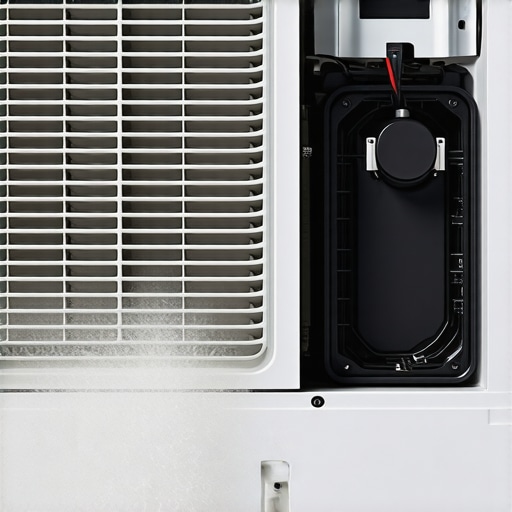
I remember the first time my window air conditioner decided to turn my cozy living room into a dusty battleground. One sweltering summer day, I walked into the room and was hit with a wave of dust and debris swirling from the vents. It was a lightbulb moment—my trusted cooling companion was doing more harm than good. Frustrating, right? Especially when all you want is fresh, cool air without the allergy-inducing mess.
Imagine the Frustration of Dusty Cool Air
Have you ever experienced your window AC blowing out more dust than relief? It’s a common issue that’s often overlooked. Dust buildup isn’t just about cleanliness; it actually reduces your unit’s efficiency and can even affect your health. The air you breathe should be clean, especially during those hot days when your AC is working overtime. But how do we tackle this sneaky problem quickly and effectively? That’s what I’ll cover today, based on my own messy missteps and proven solutions.
Does Your Window AC Actually Need an Overhaul or Is It Just the Filter?
Early on, I made the mistake of thinking I needed a new unit when the dust problem started. Turns out, a simple filter fix solved most of my issues. If your AC is blowing dust, chances are it’s time to look into the filters and internal cleaning. According to the Environmental Protection Agency, regular filter maintenance can dramatically improve air quality and cooling efficiency. That’s a game-changer. Ready to restore your comfort? Keep reading, because I’ll show you how to do this in four lightning-fast steps, so your summer stays cool and dust-free.
Shut Down and Prepare
Before diving into cleaning, turn off your window AC and unplug it to ensure safety. Remove the front grille and filters carefully—think of it like opening the hood of a car to check the engine; ease and caution are key. I once rushed this step and ended up dropping a filter, causing a bit of a mess, but it taught me to handle parts gently and methodically.
Clean or Replace the Filter
The filter is the first line of defense against dust and debris. If it’s washable, rinse it under running water with a mild detergent and let it dry completely before reinstalling. If it’s a disposable filter and visibly dirty or clogged, replace it altogether. Regularly swapping filters, as recommended by [window AC experts](https://airconditioners.smartappliancereview.com/choosing-the-best-window-ac-expert-tips-for-2025), keeps airflow steady and health risks low.
Vacuum the Evaporator and Coils
Use a soft brush attachment on a vacuum cleaner to gently remove dust from the evaporator fins and coils. Imagine cleaning a radiator—gentle strokes prevent bent fins, which can hinder heat exchange. After cleaning, you might notice improved airflow and cooling efficiency. For stubborn grime, a coil cleaner spray can be used, following the product instructions carefully.
Clear the Drainage System
Water leaking or pooling near your unit indicates a clogged drain. Locate the drain hole, typically at the bottom of the unit, and use a pipe cleaner or a long, flexible brush to clear any obstructions. During my last clean, a blocked drain caused water to leak inside, risking damage. Clearing this blockage prevented future leaks and mold growth.
Disinfect the Internal Components
Spray a mixture of water and white vinegar onto accessible internal parts to kill bacteria and mold spores. This step enhances air quality and prevents musty odors. Remember, avoid spraying directly into electrical components. Regular disinfection, as suggested in [premium maintenance tips](https://airconditioners.smartappliancereview.com/7-window-ac-cleaning-hacks-for-better-2026-performance), extends your unit’s lifespan.
Reassemble and Test
Once everything is dry and reassembled, plug your air conditioner back in and turn it on. Observe if air is flowing smoothly and if odd noises persist. I once found a loose screws after cleaning, which caused rattling; tightening it restored quiet operation. Regular maintenance ensures your unit runs efficiently and produces cleaner air.
Many believe that simply increasing the cooling capacity or choosing a more powerful air conditioner guarantees the best comfort, but this is a misconception that can lead to inefficiency and higher energy bills. In reality, room size, insulation, and airflow dynamics are much more nuanced. For instance, selecting an oversized unit might cool the room quickly but often results in short cycling, which causes excessive wear and inefficient power consumption. Conversely, undersized units struggle during peak heat, leading to overworking and inconsistent temperatures.
Another common myth is that all AC units are equally effective regardless of their type. However, the difference between portable ACs, window units, and smart ACs lies in their design and how they manage humidity and airflow. For example, portable ACs are often chosen for their mobility but may not deliver the same efficiency as a well-installed window or split system, especially in larger spaces.
Many think that installing a smart AC automatically makes cooling more efficient—yet, without proper settings, automation, and placement, smart features can backfire. This is where advanced understanding becomes crucial. Optimizing smart ACs involves not just enabling remote control but also fine-tuning sensors, schedules, and geofencing to prevent unnecessary operation that wastes energy. Studies show that proper usage of smart features can cut energy consumption by up to 30%, highlighting the importance of nuanced operation. For more insights, explore how smart AC technology is evolving.
Furthermore, many overlook the impact of airflow management. Proper placement and use of fans can enhance cooling efficiency significantly. For example, strategic fan placement can facilitate better air circulation, reducing the workload on the AC unit itself. Ignoring this can result in uneven cooling and increased energy use.
Another subtle aspect involves the maintenance routines. Regularly cleaning filters, coils, and vents isn’t just about cleanliness but directly affects the unit’s ability to cool efficiently. When neglected, dust and debris act as insulative barriers, causing units to work harder and consume more power—a mistake many make even after years of use.
Don’t fall into the trap of thinking that a higher BTU rating is the main factor; rather, focus on proper sizing, placement, and maintenance. Knowing these nuances helps prevent common pitfalls, saving money and ensuring optimal comfort. I encourage you to evaluate your current setup critically—are you considering these vital details?
Have you ever fallen into this trap? Let me know in the comments.
How do I keep my cooling system humming smoothly over time?
Maintaining your air conditioning units, especially smart, window, or portable models, requires specific tools and routine practices. For instance, I personally swear by a high-quality microfiber cloth and a soft-bristle brush to regularly clean filter vents and accessible coils. These tools help prevent dust accumulation that diminishes efficiency and can lead to costly repairs down the line.
My go-to maintenance kit includes a digital infrared thermometer, which I use monthly to monitor temperature fluctuations and identify potential issues early. By checking temperature differences across the coil and vents, I can pinpoint when to perform deeper cleanings or adjustments, avoiding unexpected breakdowns during peak season.
For comprehensive cleaning, I recommend using a coil cleaner spray designed for HVAC systems. Applying this spray every season keeps coils in top shape, ensuring optimal heat exchange. Additionally, a flexible, long-reaching pipe cleaning brush is invaluable for clearing out clogged drain tubes—an often overlooked yet critical step to prevent water leaks and mold growth.
Smart technology also offers in-built maintenance features that automate part of this process. Apps connected to smart ACs can send alerts for filter replacement, coil cleaning, or system malfunctions, saving you time and money. As these devices evolve, predictive diagnostics—like those discussed in this article on smart AC innovation—will become standard, helping preempt issues before they impact performance.
For long-term results, I strongly advocate scheduling professional check-ups annually. HVAC technicians use specialized equipment, such as ultrasonic leak detectors, to locate refrigerant leaks or inefficiencies that are invisible to the untrained eye. Regular professional maintenance coupled with your DIY efforts extends your system’s lifespan and keeps energy bills manageable.
Scaling your cooling setup intelligently can also enhance performance. When your space grows or your needs change, consider upgrading to a multi-zone smart system. Modern solutions allow you to control different rooms independently, optimizing energy use and comfort—plus, integration with voice assistants makes adjustments easier than ever. Looking ahead, automation and remote diagnostics will likely dominate the future of room cooling, making maintenance even more seamless.
If you haven’t already, try calibrating your smart AC’s sensors to prevent overcooling and save energy. A simple yet often overlooked step that can significantly reduce your bills and environmental footprint. Don’t wait—embrace this advanced tip today and enjoy a cooler, more efficient home environment.
Lessons the Coolest Pros Learn Too Late
One of the most eye-opening lessons I faced was realizing that proper airflow management is just as crucial as choosing the right AC unit. I once believed buying a high-end smart AC would solve all my problems—only to discover that placement and maintenance matter more. Another deep insight was that regular DIY upkeep, like coil cleaning and filter swaps, significantly extends system lifespan and saves money. Finally, I learned that embracing innovative tools and smart technology, like predictive diagnostics, turns a routine task into a proactive defense against costly failures. These lightbulb moments transformed my approach from reactive to strategic, ensuring my cool comfort lasts season after season.
My Must-Have Tools and Trusted Tips
Over the years, I’ve curated a toolkit that keeps my cooling system in top shape. A high-quality microfiber cloth and a soft-bristle brush are perfect for quick, gentle cleaning of filters and vents, preventing dust build-up. A digital infrared thermometer aids in monitoring temperature fluctuations, helping me catch issues early. I also rely on a coil cleaner spray, recommended by HVAC experts, to maintain optimal heat exchange. For drainage issues, a long, flexible pipe cleaner is invaluable for clearing blocked tubes and preventing leaks. And for more advanced insights, I turn to resources like top portable AC reviews and smart AC evolution guides. These sources keep me informed and confident in my maintenance routines.
Take Charge of Your Cooling Future Today
Remember, your room cooling system is an investment in your home comfort and health. By applying these insights and tools, you’ll not only improve efficiency but also enjoy peace of mind throughout those scorching days. Don’t wait for small issues to turn into costly repairs—take action now. Whether you’re upgrading your setup or simply fine-tuning your existing system, a proactive approach ensures you stay cool, save money, and breathe cleaner air. Your journey to smarter, more effective cooling starts here—embrace it and enjoy the refreshing comfort you deserve.
What’s your biggest challenge when maintaining your AC system? Share your experiences below, and let’s learn from each other’s cooling adventures!