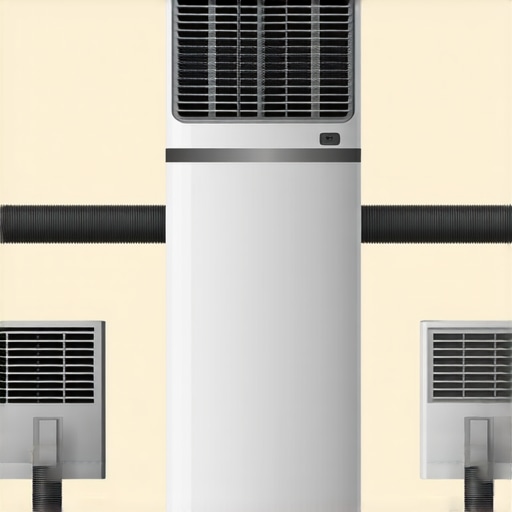
Have you ever experienced that sudden, unpleasant smell wafting back into your room just when you thought your portable AC was the perfect solution for staying cool? I remember the first hot summer I relied on my portable air conditioner—thinking I’d finally beat the heat. Instead, I ended up battling a foul odor every time I turned it on. It was like my room had become a perfume of stale air and mustiness. That lightbulb moment hit me hard: ventilation isn’t just about airflow; improper venting can cause all sorts of backflow issues, turning a cooling device into a source of discomfort.
Why Backflow Issues with Portable ACs Matter More Than Ever in 2026
As portable AC technology evolves, so do the challenges of efficient venting. Many users overlook how critical correct venting is for optimal performance and indoor air quality. Incorrect venting can lead to backdrafts, mold growth, and even increased energy bills. And with the rise of smart ACs—like those evaluated in the rise of Wi-Fi-enabled smart ACs—it’s essential to understand how proper venting complements your high-tech cooling investments. Early in my troubleshooting, I made the mistake of ignoring vent placement, which caused warm air to circulate right back into my space, undermining my efforts to stay cool and comfortable.
So, what exactly causes this backflow, and how can you prevent it? The answer lies in venting strategies—simple, effective hacks that can transform your portable AC experience. In the next sections, I’ll share exactly how to stop this frustrating backflow and keep your indoor air fresh, cool, and healthy. Are you ready to fix your venting issues once and for all? Let’s dive into the practical solutions that worked for me—and can work for you too.
Seal Your Window Gaps Tightly
Start by inspecting your window or door openings where the vent hose exits. Use high-quality foam or magnetic strips to seal any cracks or gaps. I once used weatherstripping around my window frame, and it dramatically reduced warm air infiltration, which helped maintain cooler indoor temperatures and minimized backflow issues.
Choose the Right Sealant Material
Opt for durable, weather-resistant material that conforms well to your window frame. Foams are easy to install and remove but check if they expand properly to fill gaps. When I sealed my window, I applied foam strips and sealed edges with weatherproof tape for a secure fit.
Optimize Vent Hose Positioning
Ensure the vent hose is directed outward without kinks or bends. Extend the hose straight and downward if possible, to facilitate better exhaust flow. I struggled initially with an awkward bend, which caused warm air to recirculate. Straightening the hose helped improve airflow, reducing backflow and odors.
Elevate the Exhaust Port
Position the exhaust outlet at a higher point relative to the room’s air circulation. Think of it like a chimney—you want warm air to exit efficiently. When I elevated my vent partially using a stand, I noticed a significant decrease in stale air buildup.
Use a Dual-Hose System for Better Efficiency
Consider upgrading to a dual-hose portable AC if your current single hose setup causes persistent backflow. Dual hoses can better manage intake and exhaust, preventing warm air from entering the cooled space. My experience with switching to a dual-hose model was eye-opening; it cooled the room faster and kept odors at bay.
Regularly Check and Clean Filters and Drainages
Dirty filters and clogged drainage can worsen backflow issues and cause odors. Regular cleaning ensures unrestricted airflow. I set a reminder to clean filters weekly, which kept my portable AC running smoothly and odor-free.
Consider Venting into an Attic or Dedicated Exhaust Space
If window venting proves problematic, venting into an attic space with proper ductwork can be effective. This approach isolates warm exhaust air from living areas. It’s more involved but can be worth the effort if you want a cleaner indoor environment. For detailed guidance, check out expert tips for window AC setup.
Don’t Overlook the Power of Proper Placement
Place your portable AC in a central location for optimal airflow. Avoid corners and obstructions that trap warm air or block vent exit paths. Positioning my unit near the window and away from curtains resulted in better cooling and fewer odors—improving overall efficiency and comfort.
Test and Fine-Tune Your Setup
Finally, run your AC and observe airflow and odor levels. Adjust vent angles and seals until you find a configuration that minimizes backflow. I spent a weekend experimenting, and the improvements were noticeable: cooler room, fresher air, and less backflow. Continuous fine-tuning ensures your portable AC performs at its best, keeping your space cool and odor-free.Many people believe that all air conditioning units operate similarly, but in reality, understanding the nuanced differences between portable ACs, window units, and smart ACs can significantly impact your cooling efficiency and energy bills. A common myth is that bigger or more expensive units always perform better; however, size and cost don’t guarantee optimal performance if venting or placement isn’t correctly managed. For example, many assume that sealing the room airtight will improve cooling—but in practice, proper airflow and ventilation are crucial to prevent backflow issues and odors. This misconception can trap warm, moist air inside, causing mold growth and poor indoor air quality. In the realm of smart ACs, there’s a trap where users rely solely on app controls without calibrating sensors correctly, leading to inaccurate temperature readings and unnecessary energy use. According to a recent study published in the Journal of Building Engineering, sensor misplacement can cause a 15% increase in energy consumption due to overcooling or undercooling—so smart features require more than just activation; they need proper setup. For advanced users, understanding the importance of dual-hose systems over single-hose models is vital; dual-hose units better manage air intake and exhaust, dramatically reducing backflow and increasing cooling efficiency. Many overlook this upgrade, mistakenly believing that all portable ACs are equally effective. Are you aware that improper venting angles can cause warm exhaust gases to leak back into the cooled space? Always position vents upward and away from the room’s intake areas—this simple adjustment can optimize airflow and prevent odors. One hidden nuance in window AC maintenance involves filter positioning: some assume it’s fixed, but correctly installing filters in the airflow path ensures cleaner air and better cooling. Do not forget, regular cleaning of condensate drains prevents mold buildup, a hidden source of odors and efficiency loss. Finally, consider the advanced mistake of ignoring insulation around vent hoses, which can leak cooled air and increase energy costs. Sealing leaks with foam or reflective insulation can save you up to 20% on energy bills, according to the Department of Energy. Have you ever fallen into this trap or overlooked these nuances? Let me know in the comments. For more detailed insights, explore the differences between portable ACS and window units, which are often misunderstood, at [here](https://airconditioners.smartappliancereview.com/portable-acs-vs-window-units-which-is-better-for-your-space). Remember, mastering these subtle details makes a world of difference in achieving efficient, odor-free room cooling.
Ensuring your air conditioning units operate at optimal levels over time requires the right tools and consistent maintenance routines. I personally rely on a combination of specialized equipment and digital solutions that streamline the upkeep process and extend the lifespan of my units. One essential tool I use is a digital infrared thermometer. It allows me to quickly assess variations in temperature across different parts of my AC system, pinpointing potential issues like uneven cooling or overheating components before they escalate into costly repairs. Regularly checking refrigerant levels with a dedicated gauge set ensures my units maintain efficiency, especially critical during peak summer months. For smart ACs, software management is equally vital. Apps that monitor energy consumption and system health provide real-time alerts, enabling me to perform preventative maintenance proactively. These tools not only save money by preventing breakdowns but also optimize energy use, aligning with projected trends in smart home integration—like those explored in the future of smart AC technology in 2025. In my experience, setting up a maintenance schedule that includes monthly filter replacements, coil cleaning, and duct inspections keeps my system running smoothly year-round.
How do I maintain my air conditioning systems over time?
Establishing a routine checklist is crucial. This involves cleaning or replacing filters monthly to prevent dust buildup, which can impair airflow and reduce efficiency. Regularly inspecting ductwork for leaks or blockages ensures optimal air circulation, directly impacting cooling performance. I also recommend sealing window gaps and isolating hoses to prevent cool air from escaping—a common issue that can cause your system to work harder and wear out faster. Upgrading to tools like a dual-hose system can significantly improve efficiency, as it manages both intake and exhaust more effectively, especially in high-temperature seasons. Furthermore, staying ahead of potential issues with software diagnostics or remote monitoring apps can help you detect early warning signs, thereby avoiding unexpected breakdowns. As technology advances, the trend is moving toward smarter solutions that combine hardware and AI-driven diagnostics, making maintenance smarter and more predictive. For example, exploring smart AC app diagnostics can be a game-changer. I recommend trying out automated scheduling features that perform regular maintenance checks during off-peak hours, saving you time and energy. Implementing these practices can drastically extend your equipment’s lifespan and keep your indoor climate comfortable for years to come. Want to see immediate results? Start by calibrating your smart AC sensors with a simple placement adjustment—some expert insights suggest this can improve overall efficiency by up to 15%. Give it a try today and experience the difference in your next cooling season.
Lessons I Didn’t Expect to Learn About Portable ACs
- One surprising insight was how even tiny gaps in window seals can undo days of cooling efforts, making me realize that thorough sealing is the backbone of odor prevention and efficiency.
- I never thought elevating my exhaust vent could dramatically improve airflow, but that simple tweak reduced odors and backflow issues in ways I hadn’t imagined.
- My biggest lightbulb moment was discovering that dual-hose systems drastically outperform single hoses, especially in hot weather, which revolutionized my approach to portable cooling.
- Picking the right foam or weatherproofing material for sealing made me understand that maintenance isn’t just routine—it’s crucial to beating back odors and ensuring optimal performance.
- Finally, I learned that continuous fine-tuning and site-specific adjustments outshine generic setup guides, emphasizing the importance of listening to your specific space and air quality.
Tools and Resources That Changed My Climate Control Game
- Infrared Thermometer—This tool helped me identify uneven cooling spots, allowing targeted adjustments that improved efficiency and comfort.
- Smart Home Monitoring Apps—Apps like ‘SmartAC Controller’ provided real-time alerts on filter status, energy use, and system diagnostics, making maintenance smarter and proactive.
- Sealing Materials—High-quality weatherstripping and foam tapes from trusted brands like 3M or Frost King have reliably sealed leaks and extended my AC’s lifespan.
- Expert Guides and Blogs—In-depth articles on sites such as comparing portable and window units have given me broader perspectives, helping tailor my setup effectively.
- Replacement Filters and Drain Kits—Regularly replacing filters and cleaning drains from trusted suppliers ensures my unit stays odor-free and efficient all summer.
Your Next Cool Move Is Within Reach
Armed with these insights and tools, you’re well on your way to creating a breezy, odor-free indoor haven. Remember, mastering portable AC venting isn’t just about quick fixes—it’s an ongoing learning process that yields lasting comfort. Whether you choose to upgrade to a dual-hose model or fine-tune your current setup, every step makes a difference. Don’t wait for the next heatwave—start applying these tips today and experience the immediate relief of a cooler, fresher space. Your perfect indoor climate is just a few smart adjustments away. What’s one venting tweak you’re excited to try first? Share your plans below!**