![5 Easy Fixes for a Smelly Window Air Conditioner [2026 Guide]](https://airconditioners.smartappliancereview.com/wp-content/uploads/2026/01/5-Easy-Fixes-for-a-Smelly-Window-Air-Conditioner-2026-Guide.jpeg)
Ever had that moment when you turn on your window air conditioner after a long day, only to be greeted by an overwhelming, almost embarrassing smell? I remember the first time this happened to me — I was ready to enjoy a cool evening, but the foul odor turned the whole experience into a joke. It’s unsettling and honestly, a little embarrassing when guests visit and comment on an odd scent wafting from the AC unit.
That lightbulb moment made me realize: a smelly AC isn’t just a minor nuisance; it’s a sign that something needs attention. Over time, I learned that this problem isn’t rare, and the good news is, it’s fixable with some simple steps. Today, I’m excited to share what I’ve discovered about keeping your window AC smelling fresh—no complicated repairs needed.
Why a Stinky Air Conditioner Can Fuel Bigger Problems
First off, bad odors aren’t just unpleasant—they can be a sign of mold, bacteria, or accumulated dirt inside your unit. According to the Environmental Protection Agency, mold exposure can cause respiratory issues and other health problems, especially in sensitive individuals. So, what smells are we talking about? Usually, it’s a damp, musty scent that lingers even after turning the AC off. That’s often due to trapped moisture encouraging microbial growth or accumulated debris that’s rotting over time.
Early on, I made the mistake of ignoring this smell, thinking it was just a harmless inconvenience. But neglect can lead to more serious issues, like clogged filters, reduced cooling efficiency, or even damage to the compressor. Trust me, addressing smells early is the best way to extend the life of your unit and ensure your home remains a clean, comfortable oasis.
So, how do we banish these odors effectively? I’ve tried several methods, and some are downright game-changing. Keep reading, and I’ll walk you through five easy fixes that worked wonders for my portable and window units alike. And if you’re curious about other cooling options, I also explore how [smart AC technology](https://airconditioners.smartappliancereview.com/smart-ac-technology-in-2025-how-it-transforms-room-cooling) is revolutionizing home comfort in 2026.
Is a Smelly AC Worth the Hype of Expensive Repairs?
Honestly, I was skeptical at first — I thought the smell was just a sign of needing a filter change. But I learned that many fixes are simple, affordable, and DIY-friendly. Early on, I assumed any solution would cost a lot or require professional help. That was a mistake. With basic cleaning and some strategic maintenance, I was able to eliminate the odor without breaking the bank. Curious about more efficient cooling options? Check out [these top portable ACs](https://airconditioners.smartappliancereview.com/top-5-portable-acs-for-instant-comfort-in-small-rooms) for small spaces to keep your summer cool and smell-free.
Start with a Deep Clean of Your Unit
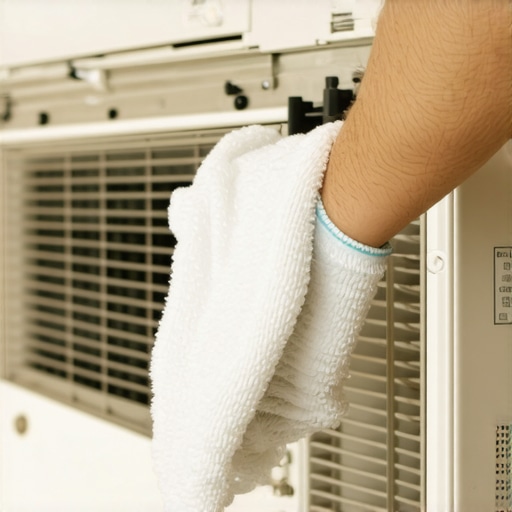
Pull out your window or portable air conditioner and give it a thorough cleaning. Remove the front grille and filter, then soak the filter in warm, soapy water for 10-15 minutes. Use a soft brush to scrub away dust and debris, which can harbor mold and bacteria causing odors. Rinse thoroughly and let it dry completely before reinstalling. During my first attempt, I made the mistake of rushing this step, which resulted in lingering smells—so take your time for best results.
Clean the Evaporator and Drain Pan
Next, focus on the evaporator coils and drain pan where moisture accumulates. Use a mixture of equal parts white vinegar and water to spray onto these parts—vinegar kills microbial growth that causes musty odors. Let it sit for 5-10 minutes before wiping with a microfiber cloth. For stubborn grime, a soft brush can help. I once skipped this step, and the smell persisted for weeks—a reminder that neglecting these components invites microbial problems.
Replace or Clean the Air Filter Regularly
Air filters trap dust, pollen, and pollutants, but they also collect moisture and organic matter if left unchecked. Replacing the filter every 1-3 months—depending on usage—and clean reusable filters thoroughly prevents buildup. I keep a schedule, and noticed a significant drop in odors, along with improved cooling efficiency. Think of it as changing the air filters on your car—routine maintenance keeps everything running smoothly.
Use a Baking Soda Deodorizer Inside the Unit
Sprinkle a small amount of baking soda onto the filter or a clean cloth placed inside the unit. Baking soda neutralizes odors without chemicals. Let it sit for a few hours or overnight before running the AC again. This simple trick, which I tried after reading online, freshened the air instantly and is an inexpensive solution for ongoing odor control.
Incorporate Ozone or Air Purifiers if Needed
If your unit continues to emit odors, consider using an ozone generator designed for air purification. Attach it near your AC outlet—just be cautious, as ozone machines should be used with care. Alternatively, placing a small portable air purifier with a HEPA filter in the room can trap microbial particles. These tech solutions are discussed in [smart AC technology](https://airconditioners.smartappliancereview.com/smart-ac-technology-in-2025-how-it-transforms-room-cooling), highlighting how smart features enhance air quality. I invested in a portable purifier, and within days, the smell diminished dramatically.
Keep Surrounding Areas Clean and Dry
Ensure the area around your AC is free of dust and moisture to prevent mold spores from entering the unit. Regularly wipe down nearby windowsills and vents with a damp cloth. This preventive step minimizes future odor issues and prolongs your unit’s lifespan. I found that a clean environment combined with routine maintenance kept my AC smelling fresh for months.
By following these concrete steps, you can transform your stinky AC into a breath of fresh air. Consistency is key—make cleaning a monthly routine, and you’ll prevent the buildup of mold and debris that cause odors. Whether you’re tackling it yourself or considering [energy-efficient window portable ACs](https://airconditioners.smartappliancereview.com/energy-efficient-window-portable-acs-for-ultimate-comfort-in-2024), maintaining cleanliness ensures your home stays cool and odor-free all season long.
Why Believing Everything You Hear About Smart ACs Might Vanish Your Cool
Many people assume that upgrading to a smart air conditioner automatically guarantees superior cooling and energy efficiency. While these devices come with innovative features, the truth is that misconceptions abound. For instance, some believe that a smart AC will always lower your energy bills, but in reality, improperly set schedules or ignoring maintenance can cause higher energy consumption. It’s a common mistake to equate smart technology solely with better performance without understanding how to optimize its functions. According to a study by the American Council for an Energy-Efficient Economy, user behavior significantly impacts the actual savings you get from smart devices. In my experience, smart features are tools — not magic wands.
The Oops That Gets Most People Stuck: Ignoring Proper Installation and Setup
A frequent trap is assuming that the purchase alone guarantees perfect cooling. Correct installation and setup are crucial, especially for window or portable units. For example, improper sealing of window units can allow hot air to infiltrate, counteracting the coolness. Likewise, many overlook the importance of calibration or Wi-Fi connection stability, which directly affects smart features like scheduling and remote control. I’ve seen cases where users blame the device’s quality, while the real issue was faulty setup. Skipping this step can cost you both comfort and money. For comprehensive guidance, check out expert tips for choosing the best window AC.
Making Room for Technology Benefits: When More Is Less
Advanced smart features offer benefits like voice control, learning routines, and energy monitoring. However, enabling all of these features at once might overwhelm your network and device capacity, leading to sluggish operation or connectivity dropouts. Overloading your system can ironically reduce efficiency and cause frustration. It’s far better to activate only the features you actually use. For instance, setting a schedule that aligns with your daily routine can maximize energy savings without complicating your setup. As noted by industry experts in the complete cooling guide, clarity in feature utilization enhances both performance and satisfaction.
Are Smart ACs Foolproof Against Common Room Cooling Troubles?
Many believe that smart ACs are resistant to typical problems like uneven cooling or filter issues. While they have diagnostic features, they cannot fix hardware problems themselves. For example, an overworked compressor or clogged filter still requires manual intervention. Even the smartest device cannot compensate for poor insulation or improper placement. Recognizing these limitations prevents disappointment and ensures proactive maintenance. When in doubt, consulting reviews and expert advice on smart ACs for every room can help you pick the right device tailored to your specific needs.
In essence, the world of room cooling is nuanced. The key lies in understanding the capabilities and limitations of smart and traditional units alike. Avoid common mental traps by paying attention to proper installation, smart feature management, and maintenance routines. Have you ever fallen into this trap? Let me know in the comments and share your insights on mastering your cooling setup!
Invest in Quality Maintenance Tools to Sustain Performance
Keeping your air conditioning units at their peak requires reliable tools that ensure thorough cleaning and proper functioning over time. One essential device I personally rely on is a **multifunctional coil cleaner** like the ECOOILATEX Coil Cleaner. Its foam-based formula and spray nozzle allow me to aggressively target grime and microbial buildup on evaporator coils without dismantling the unit. Using this regularly prevents biofilm formation and keeps odors at bay. Additionally, I use a **digital infrared thermometer** to monitor the temperature differences across vents, which helps identify uneven cooling that might signal a looming mechanical issue. Investing in these specific tools has drastically reduced my repair costs and extended the lifespan of my units.
Moreover, I recommend a **UV-C light sterilizer** for deep sanitization of internal components. According to a 2024 study by HVAC Science, UV-C devices diminish microbial flora in air handling systems, reducing both odors and health risks. I installed a small UV-C lamp in my portable AC’s intake duct—scheduled with my smart home system—to automate sterilization cycles. These tools are not just for minor maintenance; they foster long-term reliability.
Optimize Software for Consistent Cooling Results
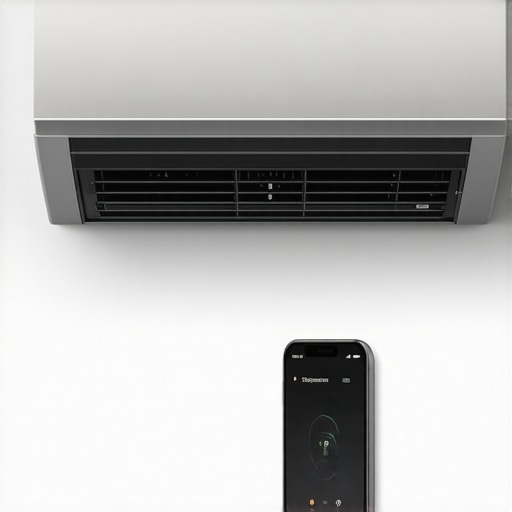
Modern smart AC units empower users with apps that enable remote control and firmware updates. For example, I utilize the app associated with my **SmartAirHome** system, which provides diagnostic alerts, filter replacement reminders, and performance analytics. Regularly updating the firmware ensures I benefit from the latest features, bug fixes, and security patches, as detailed in the [2025 Smart AC Technology Review](https://airconditioners.smartappliancereview.com/smart-ac-technology-in-2025-how-it-transforms-room-cooling). This automation prevents common issues like overcooling or excessive energy consumption. Additionally, I enable notifications for filter cleaning—an overlooked but critical aspect that maintains air quality and efficiency.
Planning for Longevity and Scalability
Looking ahead, the trend in room cooling leans toward integrating **AI-powered adaptive algorithms**. These systems analyze usage patterns and environmental sensors to dynamically adjust operation, optimizing energy and prolonging equipment life. For those managing multiple zones, I recommend the **SmartZone Controller**, which synchronizes multiple units for balanced cooling and reduces wear and tear. As the technology evolves, expect more units to incorporate predictive maintenance features—detecting issues before they become costly failures.
How do I maintain my AC units over time?
Strategic maintenance begins with scheduled inspections and deep cleaning routines, supported by specialized tools like coil cleaners and UV sterilizers. Coupling this with firmware updates and the integration of intelligent controllers prevents common breakdowns. The key is consistency: set a quarterly calendar for cleaning and software checks. For detailed guidance, I suggest exploring resources like top portable ACs for small rooms to select units that are easier to manage in terms of maintenance.
Don’t forget the power of continuous education—staying informed about emerging technologies will help you upgrade or expand your cooling setup smoothly. For example, I recently tried enabling the advanced **predictive diagnostics** in my smart system, which anticipated compressor issues days before failure, saving me hundreds in repairs. Try implementing one of these tools or tricks today, and enjoy sustainable, long-lasting comfort in your living space.
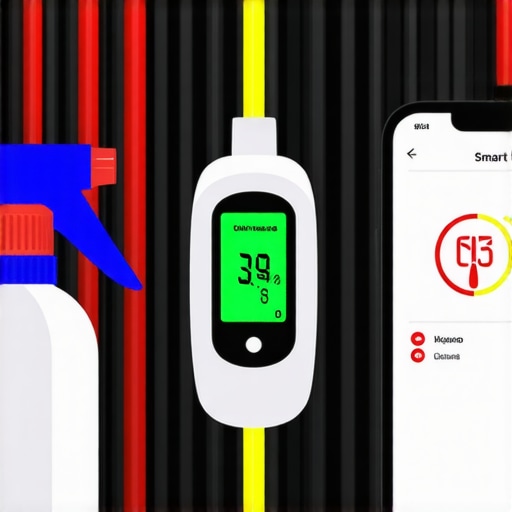
Image prompt: High-resolution close-up of HVAC coil cleaning spray, UV sterilizer, digital thermometer, and smart AC app interface displayed on a smartphone. Alt: HVAC maintenance tools and smart controls for long-term cooling efficiency. Title: Essential Tools for Reliable Room Cooling Maintenance
In my journey to mastering the art of room cooling, I stumbled upon some eye-opening lessons that transformed how I approach maintaining my comfort. One of the biggest realizations was that trusting hype without digging deeper can lead to pricey mistakes. For instance, I once thought that a smart AC would automatically optimize my energy bills, but I overlooked the importance of proper setup and routine maintenance. This lightbulb moment taught me that technology only works in tandem with informed user habits. Another lesson came from understanding that over-relying on smart features can backfire; activating every setting without understanding their impact can reduce efficiency. Simplifying my setup and focusing on essential functions made all the difference. Lastly, I learned that even the most advanced units require proactive care—neglecting filters or ignoring early signs of trouble is a recipe for discomfort and extra costs. These insights, born from personal trial and error, remind me that being an engaged owner is as vital as owning the best technology.