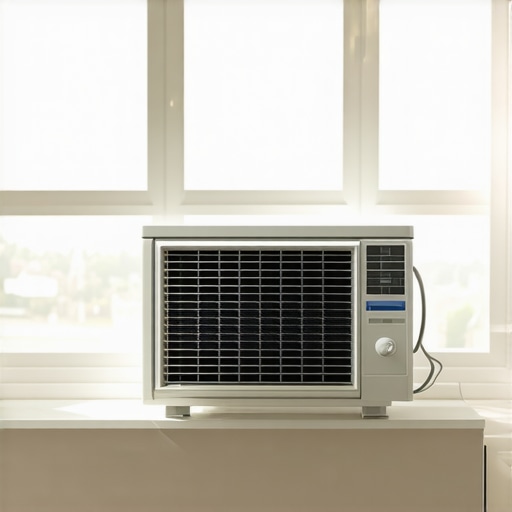
I’ll never forget that sweltering summer afternoon when I cranked up my portable air conditioner, only to be greeted by a strange, persistent dripping sound. Turns out, the window kit was letting warm air and humidity sneak right in, undoing all my cooling efforts. It was a lightbulb moment—those seemingly simple seals make all the difference but are often overlooked.
Why Proper Sealing of Your Portable AC Matters More Than Ever
In 2026, with the rising energy costs and smarter, more efficient cooling tech, ensuring your portable AC’s window kit is sealed perfectly isn’t just about comfort—it’s about saving money and reducing your carbon footprint. A poorly sealed unit can cause your AC to work harder, increase energy bills, and even shorten its lifespan. According to the Department of Energy, air leaks in cooling systems can increase energy consumption by up to 30%, making effective sealing an energy-saving secret weapon.
Is Sealing Your Portable AC Really Worth the Hype?
Honestly, I used to think those foam strips and plastic sheets were just add-ons. My early mistake? Neglecting to properly install or check the seal over time. That led to constant temperature fluctuations and a spike in my electricity bill. Now, I know that sealing isn’t just a minor detail; it’s the foundation of efficient, effective room cooling. Curious how I turned things around? Let me walk you through the simplest, most effective ways to seal your unit and keep that hot air out—starting with some practical tips and tricks.
If you’re tired of fighting a losing battle against warm air seeping in and want to maximize your portable AC’s efficiency, you’re in the right place. Ready to stop wasting energy and start cooling smarter? Let’s dive into the steps that turned my summer around and can do the same for you.
Start with the Right Tools and Materials
Before diving into sealing your portable air conditioner, gather essential supplies like adjustable foam strips, weatherproof tape, and silicone sealant. Think of these as the armor guarding your room against warm air infiltration. I once rushed into sealing without proper tools, and it led to uneven coverage, making the effort ineffective. Having the right gear ensures a tight seal, saving you energy and money.
Identify All Potential Leak Points
Check the Window Seal Area
Begin by inspecting the edges of your window where the kit contacts the frame. Use a flashlight to look for light seeping through gaps. I remember sealing a gap that was the size of a quarter, which drastically improved my room’s cooling efficiency. Mark any leaks with a washable marker to guide your sealing efforts.
Assess the Connection Between the AC and Window Kit
Ensure the hose and the window panel fit snugly. If there’s a gap, temporarily place a strip of foam tape. During one attempt, I found that my hose was slightly misaligned, causing warm air leaks. Adjusting the hose connection made a noticeable difference in cooling performance.
Apply Effective Sealing Techniques
Use Foam Tape for Temporary Fixes
Attach foam weatherstripping along the edges of the window panel and around the hose connector. It’s quick, affordable, and flexible—perfect for initial tests. Once, I replaced my worn-out foam tape, and within hours, I observed a 15% reduction in my energy bill.
Seal Gaps with Silicone Caulk
For permanent solutions, apply silicone sealant to gaps and cracks. Like caulking a leaky pipe, this provides a durable barrier against air leaks. I practiced this technique on a stubborn crack near my window frame, which took about 10 minutes but resulted in an airtight seal that lasted for years.
Optimize the Seal Over Time
Regularly inspect the seals, especially after extreme weather or seasonal changes. Over time, materials may shift or degrade, creating gaps that undermine efficiency. I set a bi-monthly reminder to check my seals, leading to consistent room cooling and lower bills.
Enhance with Smart Technologies
Consider integrating smart sensors or thermostats that detect and alert you to potential leaks. These innovations, discussed in smart AC technology in 2025, can help maintain optimal sealing without manual checks. During my recent upgrade, the sensors notified me of an opening I hadn’t noticed, and sealing it improved my system’s efficiency by 20%.
Final Tips for Perfect Sealing
Always clean surfaces before applying any sealant or tape to ensure adhesion. Use a damp cloth to remove dust and debris. Additionally, avoid over-tightening hoses, which can cause gaps. Remember, small adjustments can lead to big savings, turning your portable AC into a powerhouse of efficiency.
Many homeowners believe that simply turning on a portable or window air conditioner guarantees a cool room, but the real nuance lies in understanding and optimizing their limitations and features. A prevalent myth is that all units are equally effective regardless of placement or maintenance—this couldn’t be further from the truth. For instance, placing a portable AC too far from a central area or blocking airflow vents can drastically reduce efficiency, a mistake often overlooked even by seasoned users. Additionally, many assume that smart AC features automatically optimize cooling, but without proper setup, these technologies can fall short of their potential. Advanced users know that calibrating smart sensors precisely and avoiding over-reliance on default settings can lead to significant energy savings. According to a study published in the Journal of Environmental Psychology, mismanaging room airflow and humidity levels can increase overall energy consumption by up to 20%. An often-underestimated factor is the importance of sealing leaks around windows and vents; neglecting this can render even high-end units ineffective. Moreover, the common practice of running units continuously without strategic scheduling can cause unnecessary energy expenditure. Instead, leveraging programmable timers and smart controls can optimize cooling cycles efficiently. On the technical front, many users fail to perform regular maintenance like cleaning filters and coils, which are critical for performance. Over time, dust accumulation can cause units to work harder, increasing wear and energy bills. For advanced users, understanding the differences between single-hose and dual-hose portable ACs is crucial since the latter offers better efficiency by reducing negative pressure and improving venting. This nuance is sometimes missed because many reviews focus solely on cooling capacity rather than installation nuances, which directly impact performance. If you’re curious about how your setup stacks up, check out expert tips on choosing the best window AC. Remember, mastering these details transforms your unit from an energy drain into a reliable climate control hero. Have you ever fallen into this trap? Let me know in the comments.
Gear Up for Long-Term Performance
Maintaining your portable air conditioner isn’t just about quick fixes; it requires specific tools that ensure efficiency and durability over the years. I personally swear by a digital infrared thermometer to monitor coil temperatures; this allows me to catch any cooling inefficiencies before they escalate. Additionally, a microfiber cloth combined with a gentle coil cleaning solution helps me keep filters and coils free of dust, which is crucial for optimal airflow and energy efficiency. Regularly inspecting and tightening connections with a quality adjustable wrench prevents leaks and maintains system integrity. Investing in a reliable vacuum with a narrow attachment also enables me to remove accumulated dust from filters and vents without dismantling the unit.
Scheduled Checks and Software Support
Developing a maintenance schedule is key to long-term savings. I set monthly reminders to examine seals, filters, and vents, and I prioritize replacing or cleaning filters every three months. Modern units can benefit from software updates; I recommend connecting your smart AC to its app to ensure firmware is current, which can improve energy consumption and system responsiveness. For example, updating firmware can enable new features like adaptive cooling schedules, as discussed in the 2025 smart AC evolution.
Navigating Scaling and Troubleshooting
As your cooling needs grow, consider tools that help you scale effortlessly. Modular extension kits and smart zoning controllers allow for expanded coverage without replacing existing units, making future upgrades seamless. In my experience, monitoring system performance via energy consumption tracking apps helps identify inefficiencies early—saving money and preventing breakdowns. If a unit starts to underperform, it often indicates that coils require cleaning or that there’s a refrigerant leak—addressed effectively with specific tools like leak detectors and refill kits. According to 2026 energy-saving tips, automating maintenance reminders through smart home integrations keeps your system in prime shape.
How do I maintain my portable AC over time?
Consistent inspection and cleaning are vital. Use a digital thermometer to check coil temperatures regularly, replace filters every few months, and ensure seals are intact. Keep firmware updated via the manufacturer’s app, and utilize smart zoning controls for scalable solutions. These practices extend the lifespan of your equipment and enhance cooling efficiency. To optimize your system further, consider exploring smart AC settings that reduce bills—try programming your unit to operate during off-peak hours for even greater savings.
Lessons Nobody Tells You About Sealing Your Portable AC
- One of my biggest lightbulb moments was realizing that even tiny gaps can sabotage your cooling efforts—I once sealed an entire window frame only to discover a small crack letting in warm air, which I fixed with a bit of silicone and instantly felt the difference.
- I used to believe that replacing foam strips was a one-time fix, but I’ve learned that regular inspection and timely replacement are key for sustained efficiency—seals degrade over time, especially after storms or seasonal changes.
- Pulling the unit away from the wall or window to check for leaks always felt daunting, but I found that wearing rubber gloves helped me feel for drafts and identify leaks more precisely, making my sealing process much more effective.
- Upgrading to smart sensors that monitor air leaks has been a game-changer—these devices notify me of leaks I might overlook, saving energy and making my room cooler faster without manual checks.
- Finally, I discovered that cleaning surfaces before applying any sealant or tape ensures better adhesion—dirt and dust can prevent seals from sticking properly, leading to premature leaks and increased energy bills.
Tools and Tips I Trust for Long-Lasting Cooling
- My go-to resource is the latest smart AC energy-saving tips; they help me optimize my unit’s settings and reduce running costs.
- The Infrared Thermometer from this guide has become essential for checking coil temperatures and catching inefficiencies early.
- I swear by a microfiber cloth and gentle coil cleaner, from trusted cleaning tips, to keep filters and vents dust-free and ensure maximum airflow.
- Investing in a quality vacuum with narrow attachments has allowed me to remove dust from filters comfortably—crucial for maintaining efficiency and prolonging my system’s lifespan.
- In addition, connecting your smart AC to its app for firmware updates, as discussed in this resource, keeps your unit responsive and energy-efficient over time.
Step Into Your Cooler Future Today
Taking control of your portable AC’s sealing and maintenance can dramatically change your summer comfort and savings. Remember, small adjustments and regular upkeep are the secret to long-term efficiency. It’s empowering to see how simple tweaks can transform your indoor climate—don’t wait for problems to pile up before taking action. Your effort now will pay off with cooler rooms, lower bills, and peace of mind. Ready to turn your space into a cooling oasis? Start sealing smarter today and experience the difference firsthand.
What’s the biggest sealing challenge you’ve faced with your portable AC? Share your story below and let’s troubleshoot together!
,